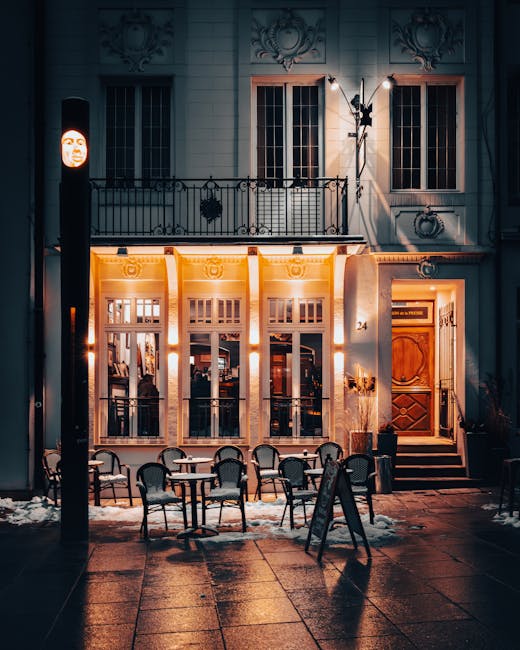





Introduction — Paris Through the Seasons: a City That Reinvents Itself
Paris is constantly changing, and each season brings a different palette of experiences: spring gardens coming back to life, the lively buzz of summer terraces, avenues carpeted with russet leaves in autumn, and the cinematic charm of winter lights and Christmas markets. Knowing what Paris offers at different times of year helps you plan richer visits, pick the best times of day, and discover spots that often get overlooked by generic guides.
This practical, detailed guide is for travellers who want to dig deeper into Paris no matter when they visit. You’ll find concrete suggestions with full place names, exact addresses, typical prices in euros, usual opening hours and handy tips to make the most of each season. Recommendations include must-see museums, walks through historic gardens, seasonal activities and local tricks to avoid crowds or find lesser-known gems.
Through the sections you’ll get immersive descriptions of each season’s atmosphere, sample itineraries for a typical day, transport tips and the best times to visit popular attractions. This guide takes a realistic approach: average prices (standard tickets, possible discounts for youth, seniors, students), common opening hours and precise addresses to help with your planning and bookings.
Paris is also a city of small details: bakeries that open early for coffee and a pastry, covered markets where you can smell spices, bridges to linger on at sunset, museums that stay open late one night a week — practical info that can turn an ordinary visit into something memorable. Finally, the guide includes local tips (which metro to take to avoid long connections, best time to photograph a place, rainy-day alternatives) and polite reminders for respecting sites (quiet hours in certain gardens, photography rules in churches, etc.).
Follow this seasonal path to feel Paris differently: floral spring, lively summer, melancholic autumn, luminous winter. Whether you’re planning a short stop or a longer stay, this guide will help you get the most out of the City of Light while respecting your pace and interests.
Spring in Paris: Flowers, Strolls and Museums at a Gentle Pace
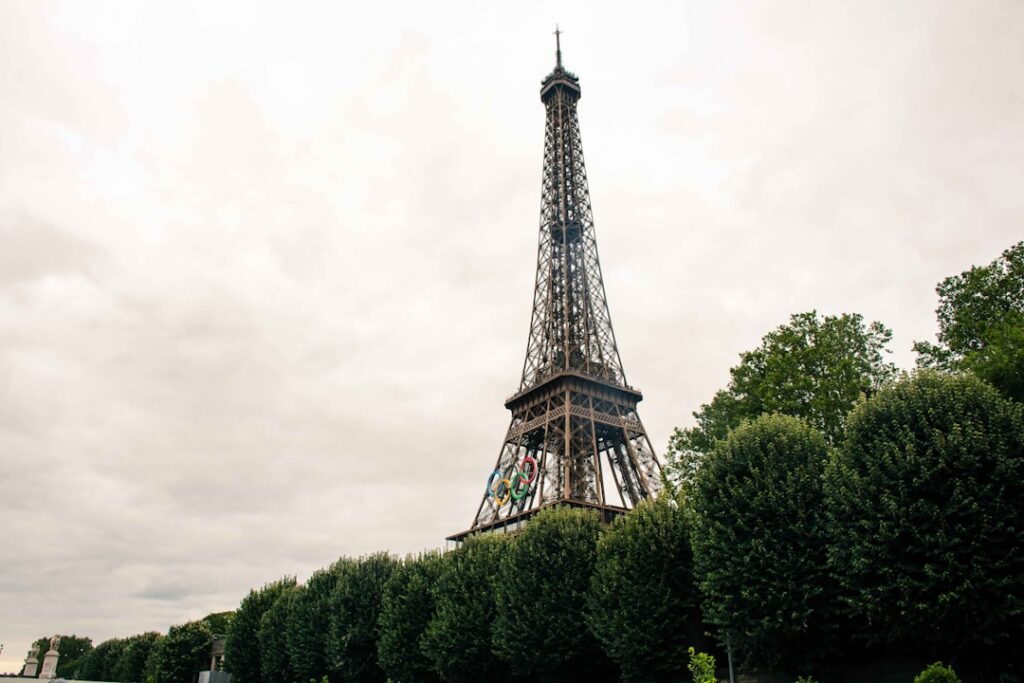
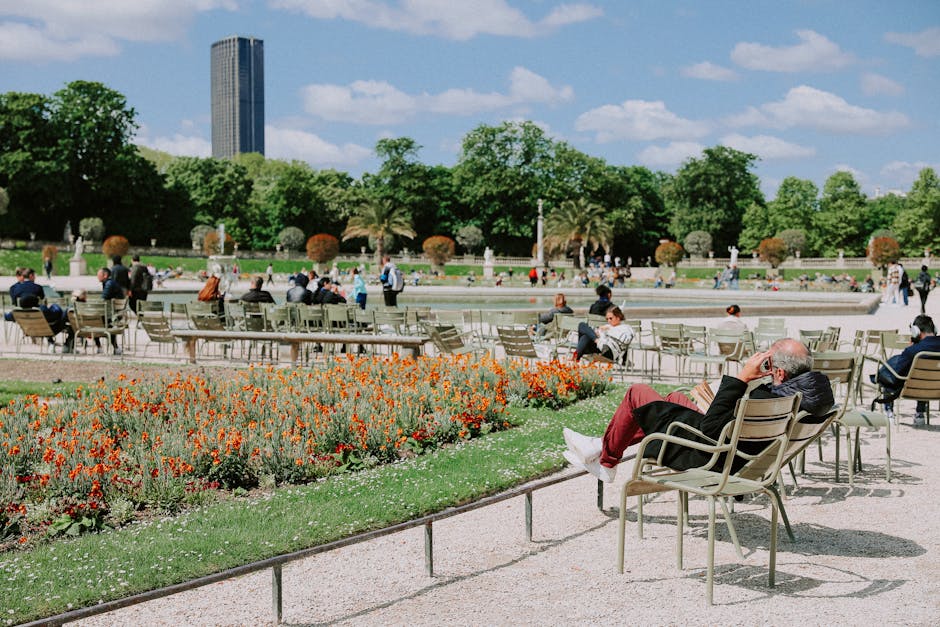
Spring (March–May) is when Paris wakes up: magnolias, cherry trees and tulips brighten the squares and locals return to lingering on terraces. Start with the Jardin du Luxembourg, an absolute must: Jardin du Luxembourg, 75006 Paris. It’s open daily with hours that change by season but typically from 07:30 to 21:30 in spring. Free entry. Walk around the Palais du Sénat, admire the flowerbeds and sit by the central pond to watch kids sailing their little wooden boats.
Another spring favourite is the Parc des Buttes-Chaumont, 1 Rue Botzaris, 75019 Paris. Usually open from 07:00 to 21:30, free entry. It’s a less touristy park with artificial cliffs, a grotto and a suspension bridge — ideal for a picnic. Local tip: go on a weekday morning for a very peaceful vibe.
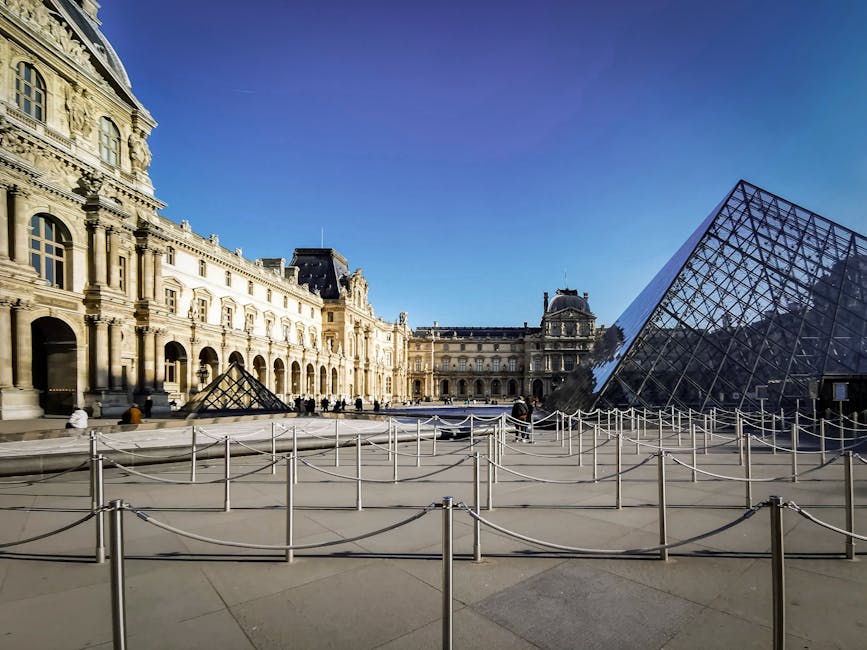
Spring is also great for museums since the milder weather often comes with extended opening hours. Visit the Musée du Louvre, Rue de Rivoli, 75001 Paris. Hours: Tuesday–Sunday 09:00–18:00, Wednesday late opening until 21:45. Standard ticket: around €17 (online purchase, varies with special exhibitions). Tip: arrive early or book online to skip the queues; start with the busiest rooms (Aphrodite, Venus de Milo, Mona Lisa) then get happily lost in the quieter wings.
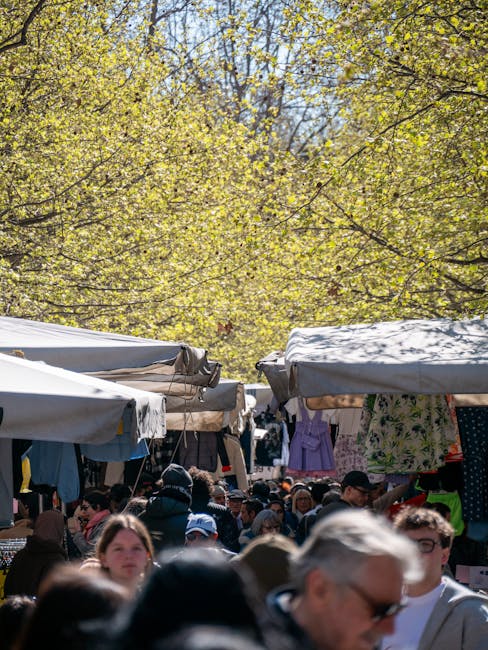
Spring also means neighbourhood markets: the Marché Bastille on Boulevard Richard Lenoir, 75011 Paris (Thursday and Sunday mornings). It’s the time to sample seasonal cheeses, breads and fruit. For a more bucolic waterside vibe, head to the canal — the barges on the Canal Saint-Martin offer strolls and cafés: walk along Quai de Valmy and stop at one of the many terraces.
Practical tips: bring a light waterproof jacket because spring showers are common; favour biking or walking to enjoy the parks; buy museum tickets online for the big sights and book popular restaurants for dinner.
Summer in Paris: Terraces, Festivals and Nighttime Strolls
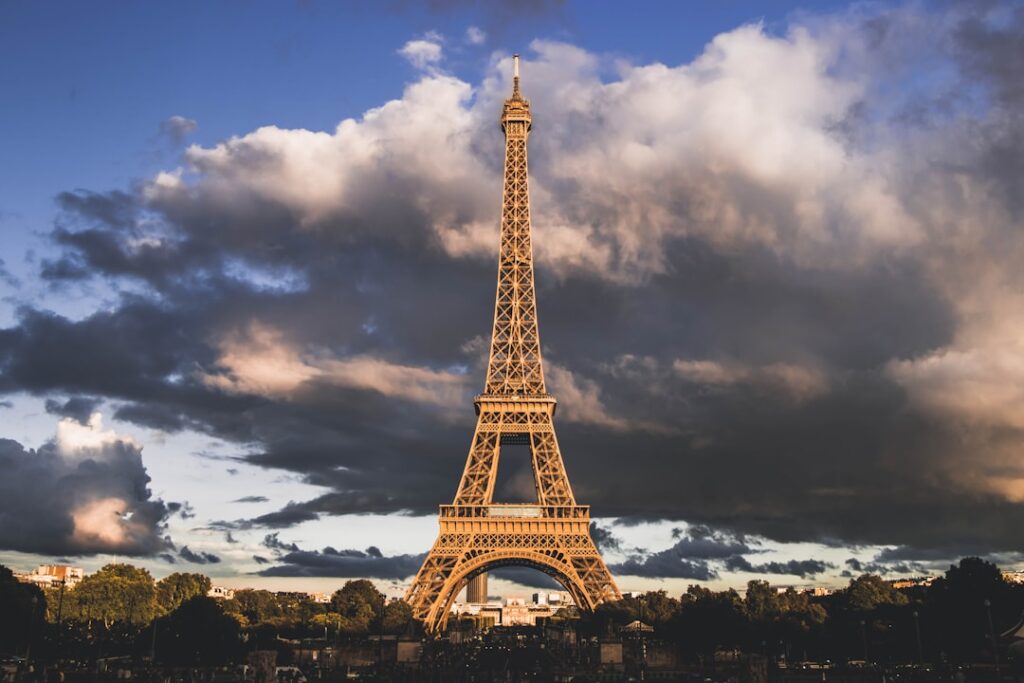
Summer (June–August) turns Paris into one big outdoor living room. Terraces spill out onto sidewalks, music festivals pop up across the city and the Seine banks buzz with people. For an iconic view, the Eiffel Tower — Champ de Mars, 5 Avenue Anatole France, 75007 Paris is a must. Hours: generally 09:00–00:45 (varies by period). Indicative prices: 2nd floor by elevator around €19.70, summit by elevator around €29.20 (prices may change). Tip: book an evening slot to watch the hourly sparkle (five minutes every hour after nightfall).
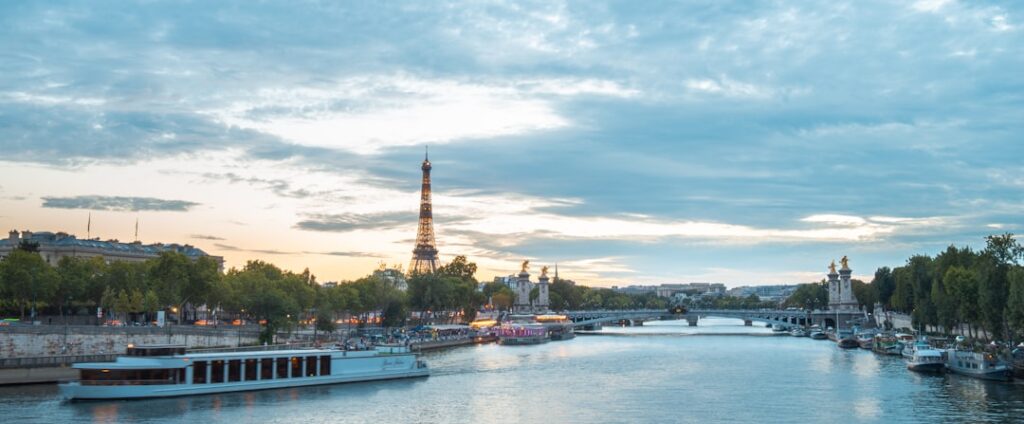
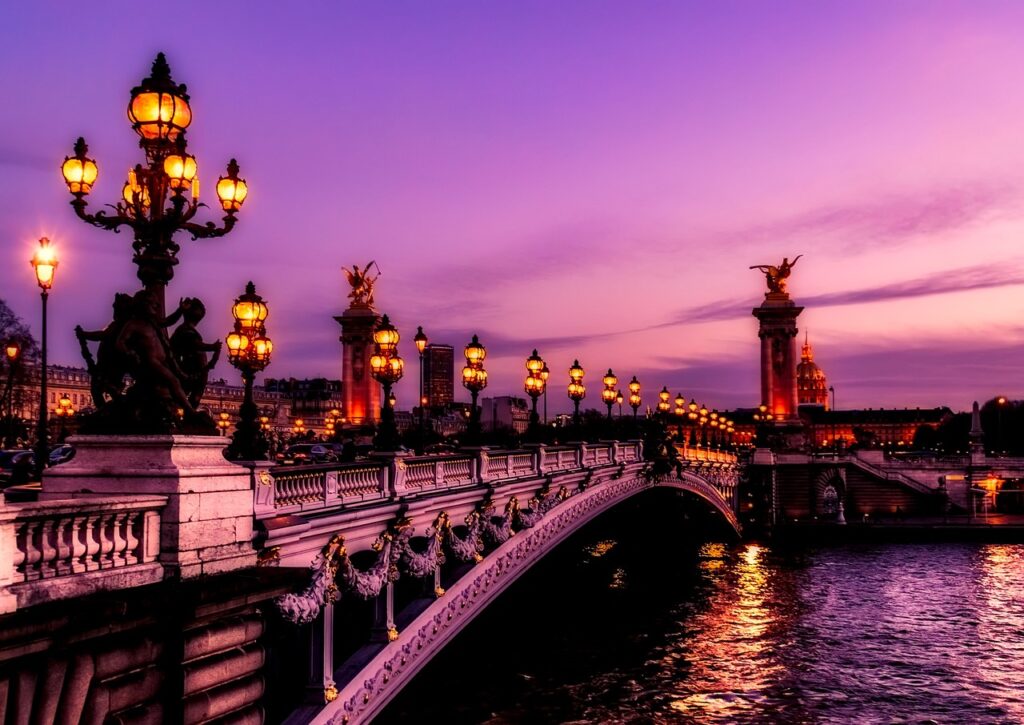
If you want to escape the crowds, head to the Seine banks. River cruises are very popular: Bateaux Mouches, Port de la Conférence, 75008 Paris. Daily departures, hours vary (often 10:00–22:00), standard cruise fare about €17–18 for a one-hour tour. Tip: choose a sunset cruise for dramatic photos.
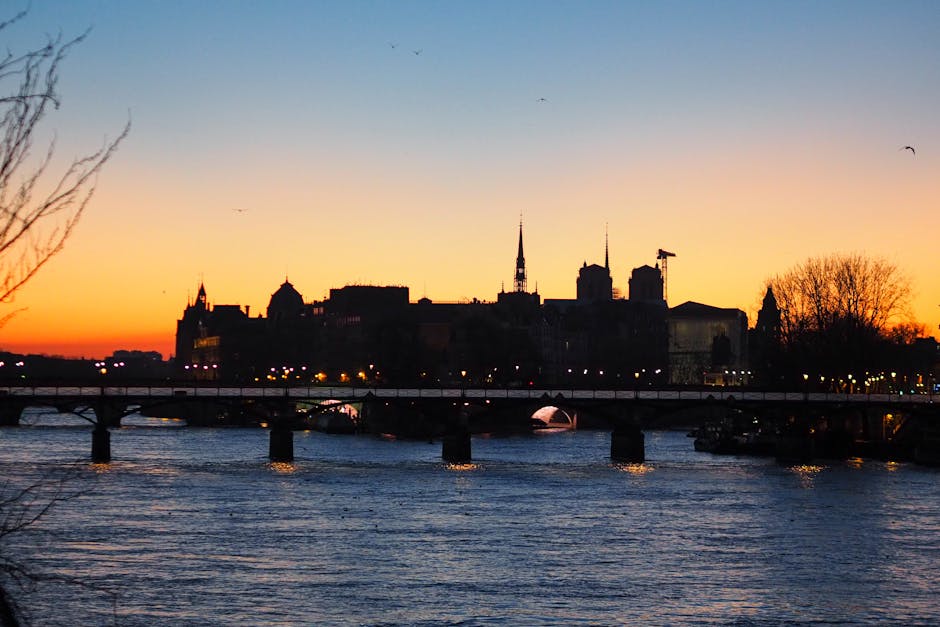
Festivals animate the summer: Festival Paris Quartier d’Été (dates vary, urban shows), Fête de la Musique (June 21, free concerts everywhere), and Paris Plages (temporary urban beaches, usually July–August). Paris Plages installs deckchairs and activities along the right bank (Quai de Seine, 75008/75004 depending on the stretch). Free and open daily during the announced period.
For a cool break, explore rooftop gardens and terraces: Galeries Lafayette Rooftop — 40 Boulevard Haussmann, 75009 Paris offers a panoramic view. Hours align with the store (usually 10:00–20:00) and access is often free through the department store.
Local tips: stay hydrated, avoid the hottest hours (14:00–17:00), take advantage of late-night museum openings (some museums stay open late during summer nights), and book restaurants and cruises in advance. Also explore night markets and riverside guinguettes along the Marne for a less touristy summer vibe.
Autumn in Paris: Golden Leaves, Museums and Cozy Cafés
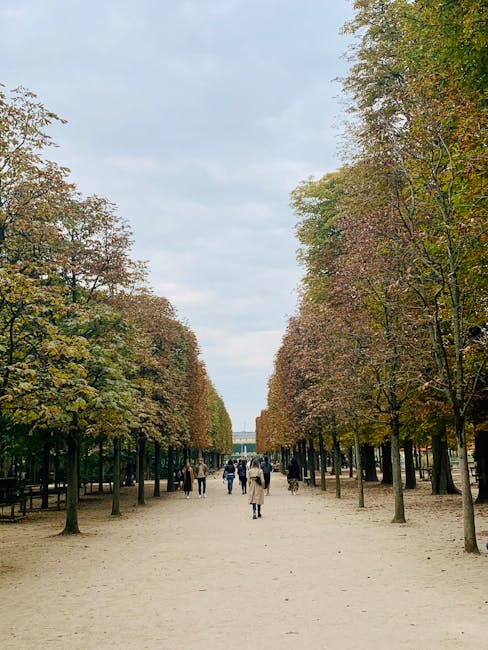
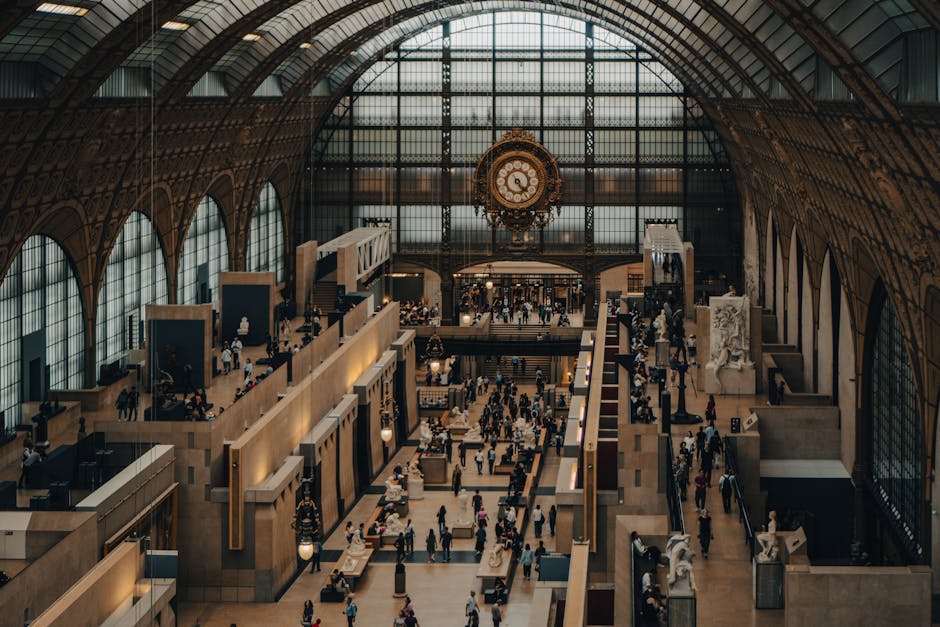
Autumn (September–November) brings warm colours and a snug café atmosphere. The trees on the Champs-Élysées and in the Jardin des Tuileries turn gold and red, creating perfect photo and strolling conditions. Start at the Musée d’Orsay, 1 Rue de la Légion d’Honneur, 75007 Paris. Hours: Tuesday–Sunday 09:30–18:00, late opening Thursday until 21:45. Indicative price: around €16. The former railway station has an intimate feel, especially in autumn when the softer light flatters the Impressionists.
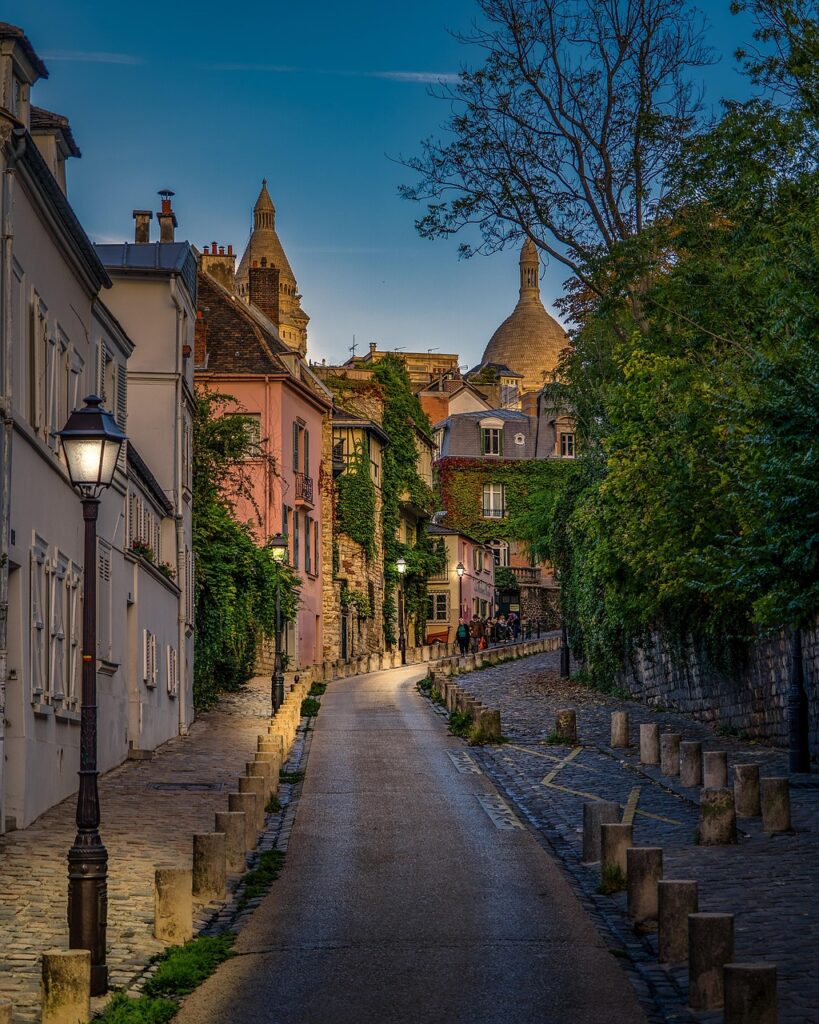
Head up to Montmartre — Place du Tertre and the Basilique du Sacré-Cœur, 35 Rue du Chevalier de la Barre, 75018 Paris — for a contrasting experience: cobbled lanes, artist studios and wide city views. The basilica is usually open from 06:00 to 22:30 (hours may vary), free entry to the church (dome climb charged at around €8–10). Tip: in autumn, aim for sunset to capture warm colours and fewer tourists than in summer.
For an autumnal food break, visit the Marché couvert des Enfants Rouges, 39 Rue de Bretagne, 75003 Paris. Open Tuesday–Sunday, hours vary (often 08:00–20:00). It’s Paris’s oldest covered market, ideal for tasting seasonal dishes, cheeses and pastries. Nearby Marais cafés invite you to linger indoors, protected from light drizzle.
Museums and theatres ramp up their schedules: book temporary exhibitions at the Centre Pompidou, Place Georges-Pompidou, 75004 Paris (generally open 11:00–21:00, closed Tuesdays, indicative price €14). Heated cafés become sanctuaries for working or reading. Local tip: choose an indoor table rather than the terrace to enjoy the cosy October–November ambiance.
Late autumn sees gastronomic events (wine fairs, truffle festivals) and seasonal sales on the Right Bank. Carry an umbrella and a windbreaker — showers are often brief but frequent.
Winter in Paris: Lights, Christmas Markets and Museums to Keep You Warm
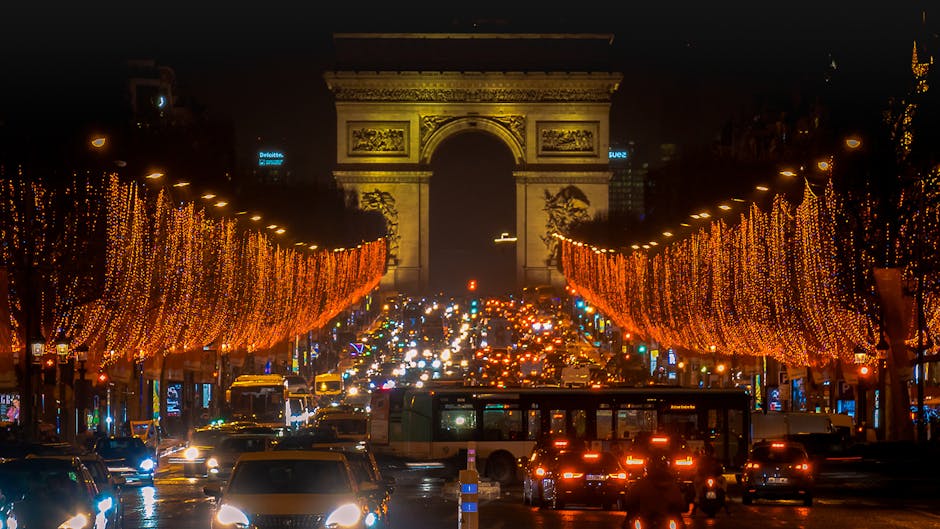
Winter (December–February) in Paris means festive lights, Christmas markets and an almost cinematic atmosphere. Don’t miss the Avenue des Champs-Élysées, 75008 Paris for its illuminations (usually late November to early January). Walk there at night to see the lit shop windows and decorations, and stop for a hot chocolate in a tea salon. The display windows at Galeries Lafayette, 40 Boulevard Haussmann, 75009 Paris and Le Printemps Haussmann, 64 Boulevard Haussmann, 75009 Paris are famous for their Christmas decorations; store hours are generally 10:00–20:00.
Christmas markets light up various neighbourhoods: the La Défense Christmas Market (Parvis de La Défense, 92400 Courbevoie) runs from late November to the end of December — a big fair with chalets, crafts and food, typically open 11:00–21:00. More intimate, the Notre-Dame Christmas Village (on the left-bank quays depending on annual setup) offers stalls and decorations around Île de la Cité.
Winter activities include ice skating at City Hall (Place de l’Hôtel de Ville, 75004 Paris) when the rink is set up (dates and hours vary; approximate skate rental cost €5–7). Museums are perfect for warming up: Musée Rodin, 79 Rue de Varenne, 75007 Paris (usually open 10:00–18:30, indicative price €13). The museum garden, sometimes dusted with frost, is especially poetic in winter.
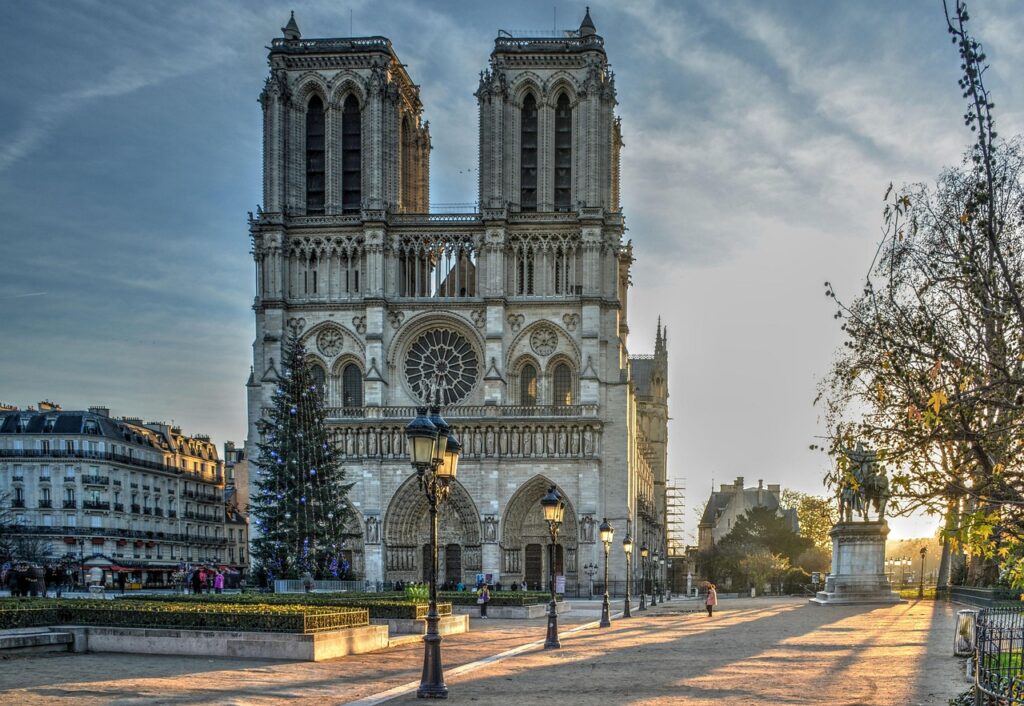
Practical tips: dress in warm layers (gloves, hat, scarf), since temperatures can fall below 0 °C at night. Take advantage of museum late openings and book restaurants well in advance for Christmas Eve or New Year’s Eve if you plan a festive dinner. For winter views without the crowds, try the Panthéon, Place du Panthéon, 75005 Paris (hours 10:00–18:30 depending on season, indicative price €11) or the terrace at the Institut du Monde Arabe, 1 Rue des Fossés Saint-Bernard, 75005 Paris, which offers a view of Notre-Dame.
Conclusion — Tailor Your Trip to the Season for a Fuller Experience
Each season shows a different side of Paris. Spring invites you to garden strolls and first café terraces; summer turns the city into a festive stage, perfect for Seine cruises and festivals; autumn brings golden light ideal for museums and walks in historic neighbourhoods; and winter makes the city magical with its lights and Christmas markets. Planning your trip according to the season lets you take advantage of extended opening hours, seasonal events and the moods specific to each period.
Practically speaking, book early for high-demand attractions (Eiffel Tower, major museums, cruises), check seasonal opening hours on official sites, and dress for the weather: waterproof jacket and sturdy shoes in spring and autumn, light clothing and sun protection in summer, warm layers in winter. Use public transport (metro, RER, buses) to get around efficiently, and don’t hesitate to walk between two sights to soak up the neighbourhood atmosphere.
Finally, leave room for the unexpected: a neighbourhood market, a tiny café with fresh pastries, a temporary exhibition found by chance. Those unplanned moments often make a Paris trip unforgettable. This guide gives you precise starting points (addresses, usual hours, indicative prices), but the best way to enjoy Paris is to come back in different seasons and taste all its nuances. Safe travels and enjoy discovering Paris, whichever season you choose.