




Introduction: Preparing for a 3-Day Weekend in Paris
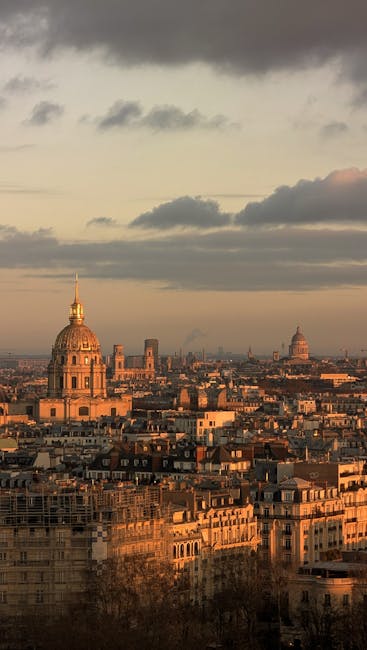
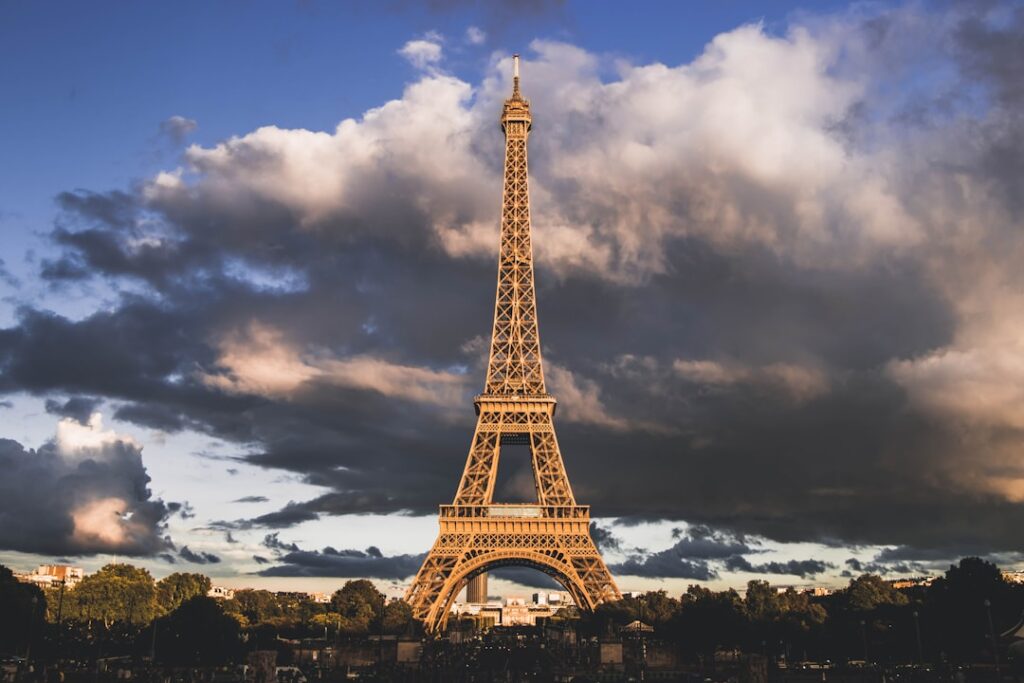
A 3-day weekend in Paris strikes the perfect balance between cultural immersion, leisurely culinary strolls and architectural discoveries. The French capital is packed with iconic landmarks, world-famous museums, charming neighborhoods and parks ideal for relaxing. This practical, detailed guide lays out a route to see the highlights in 72 hours, with exact addresses, practical info (opening hours, prices in euros), immersive descriptions and local tips to save time and make the most of every moment.
Paris is best explored on foot as well as by public transport. Distances between top sights are often short, but traffic and queues can throw off your schedule — so it’s recommended to book certain visits in advance (like the Eiffel Tower or the Louvre). We’ve organized a day-by-day itinerary to minimize unnecessary travel and maximize your experience: morning monuments to beat the crowds, coffee breaks in typical Parisian cafés, lunches in classic brasseries or neighborhood bistros, and evenings at iconic viewpoints to catch the sunset.
This guide isn’t only for tourists: it also includes practical recommendations (opening hours, indicative prices in euros, exact addresses), local tips (best times to visit, lesser-known alternatives to crowded attractions), and tasty suggestions to sample French cuisine — from bakery sandwiches to refined desserts. Each stop is described in detail so you can picture the experience: the smell of morning coffee, the view from a lookout, the clack of the metro, the crisp bite of a fresh baguette. Finally, tips to avoid common traps (fake guides, overly long lines, touristy restaurants) are included so your weekend runs smoothly and stays memorable.
Before you go, check hours and availability online, especially for the Eiffel Tower and the Louvre, as prices and time slots change by season. Wear comfortable shoes, bring a small reusable water bottle, and leave room to improvise: the best discoveries in Paris often happen off-script. Whether it’s your first time or you’re a frequent visitor, this three-day route is designed to give a well-balanced overview of Paris’s essentials.
Day 1: Classics and Views — Eiffel Tower, Trocadéro, Seine and Musée d’Orsay
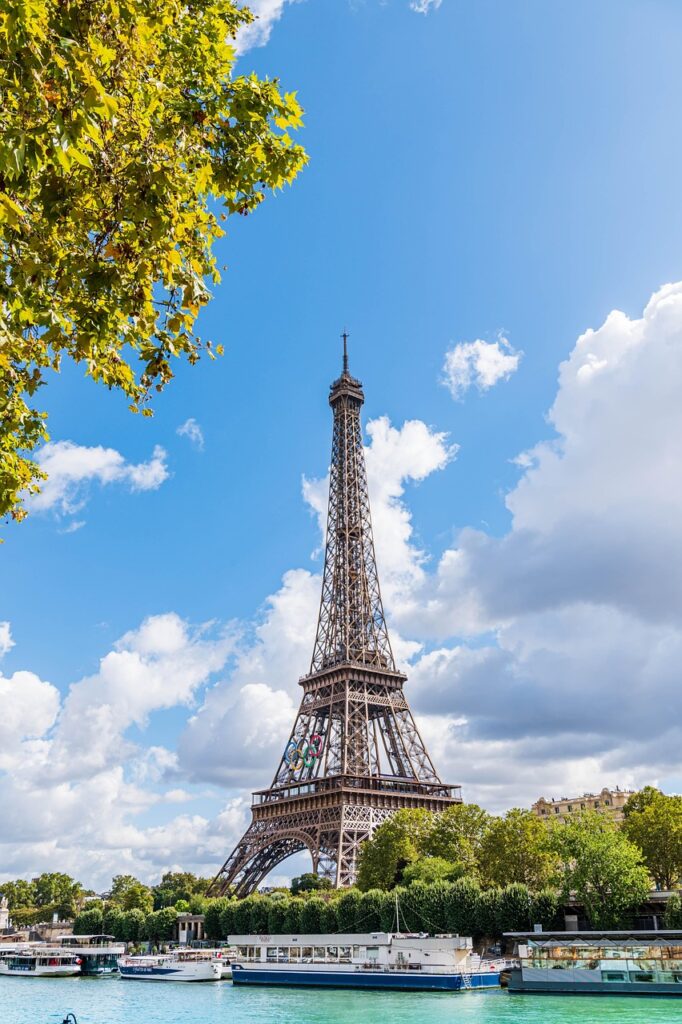
Start your weekend with the must-see symbol: the Eiffel Tower. Exact address: Champ de Mars, 5 Avenue Anatole France, 75007 Paris. Typical opening hours: 09:30–23:45 (hours vary by season, last access usually 45 minutes before closing). Indicative prices (2024): elevator access to levels 1 & 2 ≈ €19.50 adult, summit access ≈ €29.50 adult; stairs to the 2nd floor ≈ €10.70 adult. Book skip-the-line tickets online via the official site to save time. From the ascent, the view over the Seine, Haussmann rooftops and the grand boulevards is striking — the panorama gives you a concrete sense of orientation for the rest of your stay.
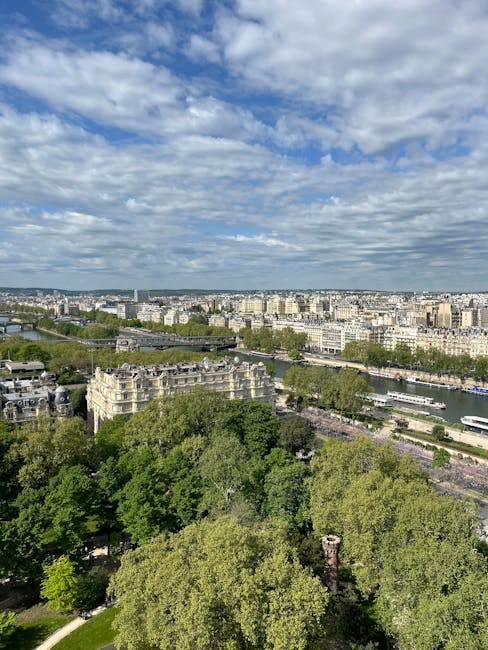
After coming down, cross the Champ de Mars toward the Trocadéro. Place du Trocadéro and the Trocadéro Gardens, 75016 Paris — a prime photo viewpoint of the Eiffel Tower with reflecting pools. It’s an excellent spot for morning shots before large tour groups arrive. From there, follow the Seine on foot or hop on a bateaux-mouches for a one-hour river cruise; frequent boarding points at Port de la Bourdonnais (near the Eiffel Tower) — prices vary, ~€15–20 for a standard guided cruise.
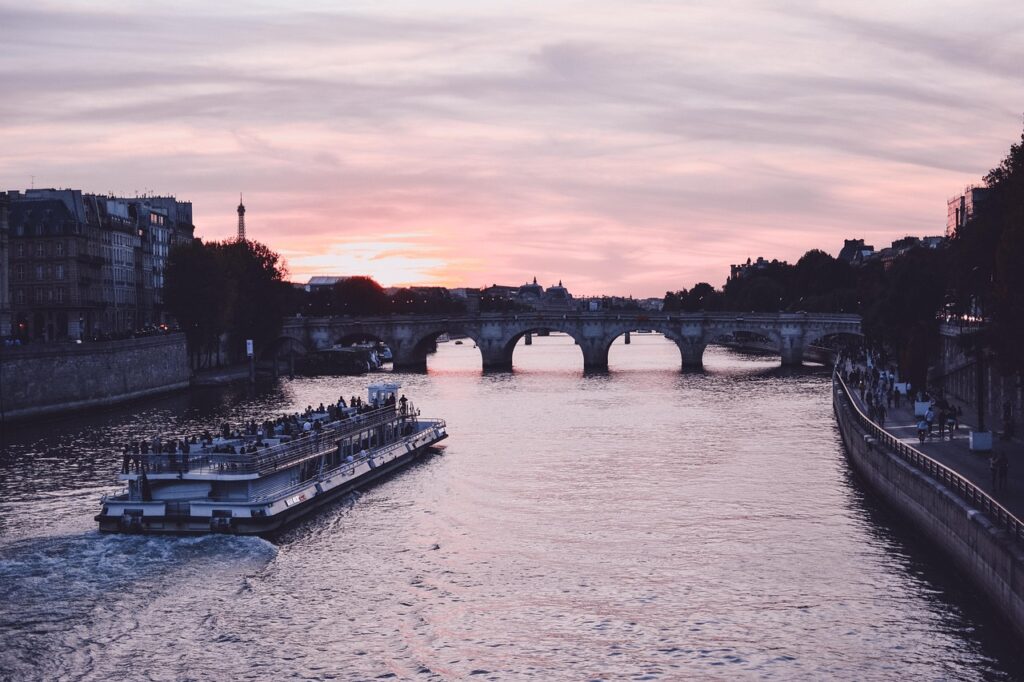
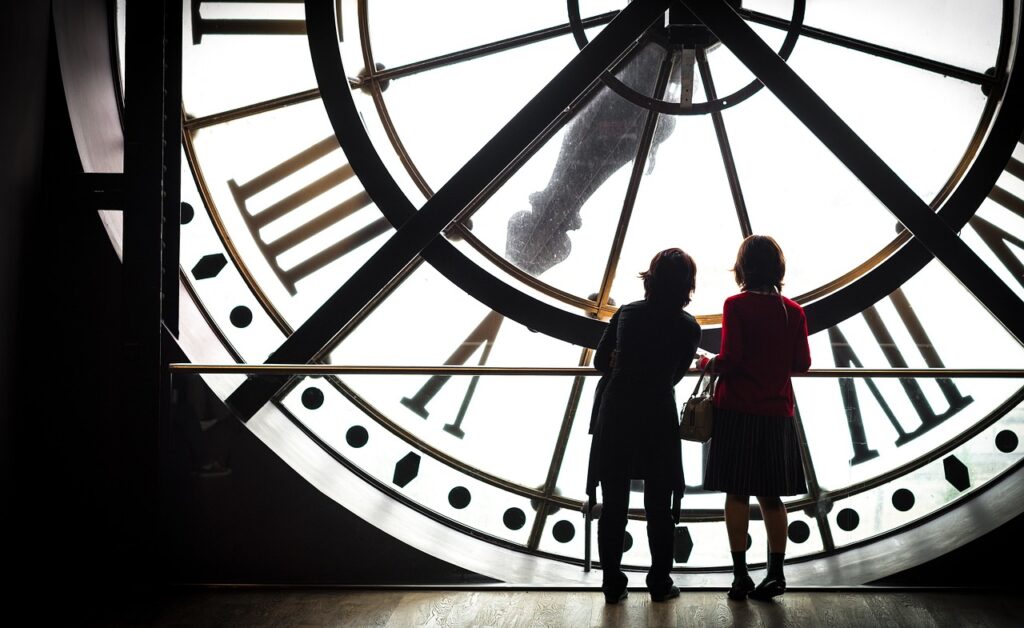
In the afternoon, head to the Musée d’Orsay, housed in the former Gare d’Orsay: address 1 Rue de la Légion d’Honneur, 75007 Paris. Hours: Tuesday–Sunday 09:30–18:00, late opening on Thursday until 21:45, closed Monday. Indicative price: €16 adults (reductions and free entry depending on age and conditions). The Impressionist collection (Monet, Renoir, Degas, Van Gogh) is magnificent, and the clock room offers a photogenic view of the Seine and the Louvre. Plan your visit by priority (Impressionist paintings, late 19th–early 20th-century sculpture) to make the most of your time.
Finish the day with a stroll along the quays of the Seine toward the Louvre or enjoy dinner in a brasserie in the 7th arrondissement. Local suggestions: Brasserie L’Alsace (40 Avenue des Champs-Élysées for a livelier alternative), or Les Cocottes – Christian Constant, 135 Rue Saint-Dominique, 75007 Paris, for bistronomic cuisine. Tip: to save time in the evening, check if some museums have late openings (Musée d’Orsay on Thursdays).
Day 2: Art and History — The Louvre, Île de la Cité, Sainte-Chapelle, Notre-Dame
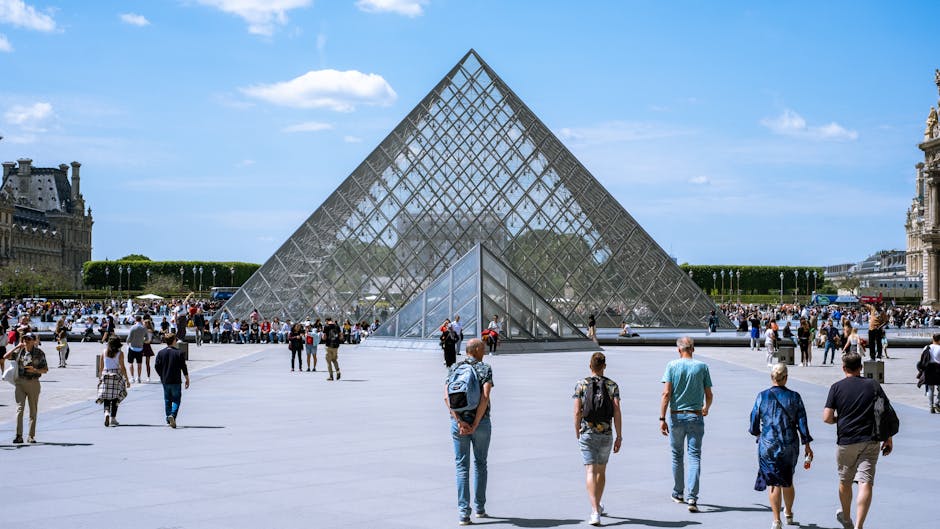
The second day focuses on Paris’s historical and artistic core. Start early at the Louvre Museum: exact address Musée du Louvre, Rue de Rivoli, 75001 Paris. Hours: open every day except Tuesday, 09:00–18:00, late openings on Wednesday and Friday until 21:45 (hours may vary). Indicative price: €17 for a skip-the-line ticket booked online. The Louvre is vast — to be efficient, pick 3–4 must-sees (e.g. the Mona Lisa, the Venus de Milo, The Raft of the Medusa, the Napoleon III apartments). Use the map to avoid backtracking; the Denon wing is often the busiest.
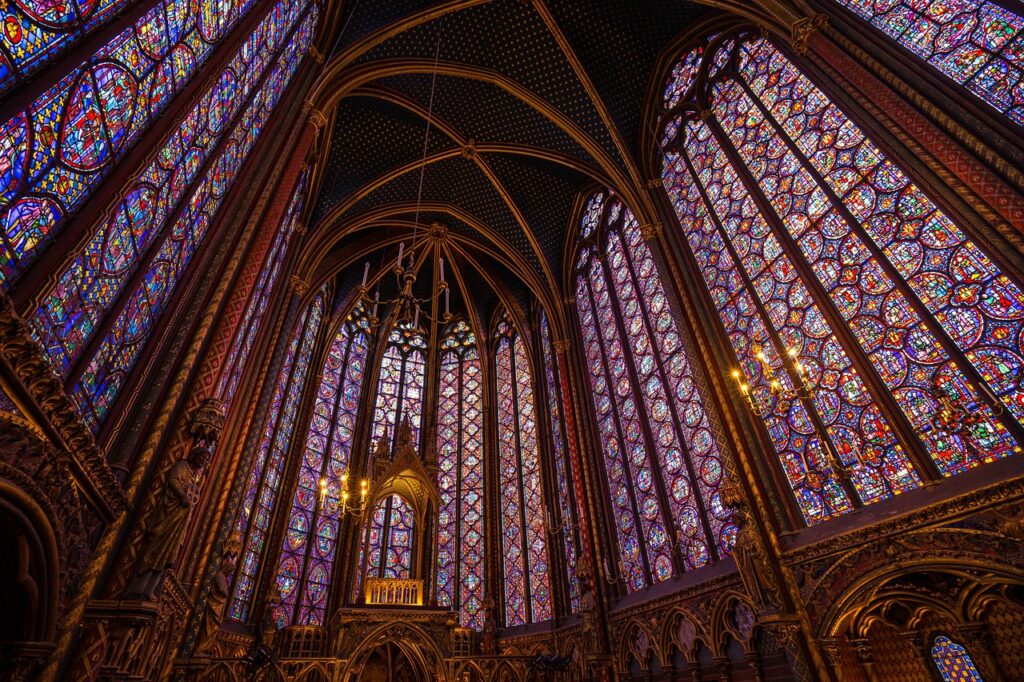
After your visit, cross the Seine to Île de la Cité. Walk across the Pont Neuf and head for Sainte-Chapelle: exact address Sainte-Chapelle, 10 Boulevard du Palais, 75001 Paris. Hours: generally 09:00–17:00 (times vary by season), closed on certain public holidays; indicative price: €11.50 adult. Sainte-Chapelle’s stained glass windows are a masterpiece of Rayonnant Gothic: the vertical and horizontal panels create exceptional luminosity, especially when the sun hits the colored panes. Allow a quiet moment of contemplation — the effect is heightened when it’s peaceful and quiet.
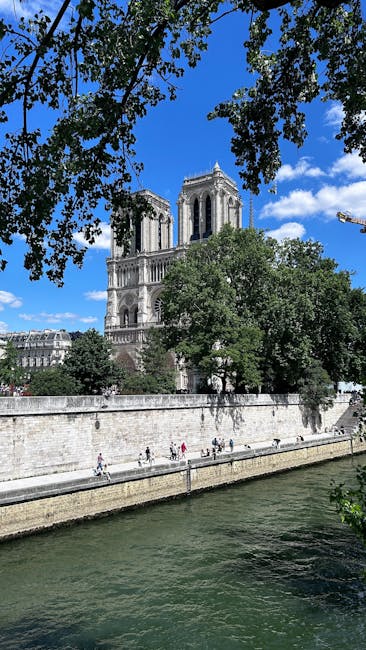
Across from Sainte-Chapelle, Notre-Dame de Paris (Île de la Cité) remains a symbol. Address: Notre-Dame de Paris, 6 Parvis Notre-Dame – Pl. Jean-Paul II, 75004 Paris. Practical note: since the 2019 fire, interior access may be limited due to restoration work; however the façade, the parvis and the exterior views are still essential. Check current access conditions on the official site or at the Tourist Office (25 Rue des Pyramides, 75001 Paris) before you go.
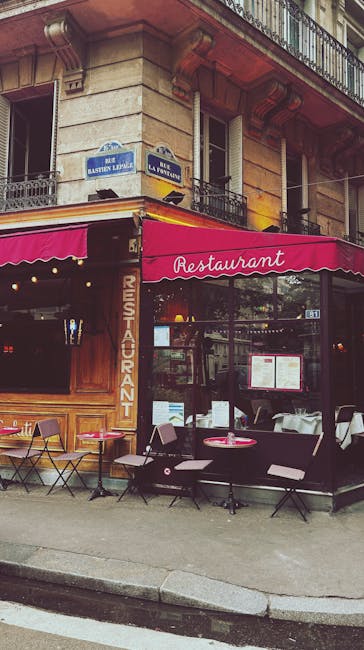
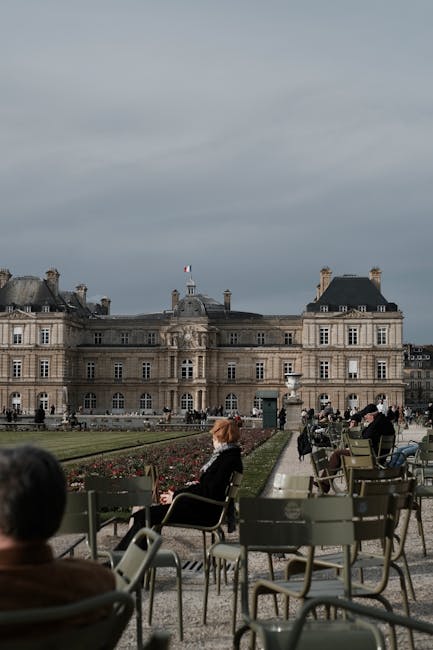
For lunch, favor one of the historic cafés in the Latin Quarter: Le Procope (13 Rue de l’Ancienne Comédie, 75006 Paris), founded in 1686, offers a historic experience though it can be touristy; lunch à la carte ~€20–35. In the afternoon, wander through the Latin Quarter and the Luxembourg Gardens (Jardin du Luxembourg, 75006 Paris — open 07:30–21:30 depending on season). The garden is perfect for a reading break or relaxing by the central pond, and the shaded paths offer a pleasant contrast to the tourist bustle.
End the day with a stroll along Boulevard Saint-Germain or a sunset cruise on the Seine if you didn’t do it the day before. Local tip: avoid restaurants right next to major monuments if you want better value; look instead for parallel streets or small squares frequented by locals.
Day 3: Montmartre, Opéra, Champs-Élysées and the Arc de Triomphe
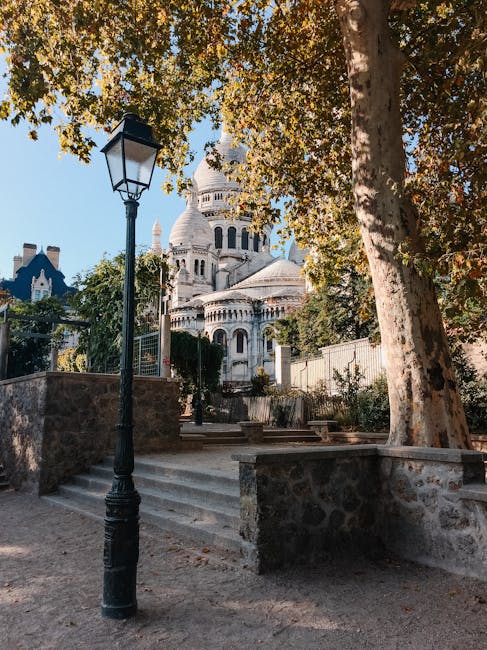
The third day highlights Montmartre’s bohemian vibe and the grand Haussmann avenues. Head up to Montmartre in the morning to beat the crowds. Key monument: Basilica of the Sacré-Cœur, 35 Rue du Chevalier de la Barre, 75018 Paris. Hours: basilica open daily 06:00–22:30; access to the dome is often ticketed (indicative price for the dome ≈ €7 adult). The stairs or the funicular (Funiculaire de Montmartre — Station: Funiculaire du Sacré-Cœur, Rue Tardieu, 75018 Paris) will take you to the top, where the view over Paris is highly photogenic. Then wander through Place du Tertre, famous for its artists and portraits, and explore the cobbled lanes steeped in history.
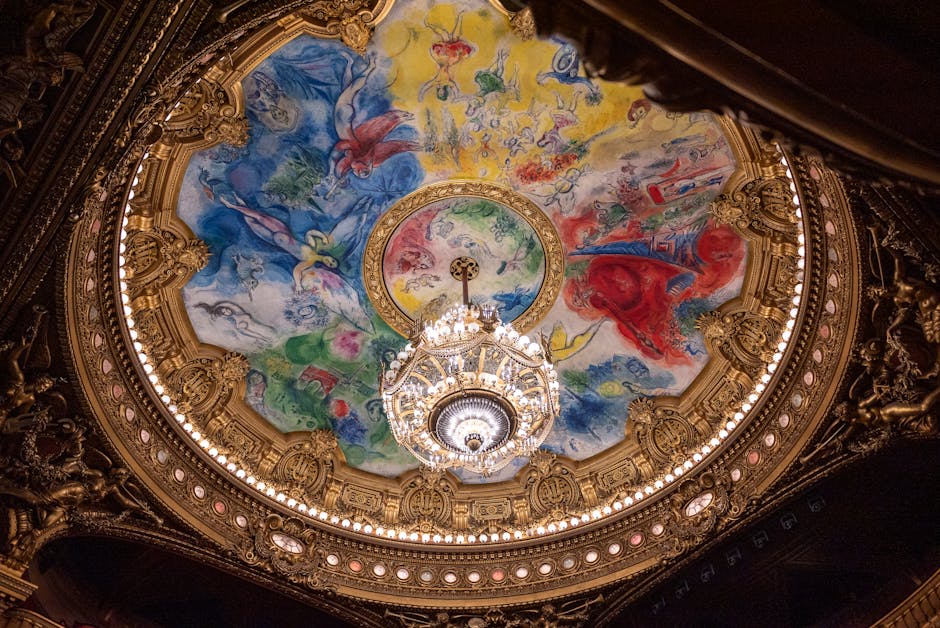
For a classic lunch, try a Montmartre bistro like Le Consulat (18 Rue Norvins, 75018 Paris) or La Maison Rose (2 Rue de l’Abreuvoir, 75018 Paris): dishes ~€15–25. After Montmartre, head down toward the Opéra Garnier: address Palais Garnier, Place de l’Opéra, 75009 Paris. Interior visiting hours: generally 10:00–17:00 (times vary by season), indicative guided visit price €14 adult. The grand staircase, the ceiling painted by Marc Chagall and the gilded decorations perfectly showcase the opulence of the Second Empire.
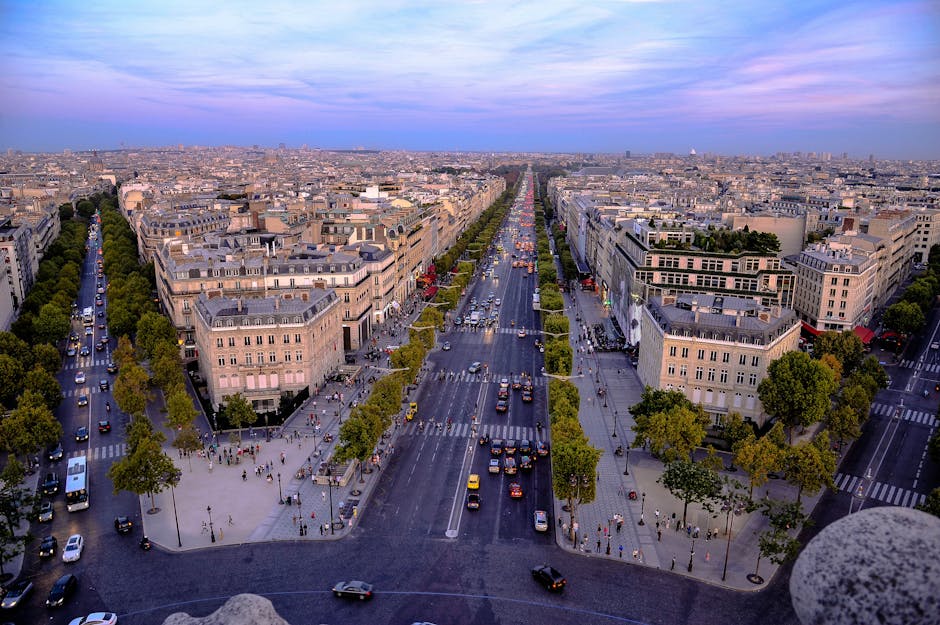
Next, make your way to the Champs-Élysées for a walk along the world’s most famous avenue. Boulevard des Champs-Élysées, 75008 Paris — international shops, cafés and theaters. It’s probably one of the busiest shopping stretches; expect high prices in tourist-oriented stores. In the evening, wrap up your stay with a climb to the top of the Arc de Triomphe: address Arc de Triomphe, Place Charles de Gaulle, 75008 Paris. Hours: generally 10:00–23:00 (times vary), indicative price: €13 adult. From the summit, the radial view of the 12 avenues is spectacular, especially at sunset when the city lights begin to reveal themselves.
Practical tips for the day: buy tickets online for the Arc de Triomphe and the Opéra when possible to avoid lines. Plan a walking route that descends from Montmartre toward the 9th and 8th arrondissements to enjoy the architectural transitions and schedule coffee breaks. If you have spare time, explore the covered passages in the 2nd arrondissement (Galerie Vivienne, 4 Rue des Petits Champs, 75002 Paris) for a more intimate, historic shopping experience.
Practical Tips, Transport, Budget and Local Advice
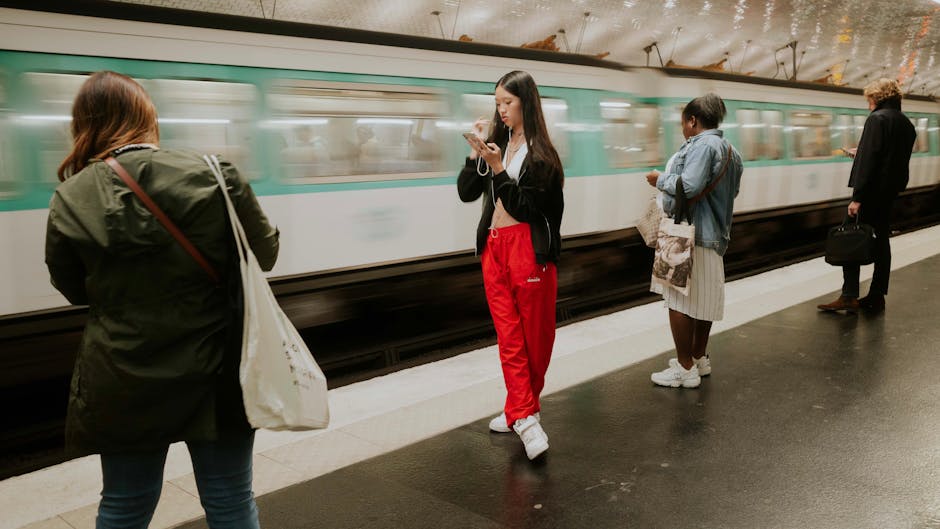
Transport: the Paris metro network is dense and efficient. Buy a carnet of 10 T+ tickets (zone 1) at a metro station for about €18.90 (indicative price). For a 3-day stay, the Navigo Week pass can be interesting if you arrive on a Monday (Navigo week zones 1–5 ≈ €30 + reusable card; Navigo is valid Monday through Sunday). Taxis and ride-hailing services (Uber, Bolt) are available but often slower during peak hours due to traffic. The electric public bikes (Vélib’) are a pleasant option for short distances: day subscriptions ≈ €5–8 depending on the plan.
Approximate budget for 3 days (per person):
– Accommodation: hostel €30–60 / night, 3-star hotel €100–180 / night, 4-star hotel €180–350 / night.
– Food: bakery breakfast €5–8, bistro lunch €15–30, dinner €25–60 depending on the restaurant.
– Museum/site entries: Eiffel Tower €10–30, Louvre €17, Musée d’Orsay €16, Sainte-Chapelle €11.50, Arc de Triomphe €13.
– Local transport: carnet of 10 tickets ≈ €18.90, or Navigo week ≈ €30 if applicable.
Local tips:
– Reservations: for the Eiffel Tower, the Louvre and some popular restaurants, book online in advance. Morning or late-afternoon time slots reduce crowding.
– Safety: as in all big cities, watch out for pickpockets, especially on the metro and around tourist hotspots like the Sacré-Cœur and the Louvre. Keep your belongings close to your body.
– Opening hours: museums often close one day a week (e.g. the Louvre is closed on Tuesdays), so check opening days before planning your route. Shops typically close around 20:00–21:00, except in very touristy areas.
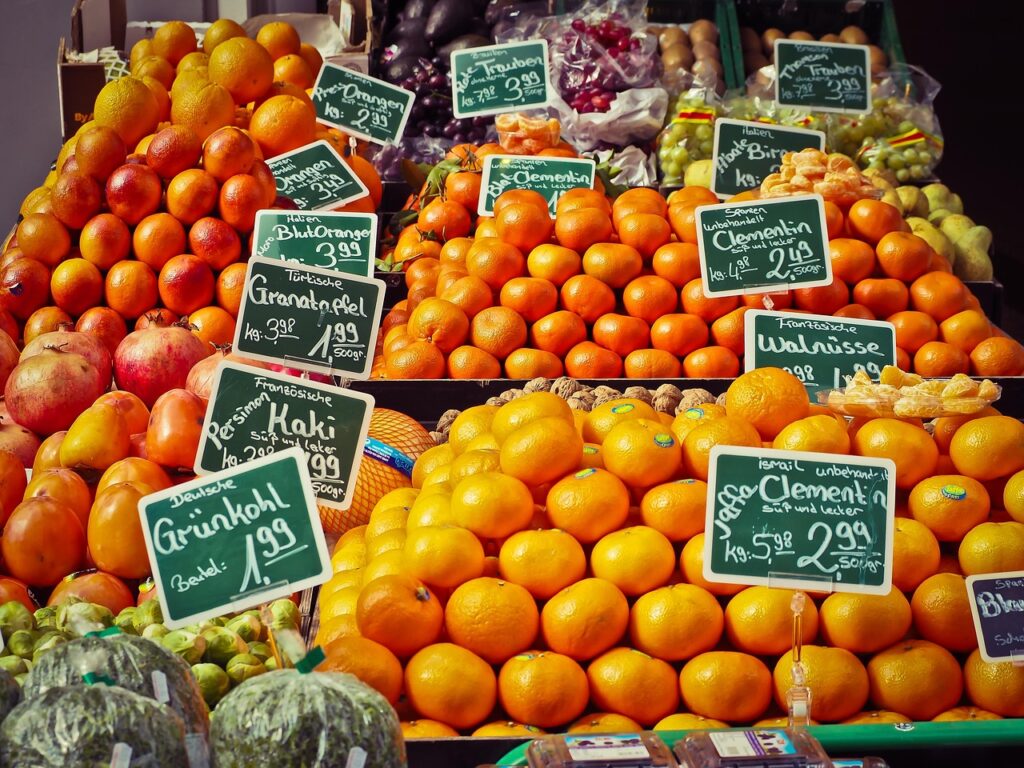
– Food: avoid overly enticing menus right next to monuments; look for places locals frequent for better value. Food markets (Marché d’Aligre, Place d’Aligre, 6 Rue d’Aligre, 75012 Paris) and neighborhood bakeries offer delicious, affordable options.
Accessibility and comfort: many monuments have access for people with reduced mobility, but some historic sites have steep stairs (Montmartre, Arc de Triomphe). Check for welcome services and lifts on official site pages. Wear comfortable shoes: cobblestones, stairs and long walks are common. Pack a light jacket even in summer for cool evenings along the Seine.
Conclusion: Make the Most of Your 3-Day Paris Weekend
In three days in Paris you can see the highlights without unnecessary rushing if you plan smartly. This guide balances must-see monuments (Eiffel Tower, Louvre, Notre-Dame/Sainte-Chapelle), picturesque neighborhoods (Montmartre, Latin Quarter), walks along the Seine, and culinary stops in typically Parisian spots. By combining advance bookings (especially for the Eiffel Tower and the Louvre), strategic use of the metro and moments off the beaten path, you’ll optimize your time and savor the city’s unique atmosphere.
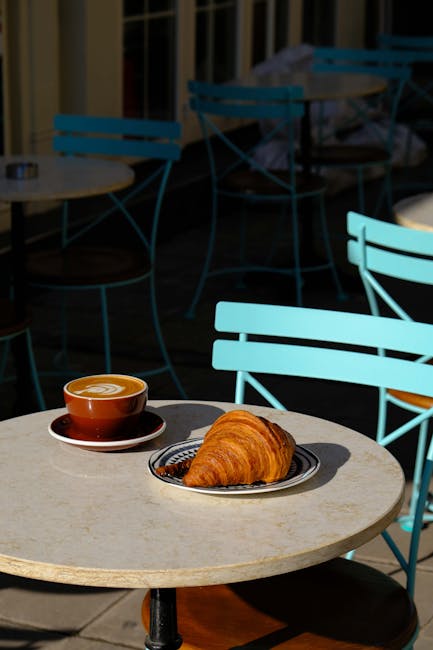
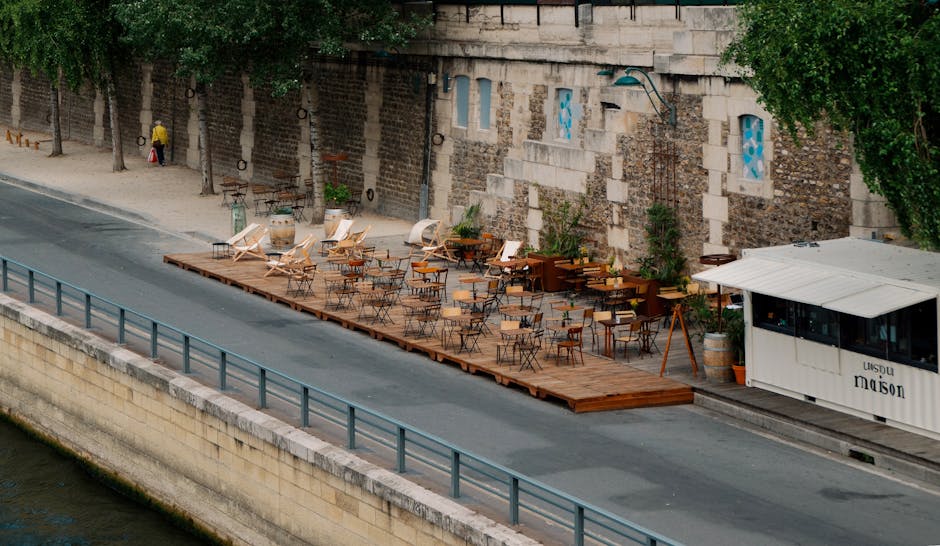
Remember that Paris isn’t just about ticking boxes on a list: allow yourself time to observe, to sit on a bench, to taste local specialties like a buttery croissant, a refined pastry or a comforting bistro dish. The best experiences aren’t only the big views or famous museums, but the small discoveries — an old bookshop, a neighborhood shop, a lively food market, or a terrace where time seems to slow down.
Finally, adapt this route to your pace: if you love art, give more time to museums; if you prefer photography, plan sunrise and sunset at viewpoints like the Trocadéro or the top of the Arc de Triomphe. Check opening hours and book online when possible, stay flexible for the unexpected and, above all, explore the city with curiosity and patience. Paris offers endless richness; three days are enough for a memorable first glimpse and will surely leave you wanting to come back.