





Introduction — Community Kitchens and Farmer Markets: Eat Smart in Paris
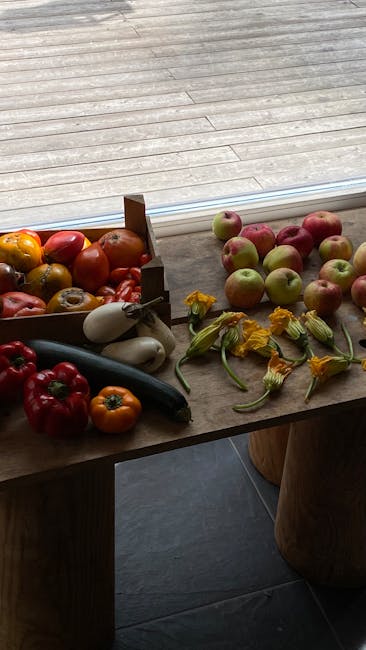
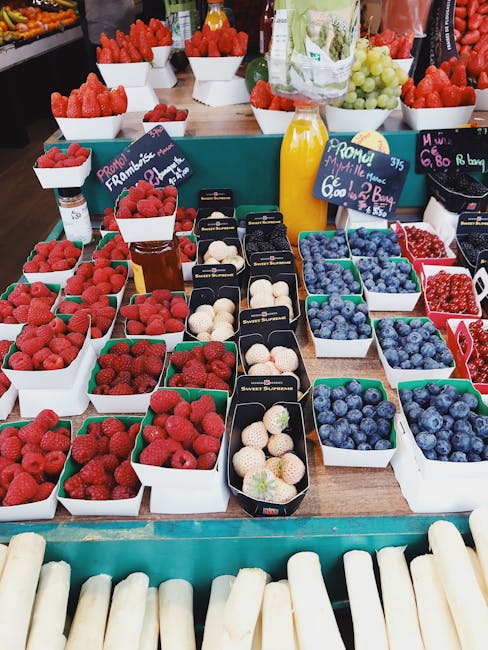
Paris isn’t just the city of fine dining and stylish cafés — it’s also a place where solidarity-based food initiatives and urban agriculture are gaining ground. Between community kitchens, cooperative grocery stores and producer markets, you can eat healthily, locally and on a budget without sacrificing pleasure. This practical guide gives you an immersive overview of Parisian initiatives and spots where you can « eat smart »: discover seasonal produce, meet farmers, enjoy low-cost meals made in a spirit of mutual aid, and adopt more sustainable habits in daily life.
In the pages ahead you’ll find detailed write-ups of emblematic producer markets — exact addresses, typical opening hours, price ranges and concrete tips for smart shopping — as well as portraits of community kitchens and association-run restaurants offering solidarity pricing, pay-what-you-want meals or dishes priced around €3–6. You’ll also learn how to spot labels (AB, Nature & Progrès, Terra Vitis), read labels, bargain without causing offence and plan a budget-friendly food stroll. This guide is aimed at both locals and curious travelers: it emphasizes practicalities — when to go, what to buy, how to store — alongside the human side — encounters with market gardeners, volunteers and community cooks.
We’ll focus on four main Parisian areas/experiences: organic and producer markets (Marché Raspail, Marché des Enfants Rouges, Marché d’Aligre…), community kitchens and association-run restaurants (access models, opening times, prices), less-touristy neighborhood markets (Batignolles, Saxe-Breteuil) and practical tips (preparing shopping, storing, cooking in small batches). Each place mentioned comes with practical info — full address, typical hours, price range — so you can build your own routes. Finally, the guide shares local hacks: best arrival times for bargains, how to spot second-grade produce at deep discounts, and gestures to reduce food waste.

Must-Visit Producer Markets: Where to Find the Best Local Produce
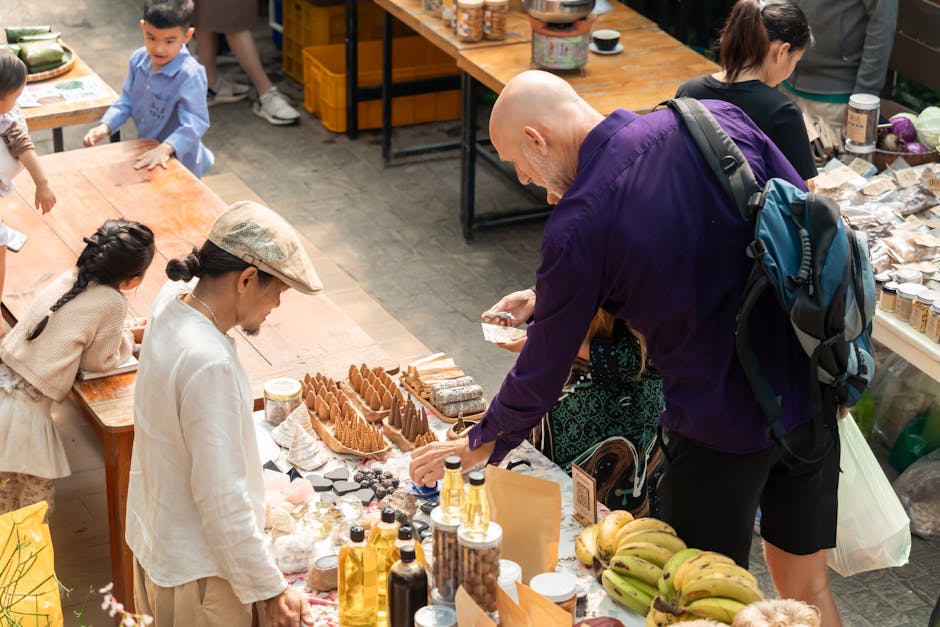
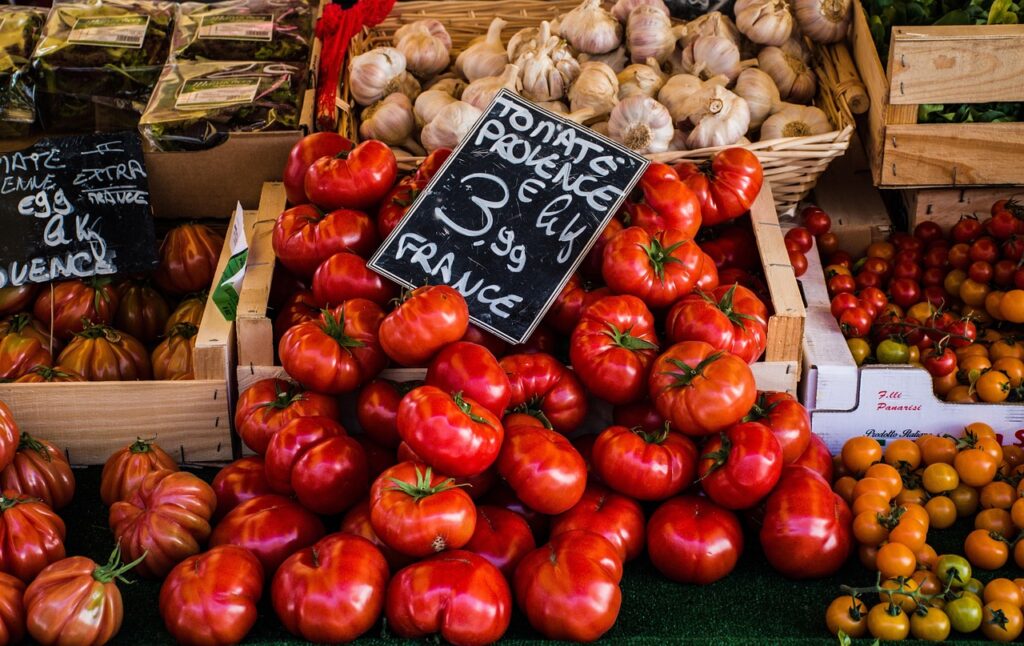
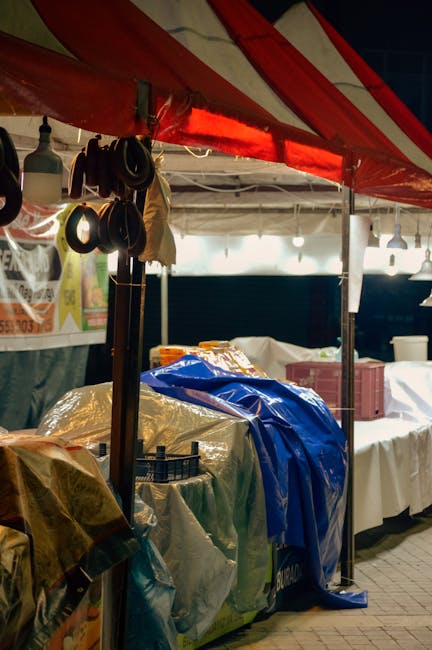
Producer markets are the go-to spots for eating smart in Paris: they offer seasonal, often certified products and give you the chance to talk directly with the people who grow your food. Here are four markets that are particularly useful for everyday shopping, with all the practical info.
-
Marché Raspail (Organic Market)
Address: Boulevard Raspail, 75006 Paris (between rue du Cherche-Midi and rue de Rennes).
Hours: Sunday, 7:30am–2:30pm (main day); some stalls appear on weekday mornings.
Price guide: organic vegetables €3–6/kg depending on season; organic loaf €3–6; eggs €3–5/dozen.
Description: Raspail is the best-known organic market in Paris. A large share of stalls are AB-certified. Producers often come from Île-de-France, the Beauce region or nearby Normandy; you’ll find vegetables, cheeses, breads, meats and artisanal preparations. Local tip: arrive between 9 and 10am for the best selection, but if you want bargains (less pretty veg, reduced baskets) come around 1pm. -
Marché des Enfants Rouges
Address: 39 Rue de Bretagne, 75003 Paris.
Hours: Tuesday–Saturday 8:30am–8:00pm; Sunday 8:30am–5:00pm (times vary by stall).
Price guide: ready-to-eat dishes €6–12; fresh vegetables €2–5 each or €3–7/kg; international dishes €5–10.
Description: Paris’s oldest covered market (est. 1628) doubles as a food hall and producer market. You can eat on site (stalls serve Moroccan, Japanese and French cuisine) or take local products home. The multicultural vibe makes it ideal for a quick, varied meal. -
Marché d’Aligre / Marché Beauvau
Address: Place d’Aligre, 75012 Paris (Beauvau covered market and open-air stalls on the square).
Hours: Open every day except Monday, roughly 7am–1pm; the outdoor market is particularly busy on Fridays and Sundays.
Price guide: fruits and veg €1.5–4/kg depending on season; cheese from €5/100g; free-range chicken €9–14/kg.
Description: Aligre is the quintessential popular market: a mix of wholesale stalls, small producers and antiques booths. It often has great deals — unsold items are sold at reduced prices late in the morning. Tip: negotiate politely if you’re buying in bulk. -
Marché des Batignolles (Organic Market)
Address: Place du Dr Félix Lobligeois / Avenue des Batignolles, 75017 Paris.
Hours: Saturday 8am–2pm (organic market).
Price guide: organic vegetable baskets €7–12; local cheeses €4–8/100g.
Description: Smaller than Raspail but very high quality. Perfect for residents of northwest Paris. Producers take time to explain their methods (agroecology, direct sales), so it’s a good place to learn and buy with confidence.
Practical tips for these markets: bring reusable bags, have some cash on hand (some producers accept cards, others don’t) and ask about growing methods. If you’re on a tight budget, look for “second-grade” produce (ugly but perfectly edible fruits and vegetables) or ask for last-minute « market baskets » at the end of the morning.

Community Kitchens and Association Restaurants: Where to Eat at Solidarity Prices
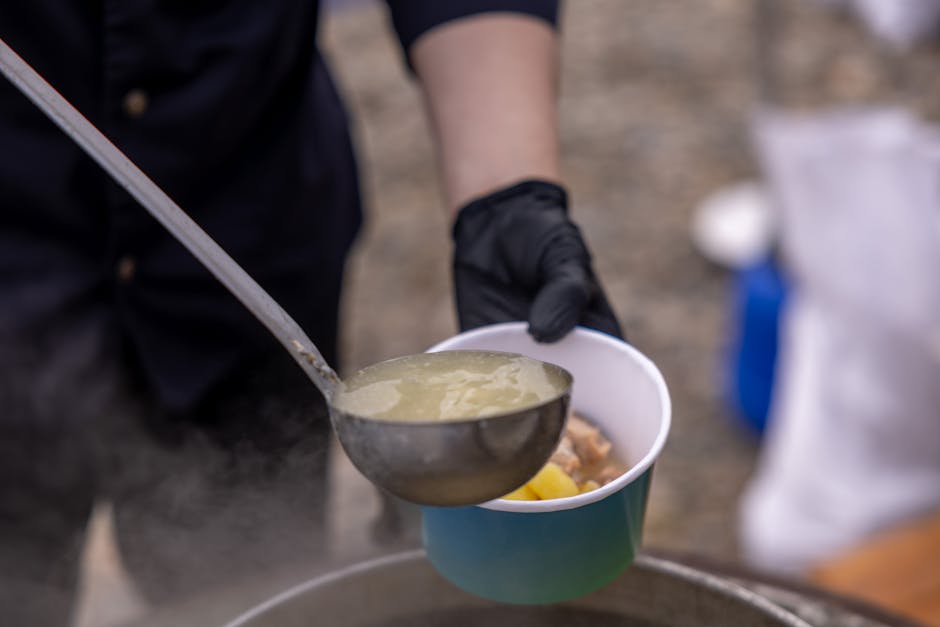
Community kitchens offer more than cheap food: they foster social inclusion, reduce waste and provide job training. In Paris, models vary: some serve meals at a very low fixed price, others experiment with pay-what-you-can or membership schemes. Here’s a representative selection with addresses, typical hours and indicative prices.
-
Les Restos du Cœur — Paris 11 Reception Center
Address (example): 15 Rue de la Folie Méricourt, 75011 Paris (check local schedules before you go).
Hours: food distribution and meals follow the association’s schedule (varies by center; generally morning and afternoon weekdays).
Prices: free for eligible people; services require registration and meet access criteria.
Description: Les Restos du Cœur organize food distributions, and some centers also serve hot meals. The focus is on assistance and socio-professional support. Tip: check the website or call ahead to confirm exact hours and required documents. -
French Red Cross Solidarity Canteen (Paris)
Address (example): variable locations across arrondissements; local meeting points are usually listed on the Paris Red Cross site for 10th/11th districts.
Hours: lunches on selected days of the week; check the local program.
Prices: meals are often very low-cost (€1–3) or free depending on the program.
Description: These canteens prioritize a welcoming environment and hygiene. Meals are prepared by mixed teams of volunteers and professionals. Advice: ask about referrals to other services (health, housing). -
Social and Solidarity Grocery Shops (e.g. Les Petits Riens / Solidarity Grocery)
Address: multiple locations; a good example is the Solidarity Grocery of Paris 12 — 9 Rue Montgallet, 75012 Paris (check locally).
Hours: distributions by appointment or fixed slots, often mornings during weekdays.
Prices: reduced compared with markets (e.g. €1–3 for a tray of vegetables; assistance based on income).
Description: These organizations don’t always serve meals on site but allow people to buy essentials at very low prices. They often work in networks with canteens that serve hot meals. -
Association Restaurants with Pay-What-You-Want Pricing (local pop-ups)
Address: event locations vary — cooperative groceries and cultural centers (check arrondissement cultural calendars).
Hours: occasional dinner or lunch events.
Prices: pay-what-you-can (suggested €3–8).
Description: These meals nurture social connections: you share a table, conversations and sometimes a cooking workshop. Tip: arrive early to secure a seat and, if possible, contribute by bringing a dessert or helping in the kitchen — it’s usually very welcome.
How to make the most of these community kitchens: bring an ID, respect house rules and check registration procedures in advance. If you want to support these initiatives without using the service, consider volunteering or donating non-perishable goods and kitchen utensils.
Neighborhood Markets and Buying Strategies: How to Buy Local Without Breaking the Bank
Beyond the famous tourist spots, neighborhood markets often present opportunities to buy better and cheaper. Knowing a few buying techniques and lesser-known markets can turn your weekly shop into a real bargain hunt.
-
Marché Saxe-Breteuil
Address: Avenue de Saxe and Rue de la Fédération, 75007 Paris.
Hours: Tuesday and Friday 7am–2pm; the market attracts a mixed crowd of locals and visitors.
Price guide: vegetables €2–5/kg; rotisserie chickens €8–15 depending on weight.
Description: A large-scale market with direct-market gardeners and producers. Great for buying in bulk or splitting orders with neighbors. -
Marché de la Place Monge
Address: Place Monge, 75005 Paris.
Hours: Thursday and Sunday 7am–2pm.
Price guide: cheeses €5–10/100g; seasonal fruits €2–4/kg.
Description: A friendly market in the Latin Quarter, perfect for students and families. Many stalls offer bulk discounts if you buy several items.
Effective buying strategies:
– Shop late in the market: aim for 12pm–1pm to score reduced-price baskets (producers often prefer to sell at a low price rather than pack up unsold goods).
– Cook in batches: buy large quantities of vegetables and freeze portions (always label with the date).
– Share purchases: form a shared basket with neighbors or coworkers to lower per-unit cost (especially useful for meat and cheese).
– Prioritize preserved goods: local jams, canned goods and lacto-fermented vegetables keep well and offer excellent value for money.
Local Tips, Storage and Quick Recipes to Stretch Your Food Budget
Eating smart isn’t just about buying in the right place: knowing how to store, transform and cook economically stretches the value of every euro spent. Here are concrete tips, anti-waste practices and quick recipes that work well with market and canteen ingredients.
- Storage: quickly turn herbs and vegetables into sauces or pestos (oil + herbs + nuts), freeze portions of broth, slice and freeze bread to avoid waste. Root vegetables often keep for several weeks in the fridge or a produce drawer. Consider glass jars for home canning.
- Anti-waste: use carrot and radish tops in soups or pesto; make « leftover bowls » (rice/pasta + roasted vegetables + poached egg); compost peels if you have access to a small urban composter.
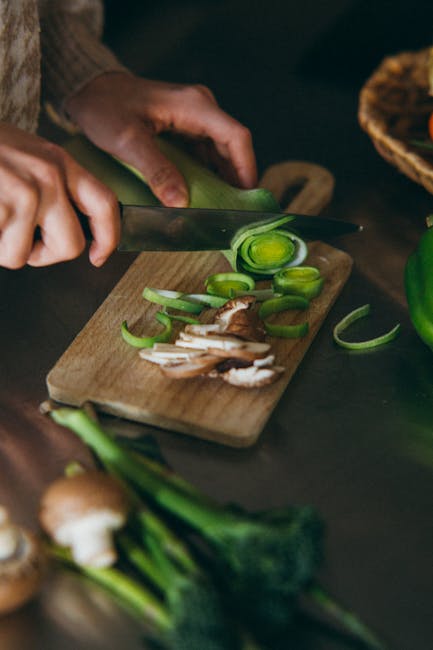
- Simple, budget-friendly recipe: market vegetable soup (4 servings) — typical ingredients: 1 kg mixed vegetables (leeks, carrots, potatoes) €4; 1 onion €0.30; 1 liter water + bouillon cube €0.50; herbs €0.50 = total cost around €5–6 (€1.25–1.50/serving). Tip: add toasted leftover bread to make it heartier.
- Cooking tips: roasting vegetables concentrates flavor (so you need less salt); cook legumes in bulk and use them all week (salads, burgers, soups).
To go further: pair your market shopping with a visit to a local community kitchen (some markets host association canteens) to better understand the food chain. Take time to chat with a producer — besides learning, you’ll often get free tips on the best way to cook a particular vegetable or store a preparation.
Conclusion — Towards a More Responsible and Affordable Parisian Diet
Eating smart in Paris means combining great taste, social responsibility and budget optimization. Community kitchens make healthy meals accessible at low cost while building social ties and supporting reintegration. Producer markets give transparency on food origins and often higher quality than supermarkets. Together, these places form an ecosystem where responsible buying goes hand in hand with conviviality.
To get the most out of this food scene, be pragmatic: pick markets that suit your daily routes (Raspail for organic, Enfants Rouges for variety, Aligre for bargains), arm yourself with reusable bags and a few airtight containers, and plan purchases according to shelf life. Remember that community kitchen arrangements (hours, registration, prices) change: contact organizations in advance or check their official sites for the latest info. If you’d rather contribute than consume, volunteering is often the most direct and rewarding way in.
Finally, keep in mind that eating smart in Paris isn’t only about saving money: it’s an investment in quality, a way to support local producers and a chance to participate in solidarity initiatives that strengthen the city’s social fabric. Whether you live here or are just visiting, take a morning to wander a market, share a meal in an association canteen and bring home not only groceries but stories and encounters. Enjoy your meal and happy exploring!