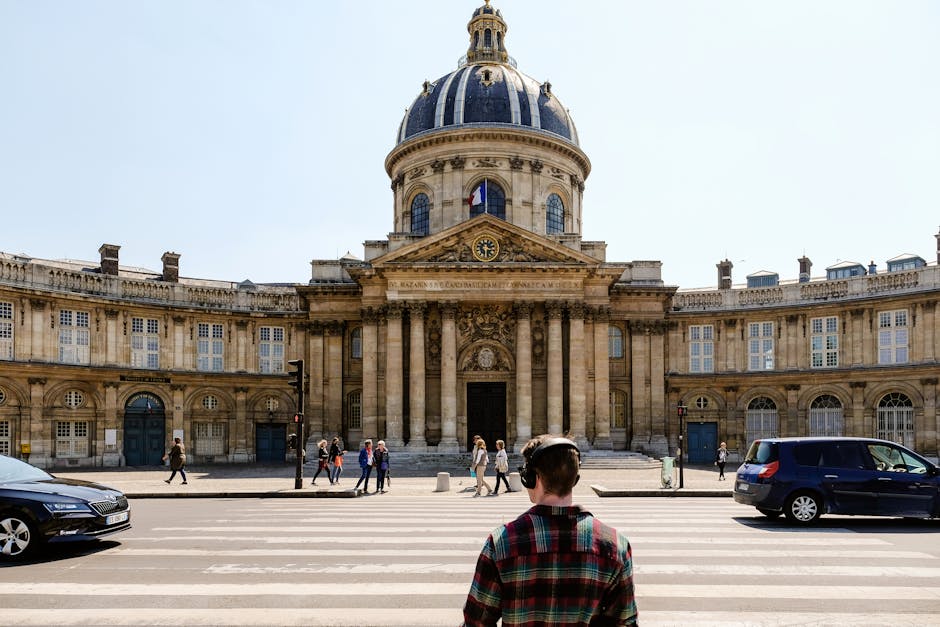






Introduction: choosing how to explore Paris — guided immersion, audio headset, or going solo
Paris is a city of historical layers, grand avenues, intimate alleyways and world-famous landmarks. For a visitor, the key question isn’t just “what to see” but “how to see it.” Do you want to follow a local guide who shares lively stories and unlocks hidden doors? Prefer a discreet headset that delivers tailored commentary while you wander at your own pace? Or enjoy the freedom to roam, stop wherever you please, and stumble upon tucked-away cafés and covered passages? Each mode of immersion brings distinct benefits — this article is a practical, detailed guide to help you choose and plan memorable Paris experiences.
In this guide we cover suggested routes, exact addresses, prices in euros, typical opening hours and local tips to get the most out of each experience. You’ll find recommendations for the big must-sees (Louvre Museum, Eiffel Tower, Sainte-Chapelle, Montmartre, Musée d’Orsay, Catacombs) as well as ideas for more intimate options: themed walks (food, street art, architecture), private guided tours, bike or scooter tours with helmets, and self-guided routes using apps and offline maps.
This article is aimed at a wide audience: families, solo travellers, art lovers, couples and business travellers with a free afternoon. We’ll detail typical costs (museum tickets, audio guides, rentals), recommended visiting times to avoid crowds, and money-saving tips (book ahead, tourist passes, quieter time slots). Finally, we include safety advice, practical transport info (RATP, taxis, VTC), and recommendations for adapting your plans to weather and available time.
Before you start: keep in mind that prices and opening hours can vary with the season and special events. We provide reliable, up-to-date references to help you plan efficiently. Whether you prefer the expert voice of a guide, the convenience of an audio headset while you stroll, or intentionally getting lost to discover a corner bakery, Paris suits every curiosity. Lace up your walking shoes, book time slots for popular monuments, and let the city woo you in the way that suits you best.
1) Guided immersion: benefits, recommended itineraries and practical details
A guided tour adds immediate historical and cultural context, lively storytelling and sometimes privileged access (skip-the-line entries, guided access to certain rooms). Official guides, often holding a professional license, know the best photo moments, forgotten anecdotes and alternative routes to dodge the crowds.
Suggested route: “Essential classics” (half-day)
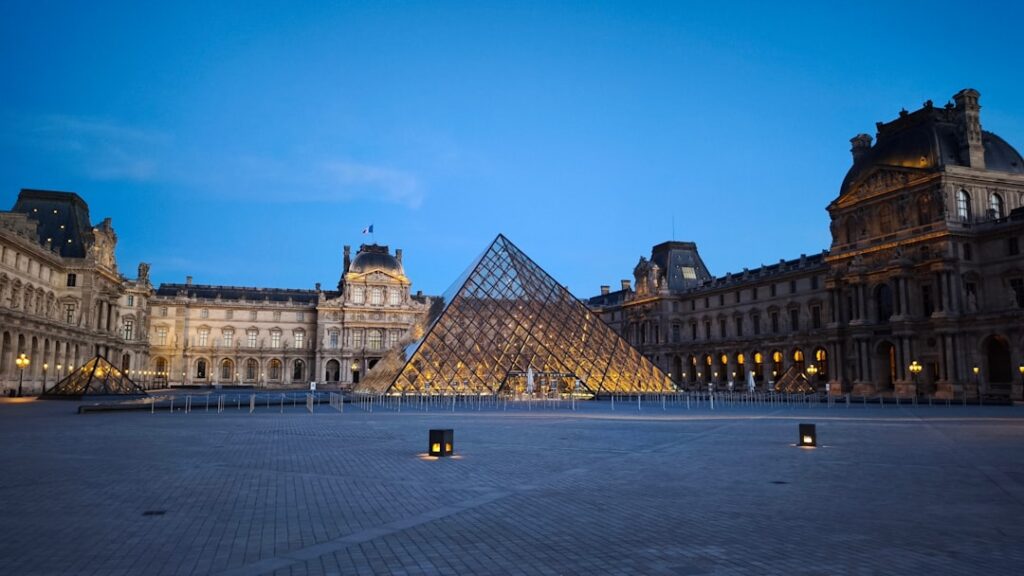
- Starting point: Louvre Museum, Rue de Rivoli, 75001 Paris. Hours: Tuesday–Sunday 09:00–18:00, late opening on Wednesday until 21:45, closed Monday. Standard ticket price: around €17 (adult online ticket).
- Next stop: Notre-Dame Cathedral (façade and Île de la Cité), 6 Parvis Notre-Dame – Pl. Jean-Paul II, 75004 Paris. (Interior access limited depending on restoration works; exterior guided visits common). Free to view from outside; events and tower access may be paid.
- Finish: Sainte-Chapelle, 8 Boulevard du Palais, 75001 Paris. Hours: 09:00–19:00 depending on season. Price: around €11.50 (reductions possible with passes).
Group guided tours typically cost between €25 and €45 per person for a half-day with a licensed guide. A private tour can range from €120 to €300 depending on length and theme. Operators include local agencies and independent guides offering neighborhood meetups in the Marais, Latin Quarter or Île Saint-Louis.
Practical tips for guided tours
- Book ahead: for the Louvre, Sainte-Chapelle or the Eiffel Tower, slots fill up; reserve online to avoid queues. The Louvre issues dated tickets at €17 for general admission.
- Ask for a professional license: an official guide is identified and authorized. This ensures quality and historical accuracy.
- Prefer small groups: 8 to 15 people is ideal for hearing and interaction (price often around €30–40 per person).
- Timing: start early (09:00–10:00) to beat tourist flows, or choose an evening visit where available (e.g. Louvre on Wednesday nights).
2) Audio headset / audioguide: guided autonomy and tech recommendations
An audio headset (or smartphone audioguide) is an effective compromise between a guided tour and solo exploration. It provides detailed commentary, often produced by specialists or the museums themselves, available whenever you want and at your own pace. Audioguides keep you flexible: you can speed up, rewind, skip sections and listen to explanations about specific artworks or architectural details.
Where to get an audioguide and prices
- Louvre Museum: audioguides available at the entrance, priced around €5–7 for a short downloadable version via the official app or for on-site rental. Entry ticket remains €17.
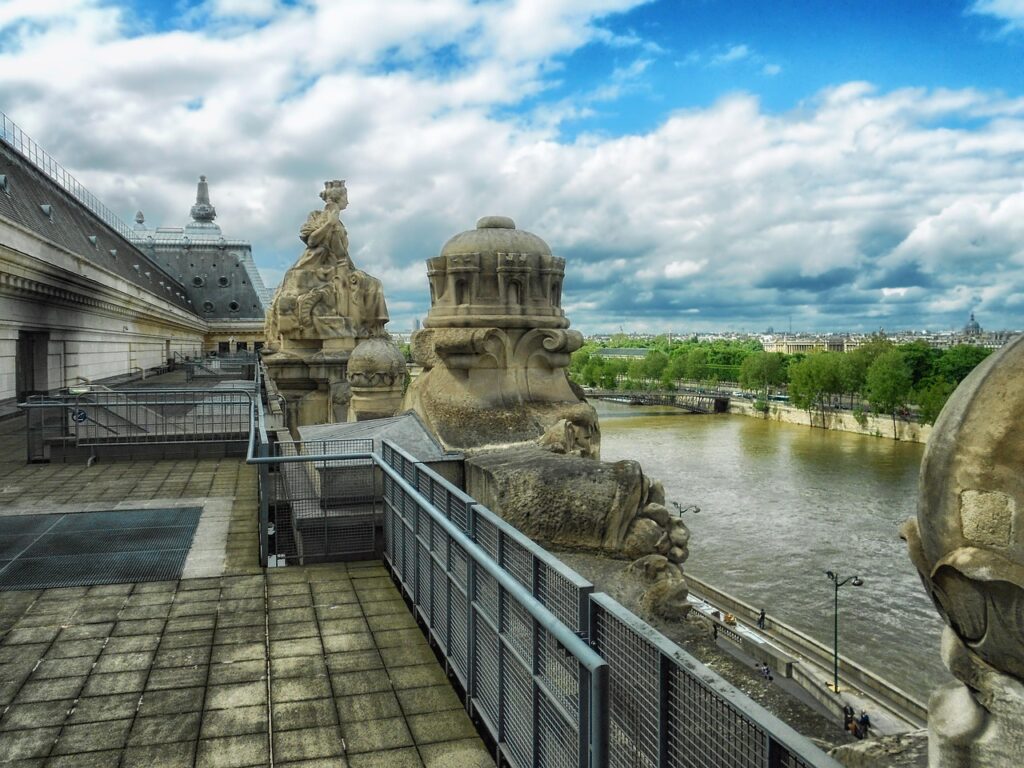
- Musée d’Orsay, 1 Rue de la Légion d’Honneur, 75007 Paris: hours 09:30–18:00 (Thursday late until 21:45), standard ticket price €16. Audioguide available for around €5–6.
- Independent audio tours: apps like Rick Steves Audio Europe, izi.TRAVEL or Storytel Tours offer free or paid routes (typically €3–10 per route).
Tech tips: use comfortable earphones and bring a power bank for long routes. Download audio files in advance to avoid connection issues. Audioguides are especially useful at sites with limited guided tours (e.g. walks along the Seine, historic neighborhoods like Le Marais or Saint-Germain-des-Prés).
Recommended audioguide routes
- Stroll along the Seine (Pont Neuf, Île de la Cité, Pont des Arts) — download a 1.5-hour route to hear commentary on river history and the quays.
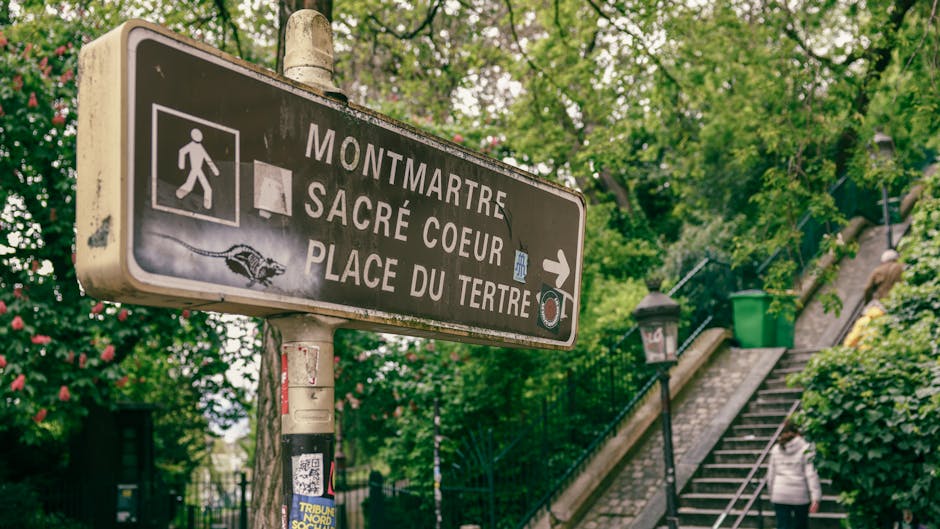
- Montmartre walk — audio route covering the Sacré-Cœur Basilica (35 Rue du Chevalier de la Barre, 75018 Paris, free access), Place du Tertre, the Montmartre vineyard and the little lanes. Free to paid depending on the app.
3) Self-guided exploration: free routes, useful addresses and local tips
Exploring Paris on your own offers the greatest creative freedom. You can pop into a bookshop, step into a pâtisserie for a croissant, or spend an entire afternoon in a park. That said, going solo requires some preparation: offline maps, opening hours, emergency numbers and a list of trusted addresses.
Concrete addresses and suggestions
- Food market and lunch stop: Rue Cler, 75007 Paris — a pedestrian shopping street ideal for cheese, charcuterie and cafés. Open early morning until late afternoon depending on shops. Example: Boulangerie Poilâne (multiple locations) or local cafés (expect €3–6 for a coffee, €6–12 for a sandwich combo).
- Classic café terrace: Café de Flore, 172 Boulevard Saint-Germain, 75006 Paris. Hours: 07:30–01:30. Prices: a coffee ~ €4, a simple lunch ~ €20–35.
- Relaxing park: Jardin du Luxembourg, 6th arrondissement, 75006. Free, open 07:30–21:30 (hours vary by season). Perfect for reading and photos.
Practical tips:
– Download the RATP map and set up offline routes. A single t+ ticket costs about €2.10 (may vary); a Navigo week/month pass is worth it for longer stays.
– Carry some cash for small purchases (markets, pay toilets).
– Avoid rush hour on the metro (08:00–09:30 and 17:00–19:30).
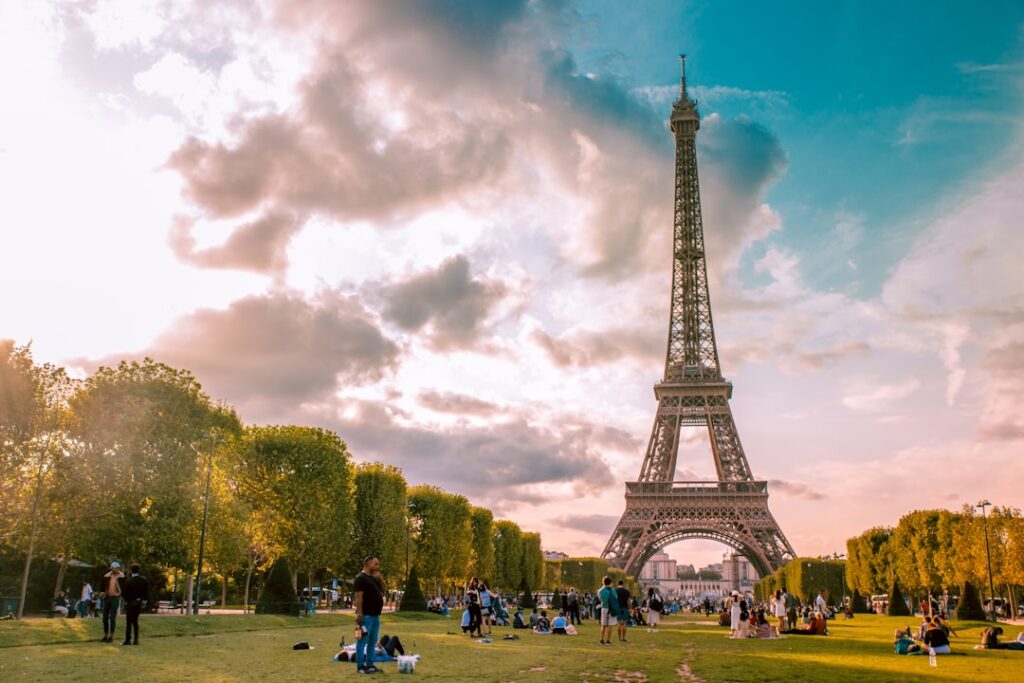
– For photos, scout viewpoints at sunrise or sunset (Champ de Mars for the Eiffel Tower, the Trocadéro esplanade, Montmartre for panoramas).
Safety and etiquette
Stay alert in tourist areas (pickpocketing). Learning a few polite phrases in French helps interactions. In restaurants, check whether service is included; a tip of 5–10% is appreciated but not mandatory. Also respect monument rules (photography banned in some rooms), and check special hours on public holidays (July 14th, Christmas, etc.).
4) Themed experiences: food, art, architecture and night activities
Beyond classic routes, Paris shines with themed experiences. Whether you’re a foodie, a modern architecture enthusiast, a contemporary art fan or looking for a memorable evening, Paris offers specialist activities with expert guides or via audioguide. Below are concrete ideas with practical info.
Food
- Food tour in Saint-Germain-des-Prés: tastings of pastries, cheese and wine. Duration 3 hours, price varies €60–95 per person depending on inclusions. Often departs near 6 Rue de Buci, 75006 Paris.
- Pastry workshop: many schools (e.g. Le Cordon Bleu or independent ateliers) run 2–3 hour sessions. Price: €50–120.
Art & architecture
- Contemporary art visit: Centre Pompidou, Place Georges-Pompidou, 75004 Paris. Hours: 11:00–22:00 (usually Tuesday–Sunday), ticket around €14. Specialized guides for modern architecture available for private tours (~€150–250).
- Architectural walk: La Défense district (Grande Arche, Parvis) — accessible by RER A (La Défense station), great for geometric photos and contemporary architecture.
Night experiences and shows
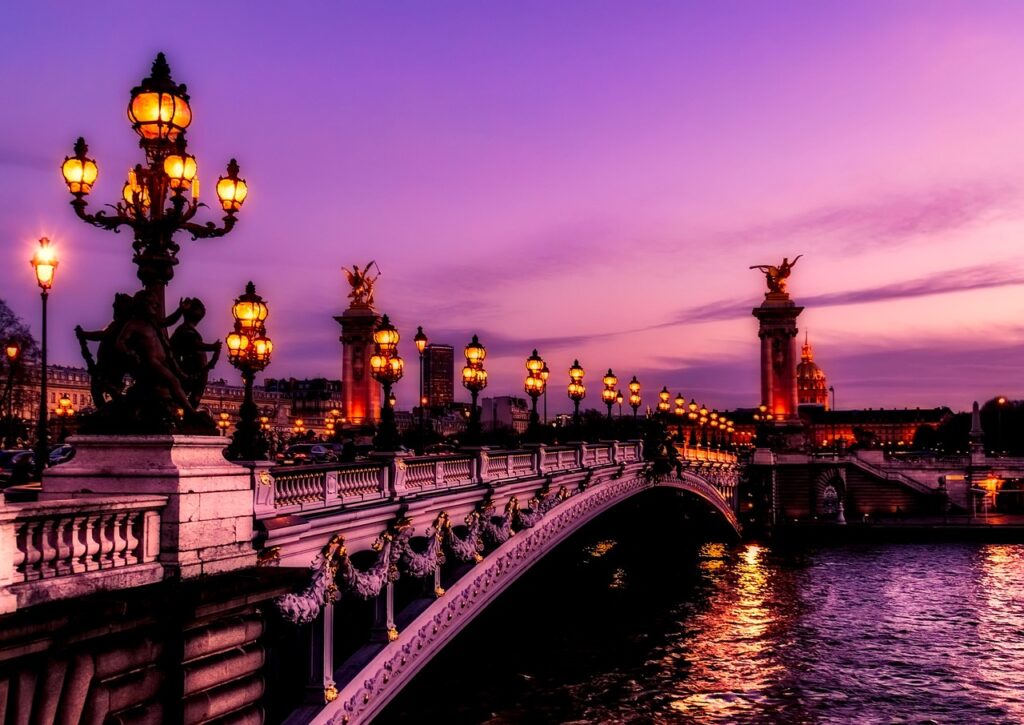
Paris at night is best discovered on a Seine cruise (Bateaux-Mouches, departure at Pont de l’Alma, 75008 Paris), tickets €15–20, or an evening at a cabaret (Moulin Rouge, 82 Boulevard de Clichy, 75018 Paris, prices vary, often > €90 with dinner). Museum late openings (Louvre on Wednesday, Musée d’Orsay on Thursday) let you see collections in a calmer atmosphere.

Conclusion: choosing the right option and final tips for a successful immersion
Choosing between a guided tour, an audio headset or self-guided exploration depends on your goals, budget, available time and whether you prefer historical context or the freedom to discover. Guided tours deliver a living narrative and save time with priority access; audioguides offer structured freedom; going solo gives the most flexibility and personal discoveries. Ideally, combine all three: a guided tour for major monuments (Louvre, Sainte-Chapelle, Eiffel Tower), audioguides for walkable neighborhoods (Marais, Île de la Cité, Montmartre) and free hours to wander markets, cafés and gardens.
A few quick takeaways: book tickets for top sites online (Louvre €17, Musée d’Orsay €16, Sainte-Chapelle €11.50), bring an audio headset or a downloaded app for walking routes, and choose small-group or private tours if you want tailored answers. Don’t forget practical items: comfortable shoes, a power bank for your phone, a downloaded RATP map and a bank card authorized for international use. Finally, adapt your plans to the weather (museum day if it rains, outdoor stroll when it’s sunny by the Seine and in Montmartre) and leave time for the unexpected — a craft shop, a secret viewpoint or an outstanding pastry.
Paris welcomes every approach. Whether you follow an enthusiastic guide, listen to a narrative in your headset while crossing the quays, or deliberately lose yourself on a cobbled street, the city will offer stories, flavors and images that linger long after you leave. Plan smart, but leave room for serendipity: that’s often where the most authentic experiences are born.