





Introduction — Weather overview and clothing challenges in Paris
Paris is a city of microclimates and contrasts: one neighborhood can be hit by chilly gusts coming off the Seine while another, sheltered between Haussmannian buildings, feels surprisingly mild. For both visitors and residents, picking the right coat is as much a practical skill as a style choice. This practical guide aims to answer a simple but crucial question: what coat should you bring depending on the month you’re staying in Paris? It combines general climate data, layering tips, useful addresses for buying or repairing a coat, specific model suggestions for each month, and local advice for dealing with rain, wind, grey skies or those occasional sunny spells typical of the capital.
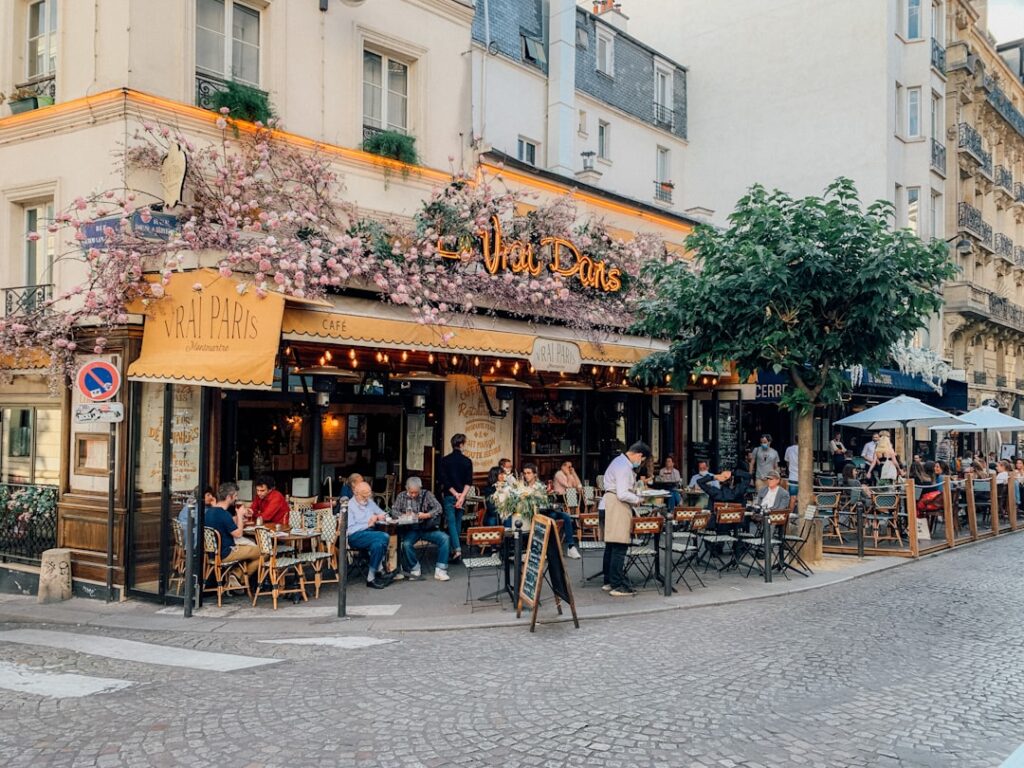
We cover the city as a whole: from the banks of the Seine to the heights of Montmartre, from wind-exposed parks like Buttes-Chaumont to the sheltered streets of the Marais. You’ll find practical recommendations for places to test your coat (for example the heated terraces at Café de Flore) as well as precise information: full addresses, opening hours and price ranges for buying or servicing. The goal is to give you a clear roadmap so you avoid common mistakes — like bringing only a thin windbreaker in December, or hauling a heavy overcoat in May.
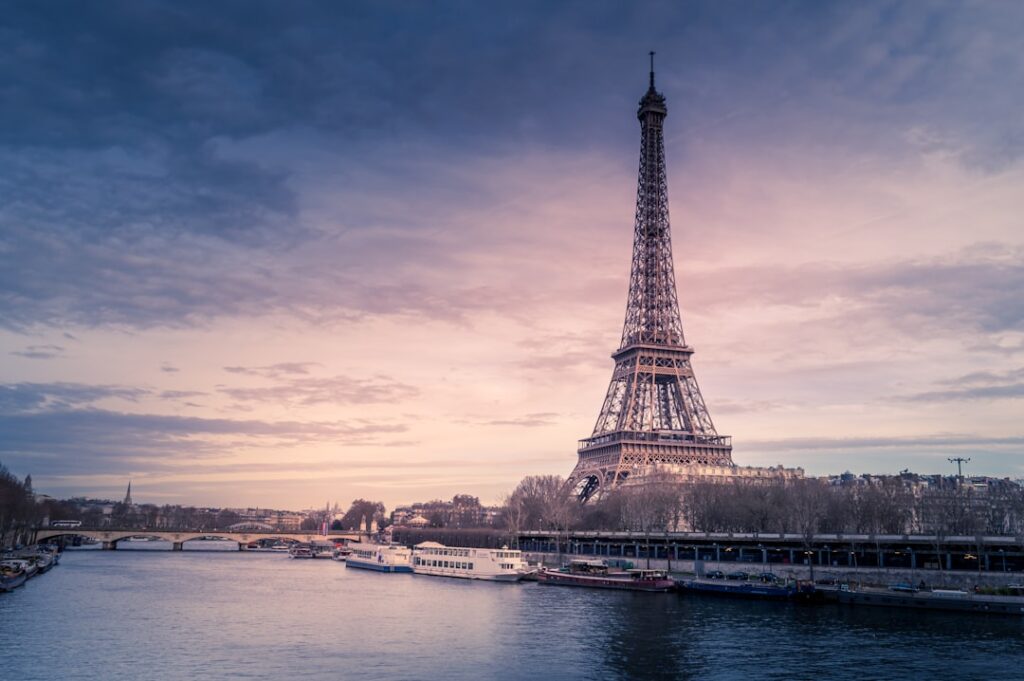
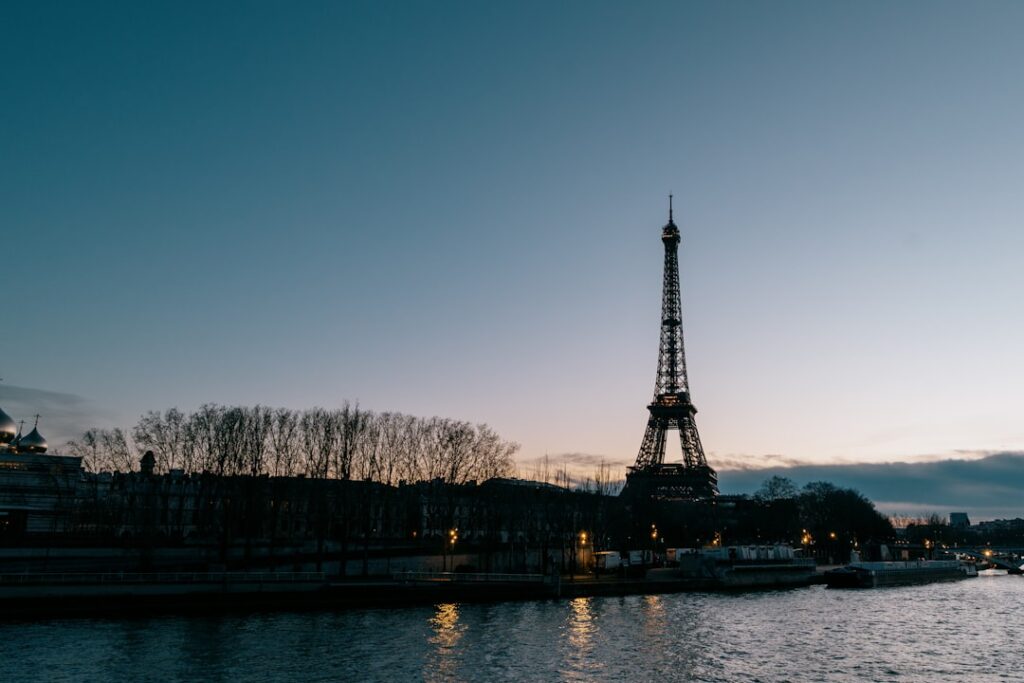
The method: for each season (winter, spring, summer, autumn) we detail typical weather characteristics (average temperatures, rain or snow risk, wind), the recommended type of coat (material, insulation, length), concrete models to look for, budget and high-end options, and shop/atelier addresses for purchase or alterations. We also include situational advice: how to dress for a stroll along the Seine at the foot of the Eiffel Tower (Champ de Mars, 5 Avenue Anatole France), for a rainy afternoon museum visit (Louvre Museum, Rue de Rivoli), or for an evening at the Opéra Garnier (Pl. de l’Opéra).
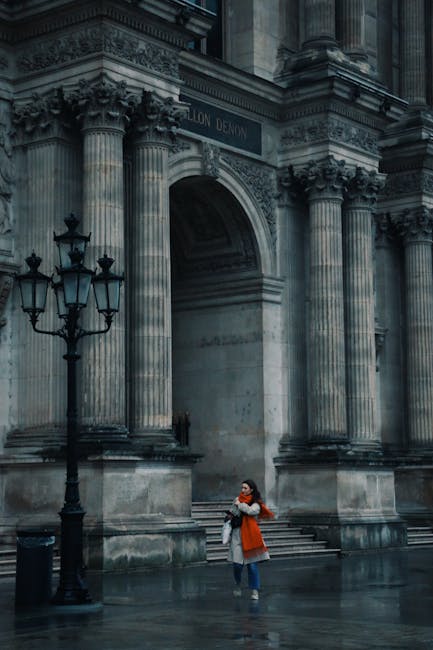
Finally, for photographers and urban explorers we point out visual cues and locations to test the practicality of your coat: the wind-exposed promenades of the Tuileries Garden (Rue de Rivoli), the often damp cobbled lanes of the Latin Quarter (Boulevard Saint-Michel), or the wide boulevards where rain sometimes gusts sideways. When emergency items are needed (umbrella, balaclava, gloves), we list precise addresses — from big retailers to craft ateliers — with prices and opening hours so you can act quickly and smartly.
Winter (December, January, February) — Warm coats and cold-weather strategies
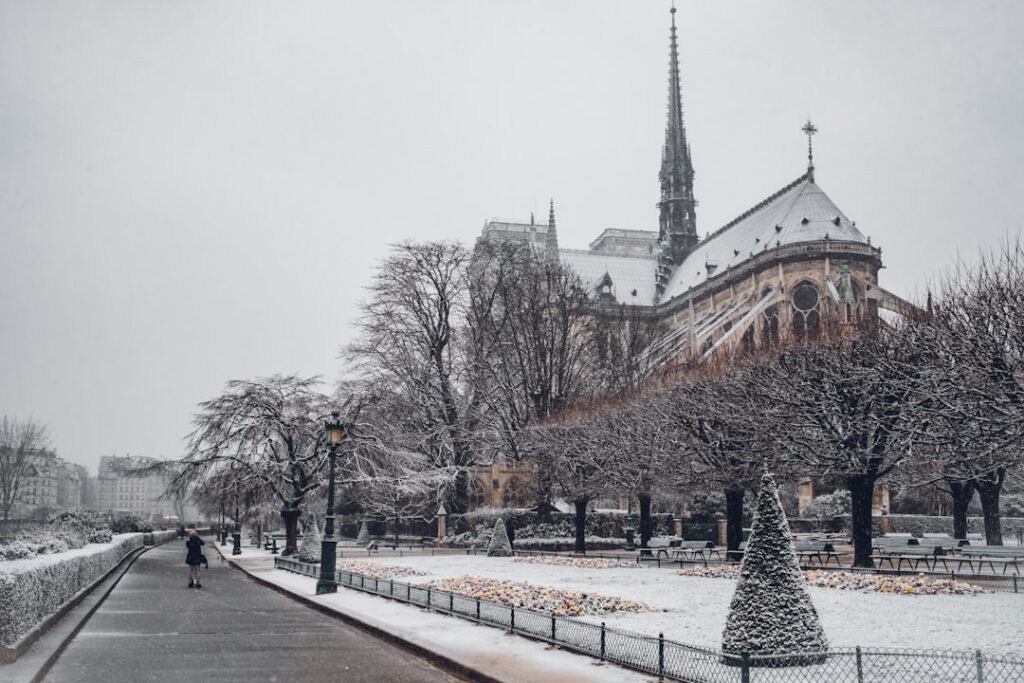
Parisian winter can be cold, damp and grey, although heavy snowfall remains rare. Average temperatures range from about 1 °C to 7 °C, with colder spikes during Siberian air outbreaks. The most punishing factor is often humidity and wind: the Seine quays and exposed squares like Place de la Concorde become unpleasant without good wind protection. In December and January, plan for a coat that insulates well and repels rain or urban runoff (wet, salted sidewalks). Materials to favor: dense wool (80% and up) with lining, or synthetic/down puffer jackets treated with a water-repellent finish.
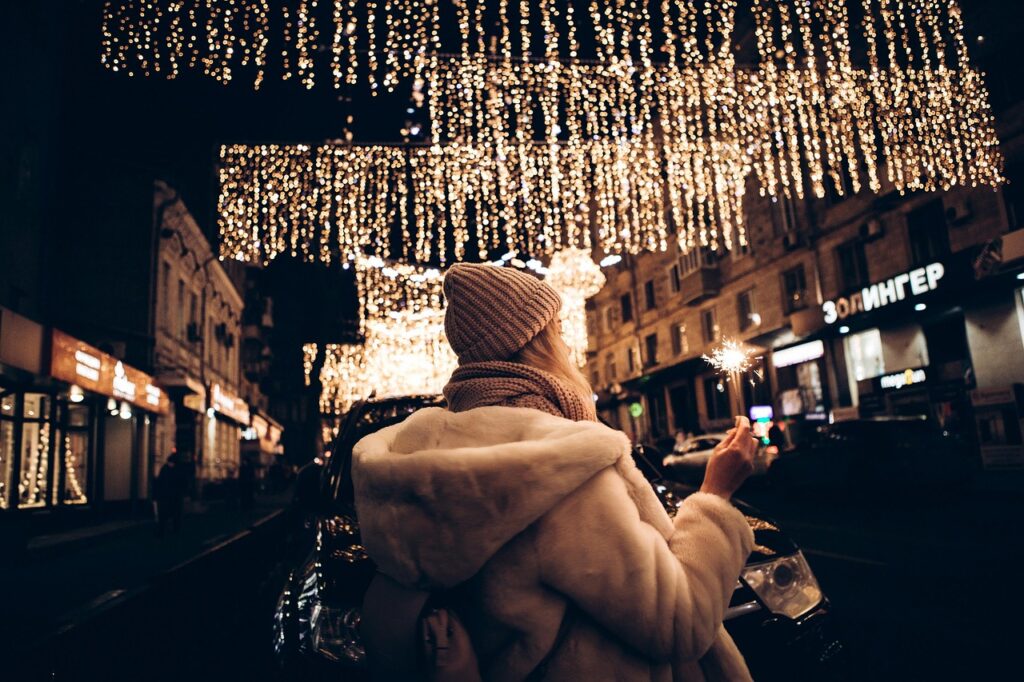
Length and cut: a mid-length to long coat (at least thigh-length, ideally knee-length) is recommended to limit drafts. Lined hoods, high collars and snug cuffs are major pluses. For city walking, a lightweight yet warm puffer (100–300 g down or synthetic equivalent) is practical; for dressier evenings (theater at Opéra Garnier, Place de l’Opéra), a classic wool overcoat (roughly €120–€300 depending on brand) adds elegance and warmth.
Where to buy or repair? Galeries Lafayette Haussmann, 40 Boulevard Haussmann, 75009 Paris: a wide selection of coats (prices from €60 for a basic puffer to over €800 for high-end coats), open daily 9:30–20:00 (extended hours some days). BHV Marais, 52 Rue de Rivoli, 75004 Paris: handy for waterproof gear and linings (prices €30–€250), open 10:00–20:00. For quick alterations (hemming, buttons), visit Retoucherie Aux Détails, 12 Rue des Blancs Manteaux, 75004 Paris, open 9:30–18:30, sewing charges €10–€30 depending on the work.
Practical tips: layering is key: a lightweight thermal base layer (€20–€50 at Decathlon, 10 Rue du 4 Septembre, 75002 Paris), a mid-layer in wool or fleece (€40–€120), then your coat. Don’t forget lined gloves (€15–€80), a wool beanie (€10–€60) and a thick scarf. To warm up quickly, stop by Le Procope (13 Rue de l’Ancienne Comédie, 75006 Paris), a historic café open 8:00–23:00, where a hot drink will lift your spirits in minutes (drinks €4–€8).
Spring (March, April, May) — The dilemma: light but waterproof
Spring in Paris is famous for its unpredictability: a cool, rainy morning can give way to a sunny afternoon. Average temperatures rise from around 7 °C in March to 15–18 °C in May. Frequent, sometimes heavy showers call for a waterproof coat or windbreaker. The key in spring is modular layers, a good rain jacket, and the ability to easily remove a layer when the sun comes out.
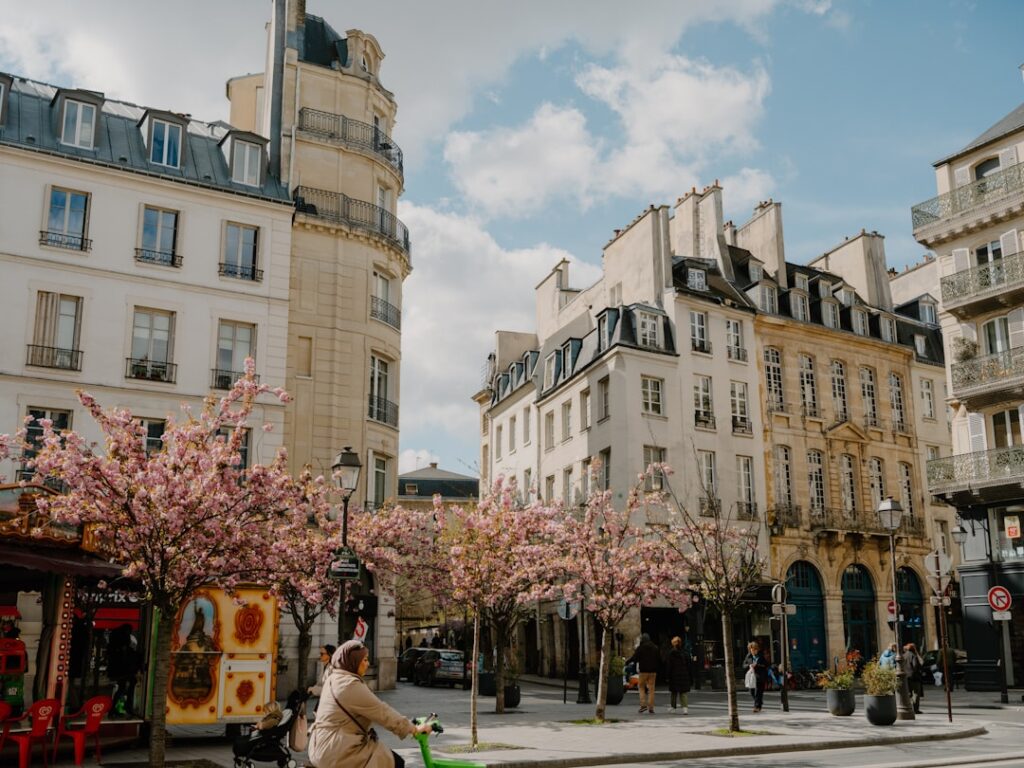
Recommended coat types: the trench coat (waxed cotton or gabardine with a water-repellent membrane) is a classic that works well in Paris. A mid-length trench (€100–€400 depending on brand and quality) shields against light rain while staying chic — perfect for strolling the Marais or lunching at Café Charlot (38 Rue de Bretagne, 75003 Paris), open 8:00–23:00. For cooler days, choose a lightweight technical jacket (€30–€150) or an ultralight compressible down jacket for mornings and evenings.
Useful addresses: for an affordable trench, check out Uniqlo Opéra (38 Rue de la Paix is an approximate address for the large Uniqlo Opéra-Bourse store) or Galeries Lafayette Haussmann (40 Boulevard Haussmann, 75009 Paris). For a high-end trench, visit Burberry Paris, 121 Avenue des Champs-Élysées, 75008 Paris (open 10:00–20:00, prices from about €900). For technical waterproof gear: Decathlon Nation, 73 Bis Boulevard Voltaire, 75011 Paris, open 9:00–20:00, jackets from €25.
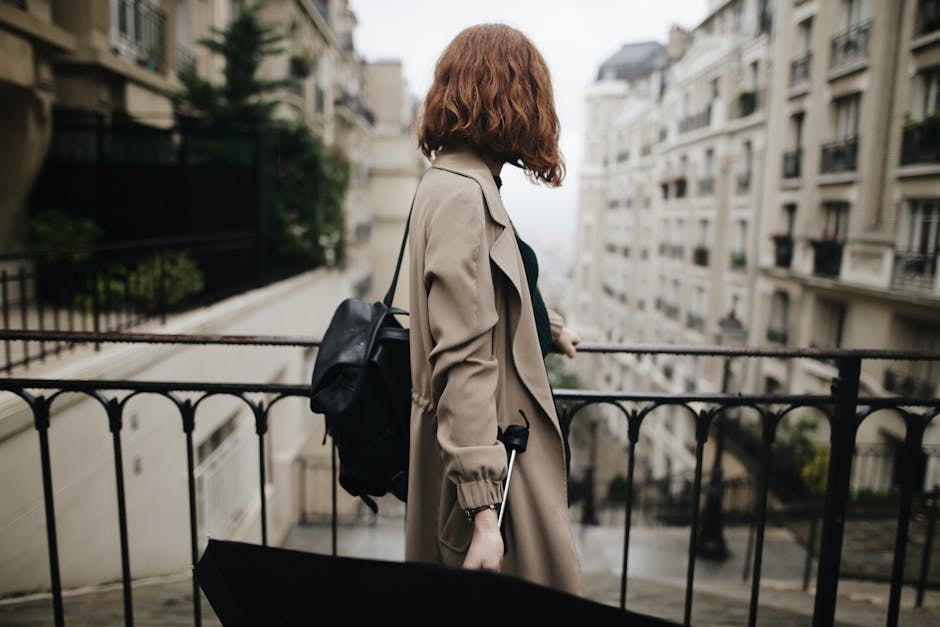
Local tips: always carry a compact umbrella (€10–€30) or a hooded jacket folded in your bag. The cobbled streets of the Latin Quarter (Boulevard Saint-Michel) and the banks of the Canal Saint-Martin (Quai de Jemmapes) become slippery after rain; non-slip soles are a plus. Take advantage of sunny afternoons for walks in the Luxembourg Gardens (Rue de Médicis, 75006 Paris), open daily 7:30–21:30 (seasonal), where a light jacket is often enough.
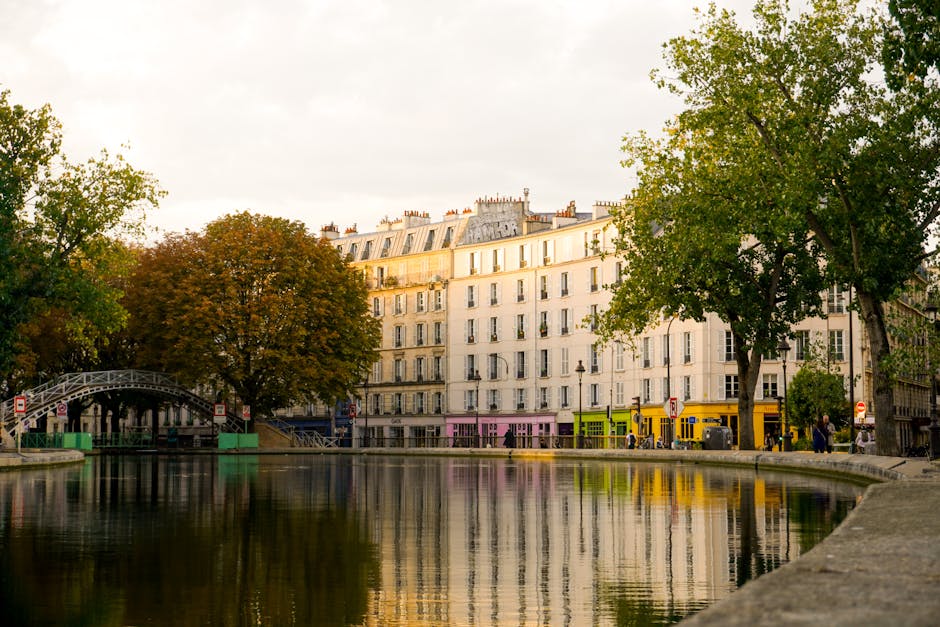
Summer (June, July, August) — Lightness, breathability and sun protection
Summer in Paris brings hot days and sometimes heat waves (25–35 °C), with cooler nights. Storm showers are possible, but dry heat and sunshine are often the rule. The “coat” for summer is really a light outer layer: a thin windbreaker, a linen jacket or a breathable blazer. Comfort and breathability trump insulation.
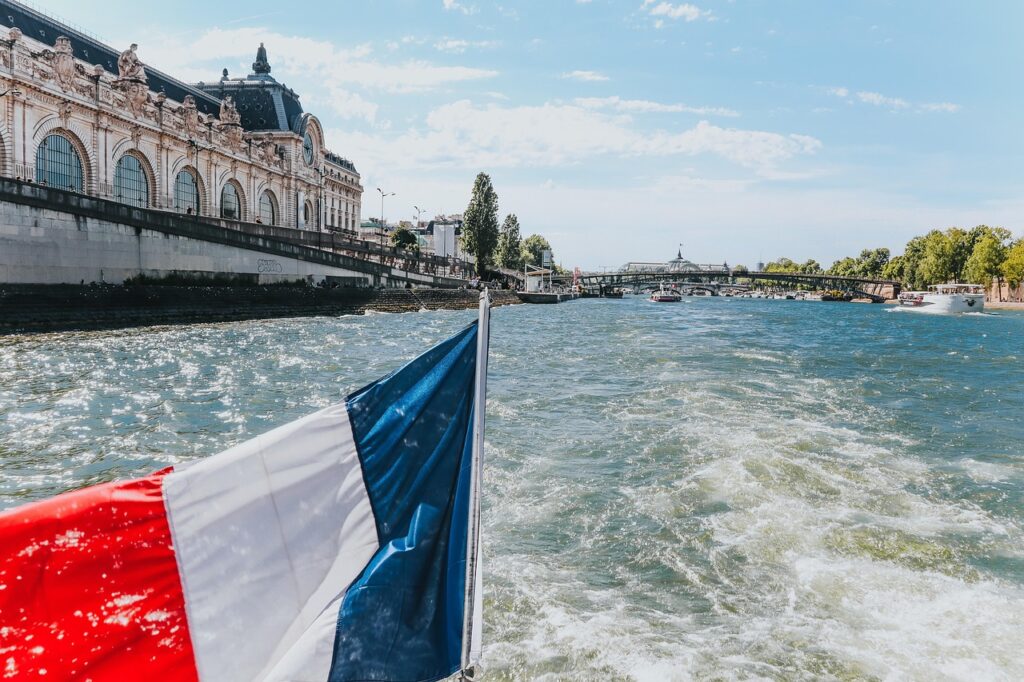
Recommended pieces: linen jacket (€50–€250), lightweight blazer for evenings (€60–€300), ultra-light windbreaker (€20–€120). Natural materials (linen, cotton) or breathable technical fabrics are preferable. An ultra-thin waterproof jacket that packs into a bag is handy for summer showers; these are great for outings to wide green spaces like Parc des Buttes-Chaumont (1 Rue Botzaris, 75019 Paris), which can be windier and cooler in the evening.
Where to buy and where to shelter: to buy a summer jacket or blazer, head to Zara (40 Rue de Rivoli, 75004 Paris) or H&M (addresses vary by arrondissement), with prices around €20–€120. For more sustainable options, local shops like Antoine et Lili (28 Boulevard Saint-Germain is a representative boutique concept) offer linen and natural-fiber clothes (€60–€250). In case of a heat wave, air-conditioned museums are good refuges: Musée d’Orsay, 1 Rue de la Légion d’Honneur, 75007 Paris, open 9:30–18:00 (closed Mondays), adult ticket around €16; Musée du Louvre, Rue de Rivoli, 75001 Paris, open 9:00–18:00 (closed Tuesdays), tickets from about €17 online.
Practical tips: on very hot days, favor early mornings and late afternoons for visiting the Eiffel Tower (Champ de Mars, 5 Avenue Anatole France). Opening hours fluctuate but summit access typically costs around €25–€30 (varies by level and whether you take the stairs or lift). Pack an ultra-light jacket for evenings along the Seine or on a Bateaux Mouches cruise (Port de la Conférence, 75008 Paris), where the air can turn cool after sunset. And don’t forget sun protection (hat, sunglasses, sunscreen) — a light jacket you can wear or stow in a bag is better than a bulky coat.
Autumn (September, October, November) — Layering and waterproofing for the in-between season
Autumn in Paris is a transitional season full of atmosphere: sunny, golden September days can give way to grey rains in November. Temperatures fall from about 20 °C to 8 °C, and humidity rises. The watchword is versatility: a coat warm enough for chilly mornings but not too heavy for milder afternoons. Lined trench coats, lightweight wool jackets and mid-season parkas are excellent compromises.
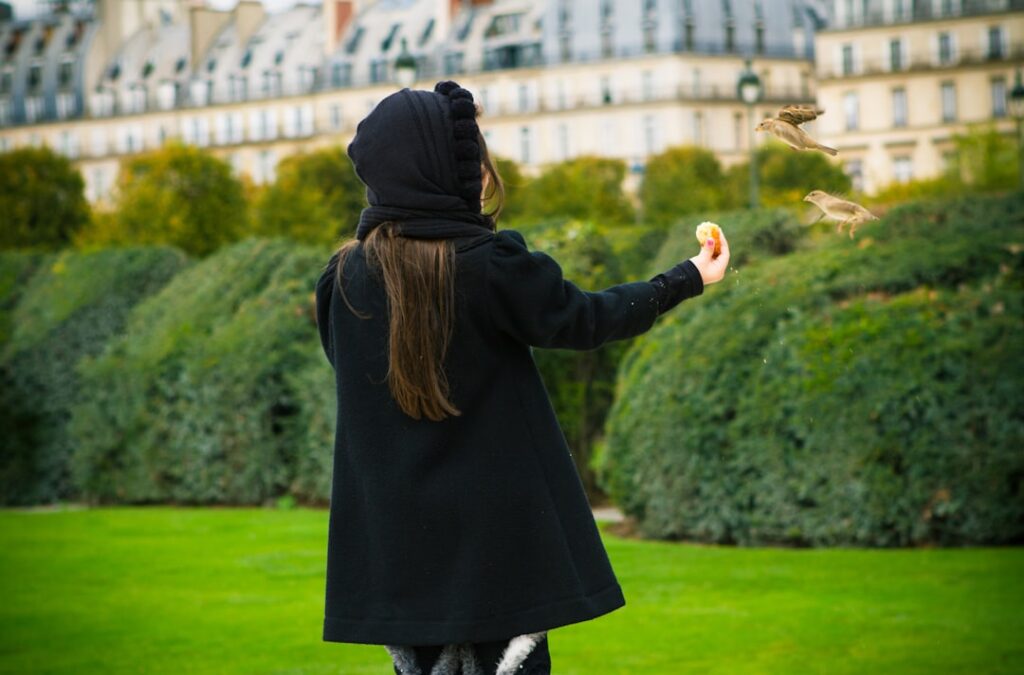
Coat types and materials: favor blended wool (wool+polyester) for a good warmth-to-weight ratio, or a lightweight waterproof parka with a removable lining to handle showers. Don’t forget pants and shoes: waterproof ankle boots and thick socks prevent freezing feet after walks on Montmartre’s damp cobbles (Place du Tertre, 75018 Paris).
Addresses and ateliers: for a quality overcoat, visit A.P.C. at 112 Rue Vieille du Temple, 75003 Paris (prices €250–€700, open 11:00–19:00), or browse Marais boutiques for local ready-to-wear. If you need a waterproof membrane, go to Decathlon Nation (73 Bis Boulevard Voltaire, 75011 Paris) for technical parkas (from about €40). For cleaning and water-repellent treatment, L’Imperméabilisateur Parisien, 24 Rue de la Paix, 75002 Paris (cleaning and water-repellent workshop), offers treatments starting at €25.
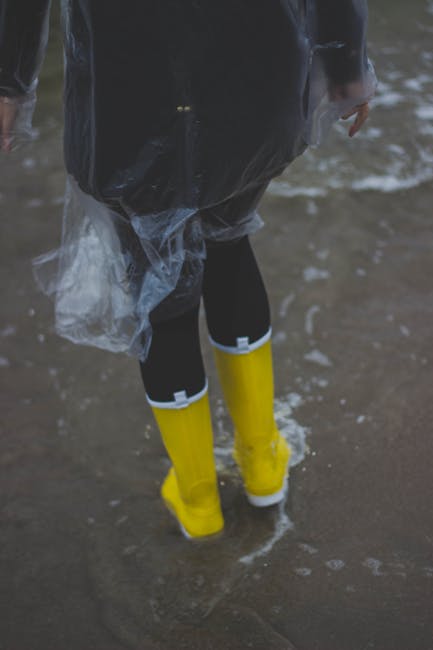
Local tips: adapt your outfit to planned activities — museum visits (Musée Rodin, 77 Rue de Varenne, 75007 Paris, open 10:00–18:00, ticket €13), walks in parks (Luxembourg Gardens), or theater evenings. At night, temperatures drop further, so bring a thin thermal layer or a lightweight cashmere sweater for dinners on heated terraces. Also consider waterproof bags to protect cameras and documents: you can find them at BHV Marais (52 Rue de Rivoli, 75004 Paris) for €10–€50 depending on model.
Conclusion — Practical summary and pre-departure checklist
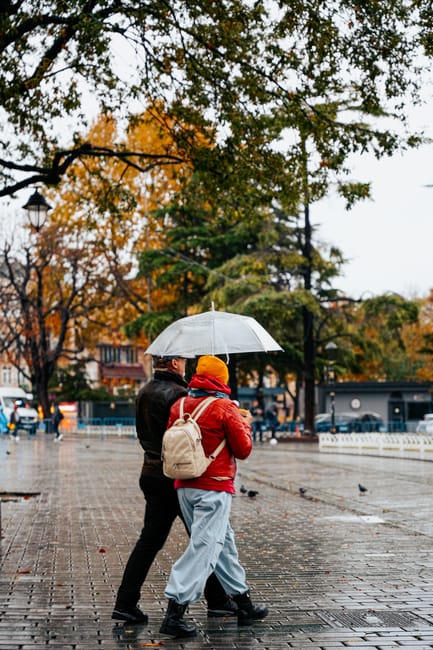
Paris requires smart, adaptable clothing. To sum up: in winter, opt for a long, insulating coat (wool or puffer) with warm accessories; in spring, choose a waterproof trench or a lightweight technical jacket; in summer, go for very light jackets, blazers or breathable windbreakers; and in autumn, favor versatility with mid-season parkas or overcoats. The general rule is layering: thermal base layers, an insulating mid-layer and an outer protective layer against rain and wind. This lets you quickly adjust to Paris’s microclimates.
Before you leave, make a practical checklist: check local weather (Météo-France online service), pack a compact umbrella, a light sweater and a waterproof jacket even in summer. If you need to buy or repair a coat in Paris, visit Galeries Lafayette Haussmann (40 Boulevard Haussmann, 75009 Paris), BHV Marais (52 Rue de Rivoli, 75004 Paris) or the small alteration and waterproofing ateliers mentioned above. Remember that museums like the Louvre (Rue de Rivoli, 75001 Paris), Musée d’Orsay (1 Rue de la Légion d’Honneur, 75007 Paris) and Musée Rodin (77 Rue de Varenne, 75007 Paris) are perfectly heated or air-conditioned refuges to adjust your layers and keep touring comfortably.
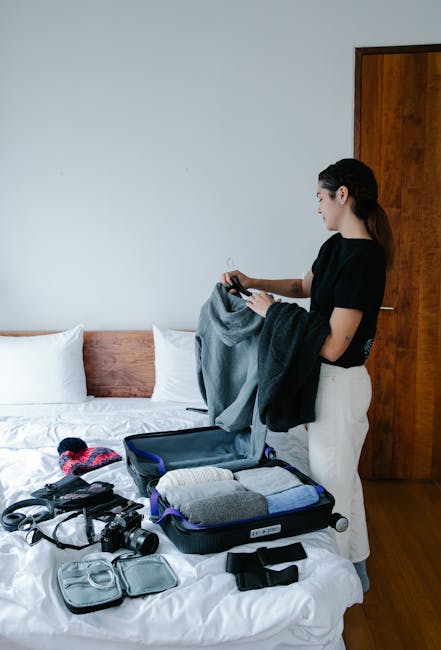
Final tips: invest in good waterproof shoes (ankle boots €50–€200), a quality scarf and gloves for cold months, and prioritize breathable fabrics for hot months. If you’re sensitive to the cold, choose a three-season coat that can accept a removable lining. Finally, adopt the local mindset: walk briskly, take advantage of cafés to warm up, and plan activities for the most pleasant times of day (mornings in summer, afternoons in winter). With the right coat, Paris’s weather quirks turn into chances for discoveries and cozy memories.