





Introduction: Why Choose Neighborhood Markets to Cook for Yourself in Paris
Paris isn’t just a capital of gourmet dining and Michelin-starred restaurants: it’s also a city of neighborhood food islands where every market tells a story about the season and the district. For the home cook—whether you live here or you’re visiting and want to prepare an authentic meal in a Paris apartment—wandering these neighborhood markets is the unbeatable way to buy fresh, local, and sometimes rare ingredients, while benefiting from hands-on advice from producers and stallholders.
Going to the market isn’t just about buying tomatoes: it’s feeling the season, bargaining for a bunch of herbs, smelling the strength of a still-warm baguette, tasting a cheese before you choose it. Neighborhood markets offer a wide array of stalls: greengrocers, fishmongers, butchers, cheesemongers, grocers, spice sellers and sometimes organic or exotic stands. In Paris, each market is a little stage—some are very touristy, others remain true neighborhood institutions frequented by locals, chefs and students.
This guide takes you on an immersive tour of some of the best Paris markets for cooking your own meals. You’ll find exact addresses, realistic opening times, price indications to build everyday menus (breakfast, main, starter, dessert), seasonal tips and local tricks (best times to avoid crowds, how to spot a good producer, how to store purchases in a small Paris flat). It also recommends signature products to try at each market: oysters by the Seine, heritage vegetables, traditionally-baked bread, traceable poultry, and matured cheeses with the cheesemonger’s advice.
Reading this guide will help you become more independent: you’ll know where to find a filet of fish for a 20-minute dish, which market is best for organic produce, how to ask simply for a slice of farmhouse ham, and most importantly how to compose a seasonal menu without breaking the bank. The prices given are benchmarks to help you budget a meal in Paris—a city where quality costs, but where you can still cook memorable dishes for yourself for around €10–€25 per person depending on your choices. Prepare your basket, a small soft cooler if needed, and follow these routes to turn shopping into lively culinary experiences.
1. Marché d’Aligre (Place d’Aligre and Covered Beauvau Market) — 75012 Paris
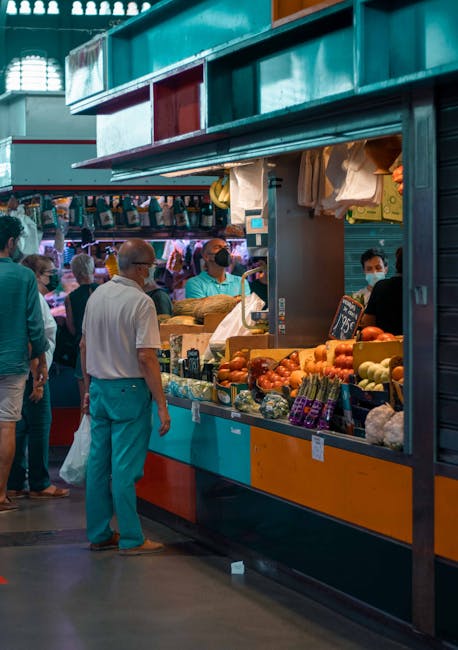
Marché d’Aligre is one of the lively, popular institutions of the 12th arrondissement. It combines an open-air market on Place d’Aligre with a covered market (Marché Beauvau) where you’ll find charcuterie, cheese counters, fishmongers and fine grocery stalls. The energy here is high: a mix of locals, restaurateurs and bargain hunters makes it a perfect spot to shop for cooking at home. Exact location: Place d’Aligre, 75012 Paris (entrances around Place d’Aligre and 3 Rue d’Aligre). The market is generally open Tuesday to Sunday mornings; indicative hours: Tuesday–Saturday 07:30–13:30, Sunday 07:30–14:00. The covered market stalls open around 08:00 and close around 14:00.
Price guide: a traditional baguette €1.20–€1.40; beefsteak tomatoes €3–€4/kg; free-range chicken €8–€12/kg depending on origin; a tray of 6 oysters €9–€18 depending on size; a cheese like Camembert €3.50–€6 each; a basket of mixed organic vegetables €3–€6. These prices vary with season and producer but remain competitive compared with specialty shops.
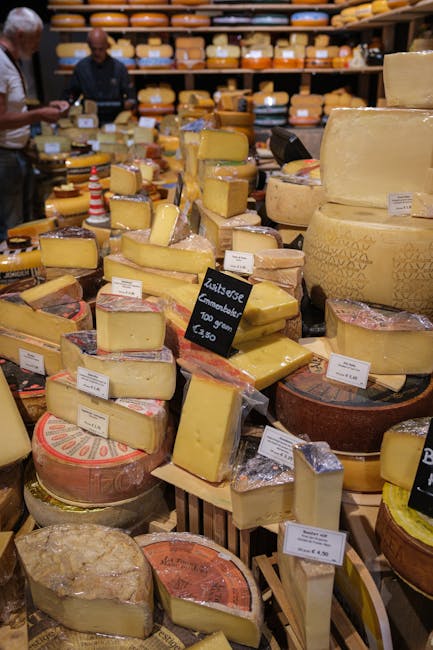
Practical tips: arrive early to get the best cuts from the butcher and the freshest fish. If you’re after rare items (pink Lautrec garlic in season, heirloom vegetables), ask the greengrocer—many are proud to show where things come from. Stallholders usually accept cards, but bring some change for small advance payments. To cook straight away, choose a simple recipe: pan-fried fish fillets (pollock or cod, for example), roasted vegetables and a warm baguette. Average budget for a meal for two: €18–€30.
Local tip: the market is great for an “after-market” finish—pick up fresh herbs (parsley, coriander), some lemons, and ask the fishmonger for cooking tips: they’ll often explain the best way to fillet a fish or remove the skin.
2. Bastille Market (Boulevard Richard Lenoir) — 75011 Paris
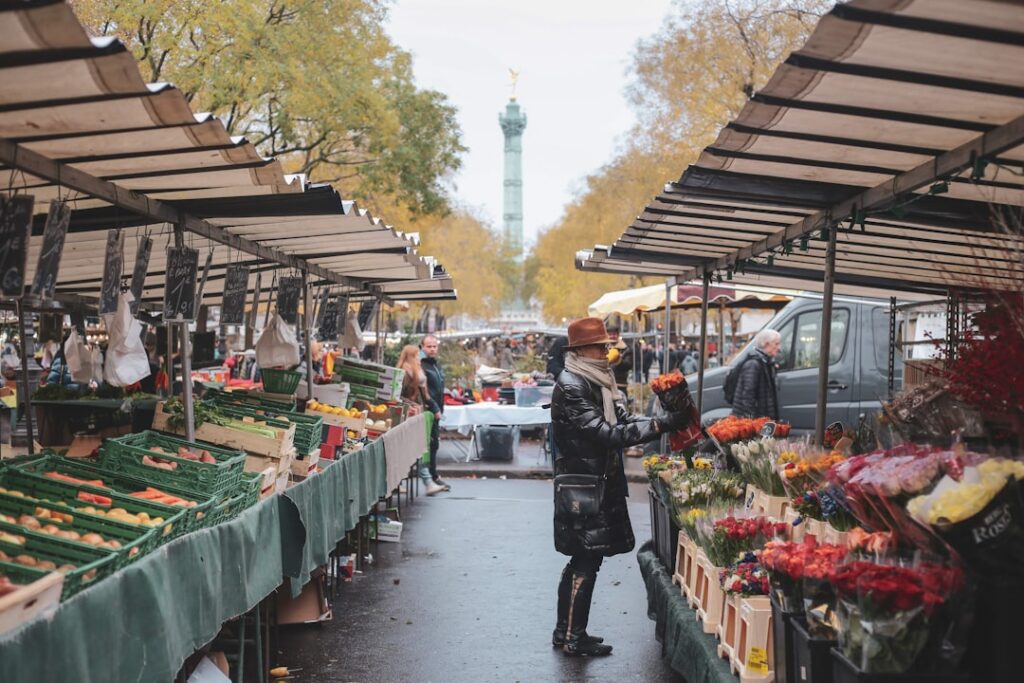
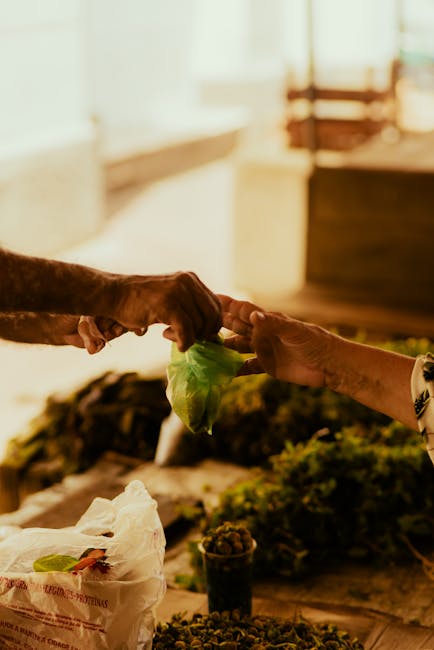
The Bastille market stretches along Boulevard Richard Lenoir, between Place de la Bastille and Place Léon Blum. It’s one of Paris’s largest outdoor markets and draws a mixed crowd: local families, chefs sourcing fresh ingredients and weekend shoppers. Approximate location: Boulevard Richard Lenoir, 75011 Paris (the market runs for several dozen meters). Days and hours: Sunday and Thursday mornings, generally 07:30–14:00 (times can vary slightly with the season).
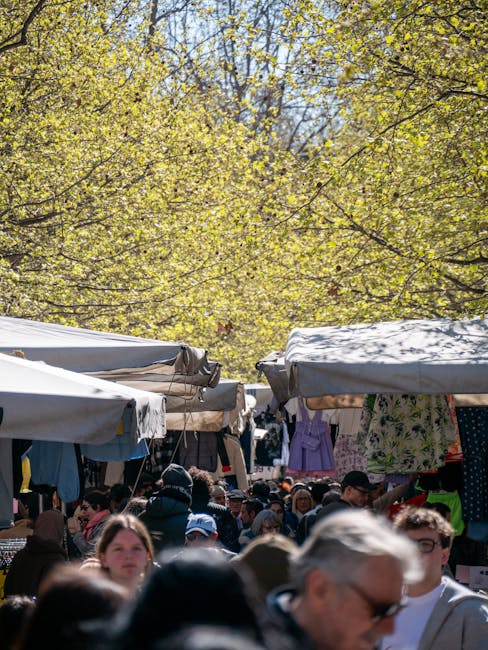
Price guide: a punnet of strawberries (500 g) €3–€6 depending on season; heirloom tomatoes €4–€6/kg; beef fillet (depending on origin) €18–€35/kg; a dozen oysters €18–€30; family-sized basket of organic vegetables €6–€10. Specialist stalls also sell gourmet items (extra virgin olive oil, flavored vinegars) around €8–€20 a bottle.
Why choose Bastille for cooking? For variety: you’ll find skilled fishmongers, several butchers offering grill-ready cuts, and greengrocers with heritage vegetables perfect for slow-cooked dishes. If you’re planning a convivial dinner (for example a fish plancha or a vegetable stew), Bastille lets you assemble the whole menu. For a quick lunch after shopping: try a tartine with fresh cheese from a stall, or a small savory pancake.
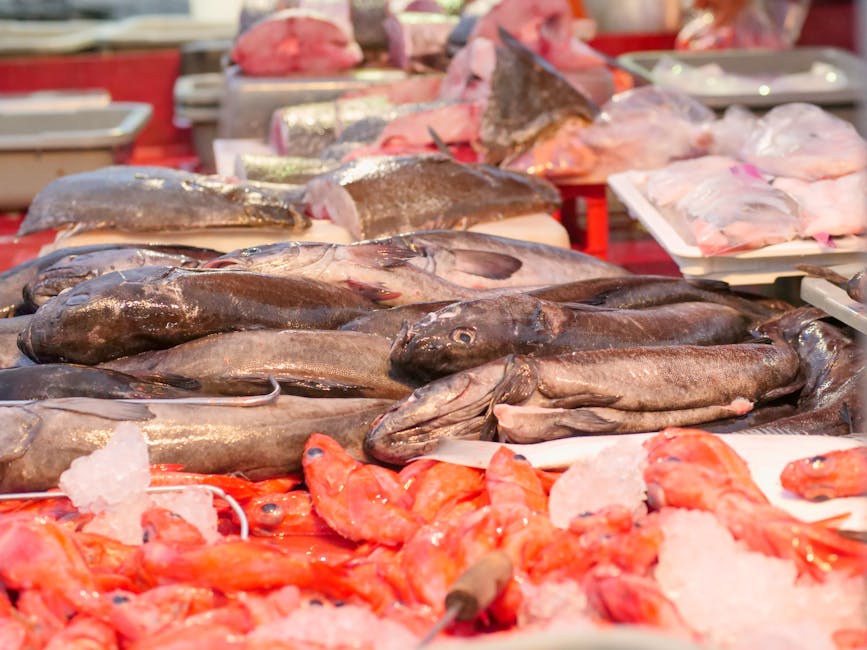
Neighborhood tip: avoid the crowds by arriving right at opening (07:30–08:30) or after 13:00 if you want a more relaxed atmosphere and occasional end-of-market reductions. For fish, ask the fishmonger about origin and landing date; a good fishmonger will happily open the fish to check freshness. If your rental has a small stove or oven, prioritize whole fish for grilling (wild-caught if possible) and ask the fishmonger to gut them.
3. Marché Mouffetard (Rue Mouffetard) — 75005 Paris
Rue Mouffetard is a historic artery in the 5th arrondissement where the street market is a daily (except Monday) gathering much loved by Latin Quarter residents and students. Location: Rue Mouffetard, 75005 Paris (between Place de la Contrescarpe and Place Georges-Mouthier). Typical hours: Tuesday to Sunday 08:00–14:00; closed on Monday (hours vary slightly with the seasons).
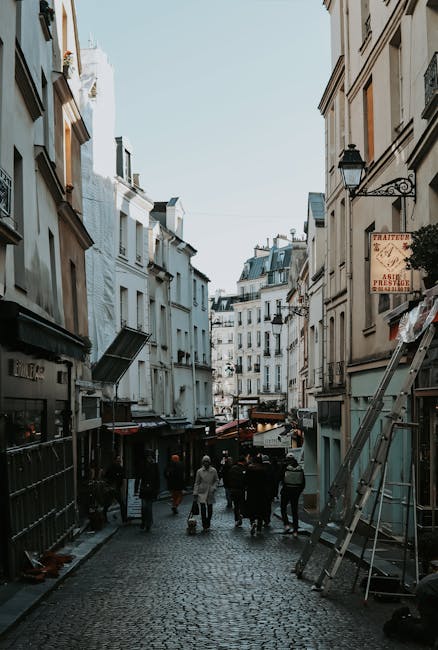
Mouffetard’s charm lies in its pedestrian atmosphere, family-run delicatessens and small specialty shops. Price guide: traditional baguette €1.10–€1.40; croissant €1.10; local goat cheese €4–€7 each; artisanal preserves €5–€12; homemade terrine €6–€12/kg. For an inexpensive lunch after shopping: budget €6–€12 per person if you assemble a plate with local charcuterie, artisanal bread and a piece of fruit.
Cooking with Mouffetard produce: this is the perfect spot for simple Mediterranean dishes—buy sundried tomatoes, olives, fresh basil and good cheese (like burrata or fresh mozzarella) for a refreshed caprese salad. For dinner, a simple recipe is to buy sardine or mackerel fillets from the fishmonger, marinate them with lemon and olive oil, and grill lightly. The little spice shops also offer blends that transform an ordinary dish fast.
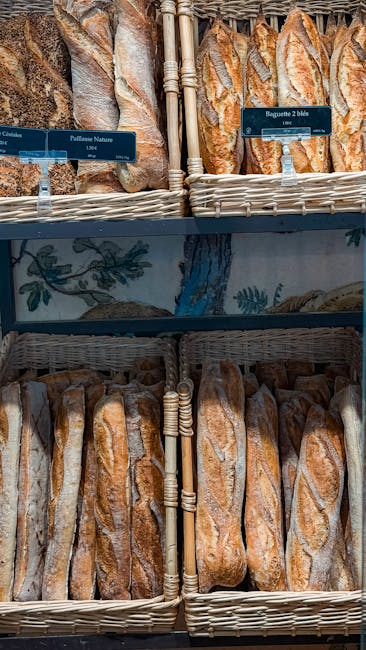
Local advice: Rue Mouffetard is very busy; if you want peace, visit on a weekday morning. Bring reusable bags and a small cooler for perishable items. If you pick up a few French phrases (for example “Je voudrais 500 grammes de tomates, s’il vous plaît”), vendors will gladly help with cooking suggestions tailored to what’s freshest.
4. Marché Raspail (Boulevard Raspail) — 75006/75007 Paris
Marché Raspail is famous for its Sunday organic market that draws people looking for certified, high-quality products often from small farms. Location: Boulevard Raspail (between Rue du Bac and Rue de Rennes), 75006 Paris. The organic market takes place Sunday mornings, generally 09:00–14:00; the regular food market may operate on other days depending on the season and local events.
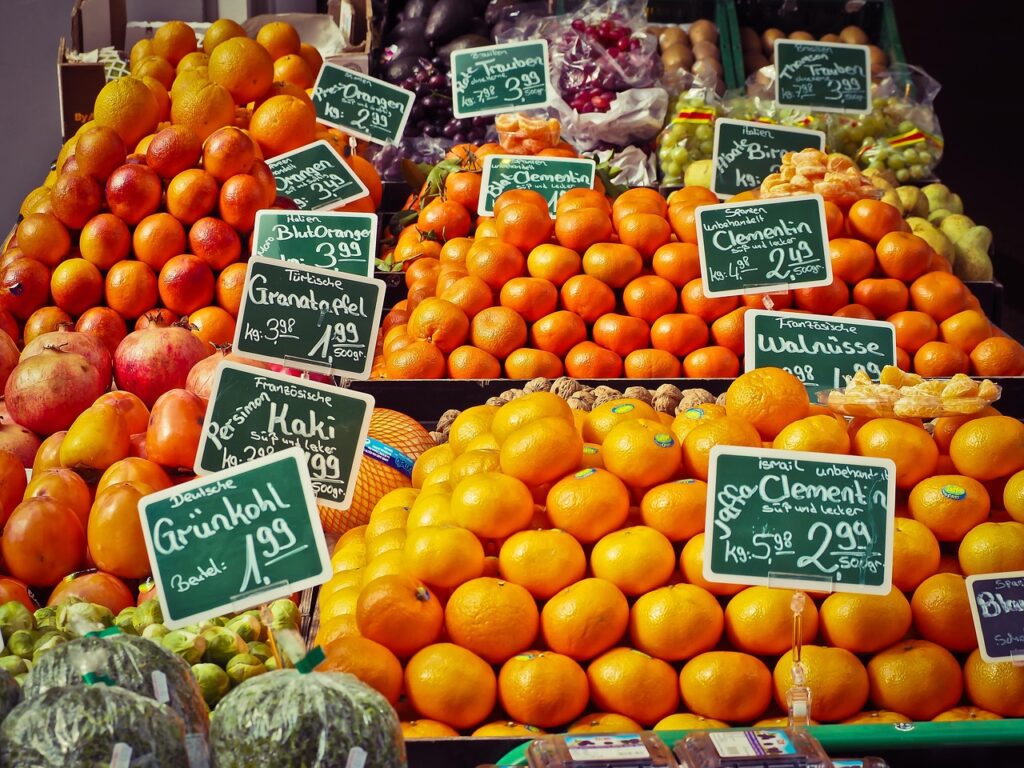
Price guide: a seasonal organic vegetable basket €8–€15; organic eggs (dozen) €4.50–€7; organic cheese (500 g) €6–€15 depending on aging; locally produced honey €7–€12 a jar; organic poultry (whole chicken) €15–€25 depending on label. These prices reflect the premium for organic farming and traceability.
Why choose Raspail to cook yourself? If you want a “clean” meal (no pesticides and full traceability), Raspail is a safe bet. It’s ideal for seasonal menus that highlight ingredient quality: root vegetables for a winter gratin, young shoots and early produce for spring salads, or rare herbs to perfume your dishes. Stalls often offer samples and advice on storing organic products (refrigeration times, freezing tips, ways to extend freshness).
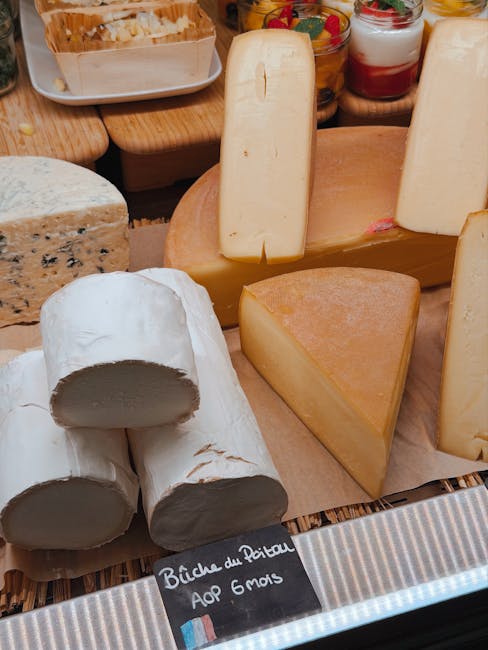
Practical tips: organic produce costs more, but you often buy directly from the producer. Don’t hesitate to ask how to cook an unfamiliar vegetable and taste cheeses before buying. Budget-conscious buyers can buy smaller quantities and top up with non-organic items at a supermarket. To keep fish or meat fresh until you return, consider a small insulated bag or plan the market as your last stop before heading back to your accommodation.
Conclusion: How to Make the Most of Your Market Shopping and Cook Like a Parisian
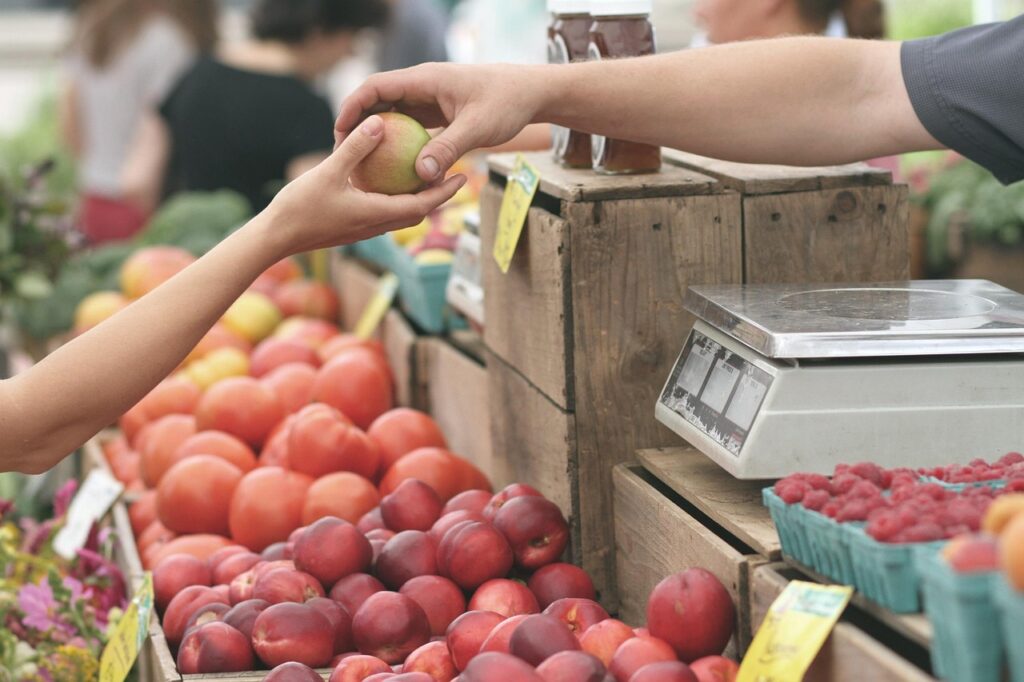
The neighborhood markets featured here—Marché d’Aligre, Bastille, Mouffetard and Raspail—each offer a complementary experience for anyone wanting to cook for themselves in Paris. Your choice of market will depend on priorities: budget and lively local atmosphere (Aligre), large variety and full provisioning (Bastille), street charm and small specialties (Mouffetard) or organic quality and traceability (Raspail). To turn your shopping into a culinary success, follow a few simple rules: plan your menu before you arrive, get there early for the best items, bring reusable bags and a cooler if you’re buying fish or meat, and chat with the vendors—their tips are often the key to a great dish.
On budget, a dinner for two made up of a simple starter (cheese or salad), a main (fish or poultry) and a fruit dessert can realistically stay within €30–€50 depending on your choices—especially if you rely on seasonal produce. Don’t forget small money-saving tricks: vendors sometimes reduce prices at the end of the market or offer promotions on bulk purchases. On the flip side, expect to pay more for organic or exceptional items (wild fish, rare aged cheeses)—that’s the price of quality and traceability.
Finally, the market is an open-air cooking school: watch the product pairings on stalls, note herbs and spices used by delicatessens, taste as you go to fine-tune seasonings, and favor short recipes that respect the freshness of the ingredients. Whether you’re a seasoned cook or a kitchen novice, these Paris neighborhood markets will let you compose meals full of flavor and stories. Good shopping, bon appétit—and above all, take the time to savor the market experience as much as the meal itself.