





Introduction — Why timing matters when visiting Paris and its monuments
Paris draws millions of visitors every year: international tourists, business travelers, holidaying families and locals from nearby regions. The city’s landmarks — the Eiffel Tower, the Louvre Museum, the Musée d’Orsay, Notre-Dame de Paris, the Sainte-Chapelle and the Arc de Triomphe — are unmissable, but they often suffer from heavy crowds. Picking the right time to visit transforms the experience: more peace, better photos, a deeper appreciation of history and architecture, and sometimes shorter queues that free up time to explore more neighborhoods.
This guide aims to help you pinpoint the best periods and times of day to enjoy Paris’s monuments with fewer people around. It’s written for a general audience: independent travelers, couples, families or busy professionals. You’ll find practical recommendations (which weekdays and time slots to favor), factual info (exact addresses, usual opening hours, prices in euros) and local tips to optimize your visit (where to buy tickets, which entrances to use, how to dodge large tour groups).
We focus on straightforward, actionable advice: avoid weekends and busy afternoons during high season, aim for opening and closing times, visit outside peak months (spring and summer) when possible, and take advantage of “shoulder” months like November, January and February. The guide also flags public holidays and special periods (Christmas, Easter, European Heritage Days) that can dramatically alter visitor flows.
Finally, you’ll find recommendations for each major monument: full address, indicative prices in euros, typical opening hours and immersive descriptions to help you picture the visit before you set off. These details were accurate when written, but it’s wise to double-check official sites a few days before your trip since museums and monuments may change access rules for seasonal work, renovations or special events.
When to visit overall: seasons, days and time slots to favor
To minimize crowds in Paris, three main factors should guide your plan: season, day of the week and time of day. Seasonally, high tourism runs from mid-May to mid-September, peaking in July–August. The quietest months are November, January and February (outside school holidays and festive periods), followed by March–April and October. In winter, Paris is less crowded and monuments still retain their charm — the cool air often gives historic façades a special light.
As for weekdays, avoid Saturdays and Sundays for central museums and attractions: those are peak days for both international visitors and local day-trippers. Aim for Mondays, Wednesdays and Thursdays; note that some museums close on Tuesdays (for example, the Louvre Museum is closed on Tuesdays), so plan accordingly. Opening hours are often the calmest: arriving 30–45 minutes before official opening usually gets you among the first inside. The 4pm–6pm window can also be quieter in some museums if most visitors concentrate in the morning.
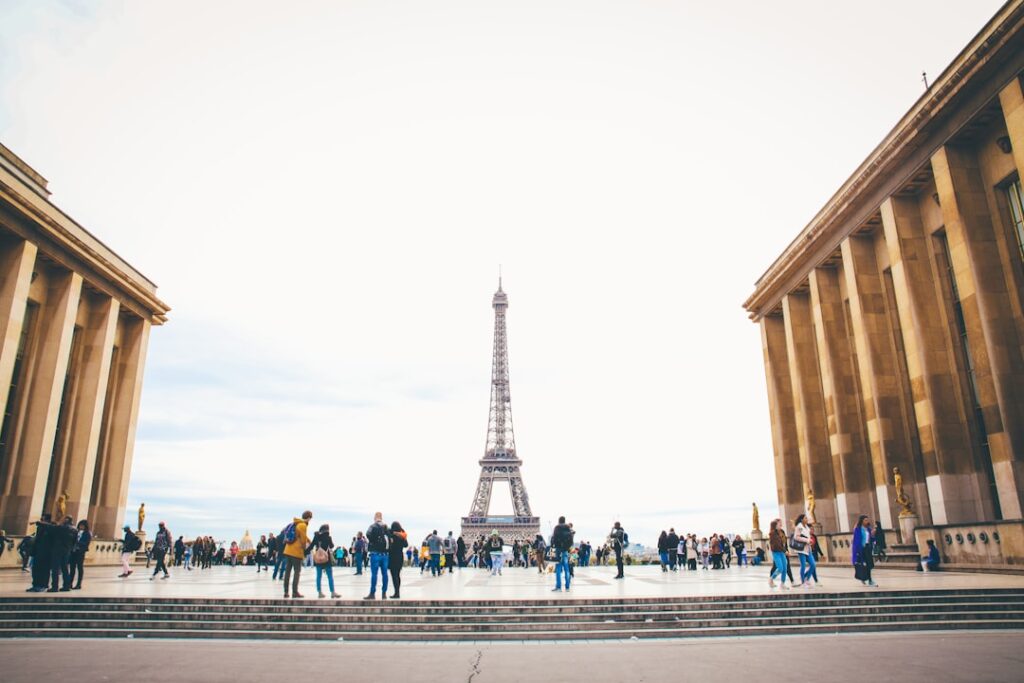
For outdoor monuments (Eiffel Tower, Arc de Triomphe, Champs-Élysées), the very early morning (7am–9am) and late evening (after 9pm when accessible) are the best times to avoid crowds and get clean shots without dozens of people in the foreground. If you’re after atmosphere and illuminated views, summer evenings remain busy, often well into the night.
Practical tips:
- Book online: most monuments offer timed entry tickets (Eiffel Tower, Louvre, Musée d’Orsay). Buying a slot in advance usually avoids long ticket lines.
- Skip big group tours: organized tours tend to move large numbers of people to main highlights at set times. If you prefer quiet, opt for an audio guide or self-guided visit.
- Check closing days: each museum has a weekly closure day (e.g., Musée d’Orsay closed Monday, Louvre closed Tuesday).
- Use evening openings: some museums (the Louvre on selected evenings, Musée d’Orsay on certain Thursdays) run late openings where crowds can be lighter after 8pm, though hours and programing vary.
Eiffel Tower and Arc de Triomphe: avoiding peak times
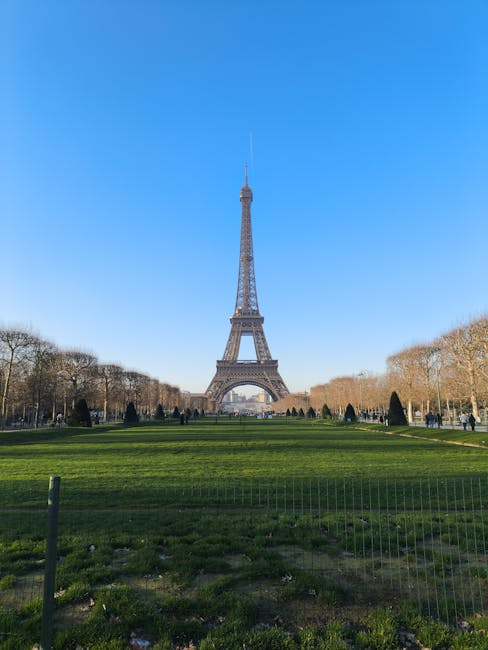
Eiffel Tower — Champ de Mars, 5 Avenue Anatole France, 75007 Paris. The Eiffel Tower is typically open from around 9:30am to 11:45pm (hours vary by season; last access to the summit is slightly before closing). Indicative prices: elevator access to the 2nd floor around €19.50 for an adult, summit access by elevator around €29.30. Reduced rates and free entry exist for youth and certain categories. It’s strongly recommended to buy a dated, timed ticket online via the official site ticket.toureiffel.paris to avoid ticket lines.
To avoid the crowds: arrive at opening (9:30am) or late in the day after 9pm. Weekday mornings, especially in low season (November–February), see noticeably fewer people on the Champ de Mars and at the lifts. Avoid the 11am–4pm window in summer, which is the busiest. Organized tour groups often arrive mid-morning and early afternoon.
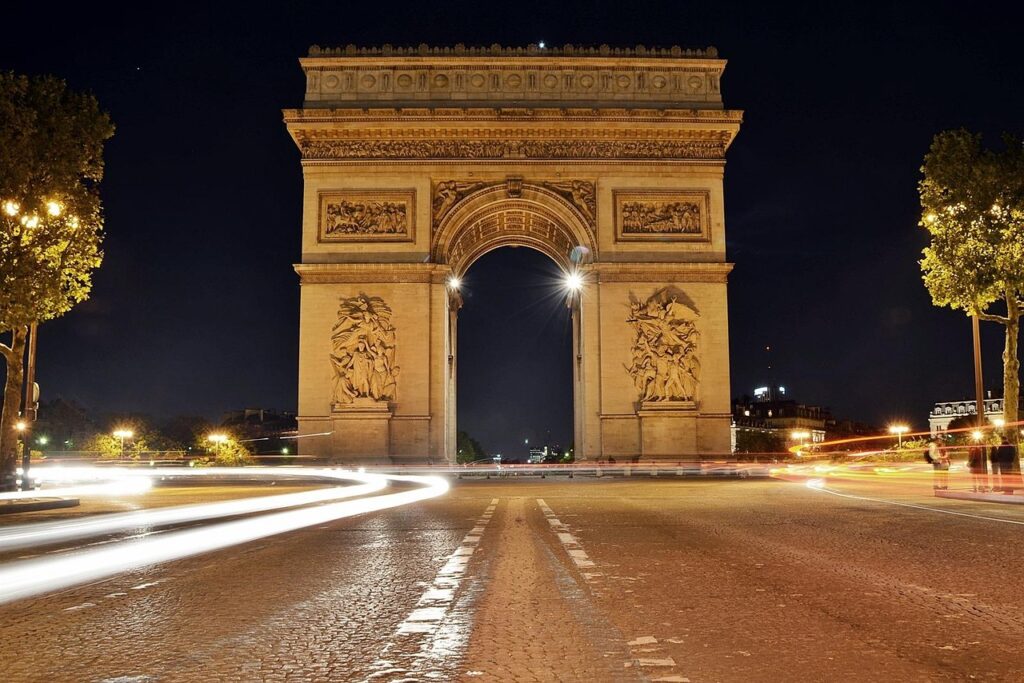
Arc de Triomphe — Place Charles de Gaulle (Place de l’Étoile), 75008 Paris. Hours: generally 10:00am–10:30pm (seasonal hours). Price: entry around €13.00 for adults. To cut waiting time, use the pedestrian tunnel that leaves the square (accessible from the pavement on the Avenue de la Grande Armée side) and buy your ticket in advance if possible. The Arc offers panoramic views down the Champs-Élysées and along the city’s historic axis (Arc de Triomphe → Louvre); sunrises and sunsets are spectacular and usually less crowded on weekdays outside school holidays.
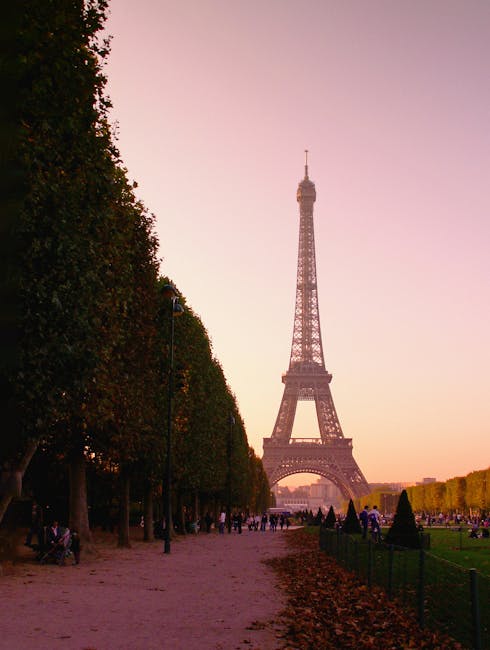
Local tips: to avoid crowds around the Eiffel Tower, stroll through the Champ de Mars park early in the morning or during the blue hour (after 10pm when the lights sparkle). For the Arc de Triomphe, favor early weekday afternoons or late afternoons in winter, when visitor numbers taper off.
Louvre Museum and Musée d’Orsay: strategies for major museums
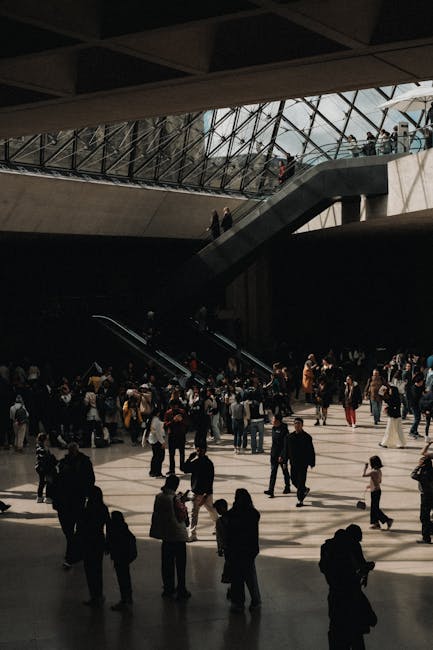
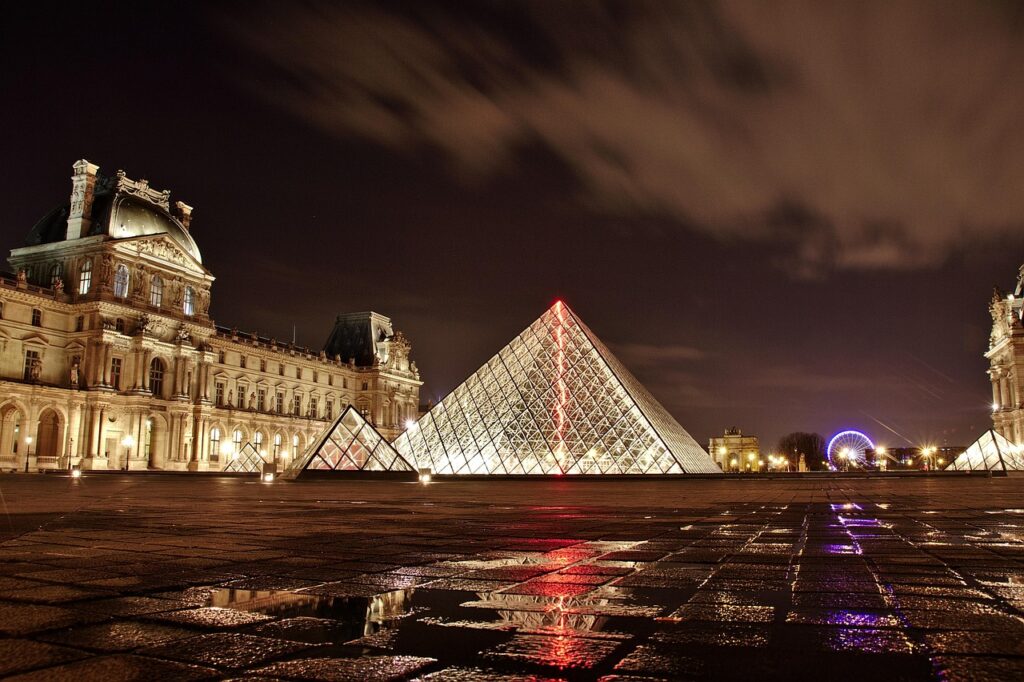
Louvre Museum — Rue de Rivoli, 75001 Paris. Typical hours: Wednesday, Thursday, Friday, Saturday and Sunday 9:00am–6:00pm; Monday 9:00am–6:00pm; closed Tuesday. Indicative price: €17.00 for a standard online ticket to the permanent collections; free for under-18s and certain categories. Main entrance: the Louvre Pyramid (Place du Carrousel). Despite its vast size, key rooms (the Mona Lisa’s salon, the Salon Carré) can get crowded — the best tactic is to arrive at opening or book the earliest time slot available (arrive 30 minutes before official opening to be among the first).
Visiting the Louvre with fewer people: avoid Wednesday and Friday evenings, which often attract late openings and larger crowds. Weekday mornings (Wednesday, Thursday) are ideal. In low season (November–February) afternoons stay relatively quiet except during school holidays. Tip: start in the less-trafficked wings (Denon or Sully depending on your route) and keep the Mona Lisa for last — crowds tend to concentrate on classic circuits early on.
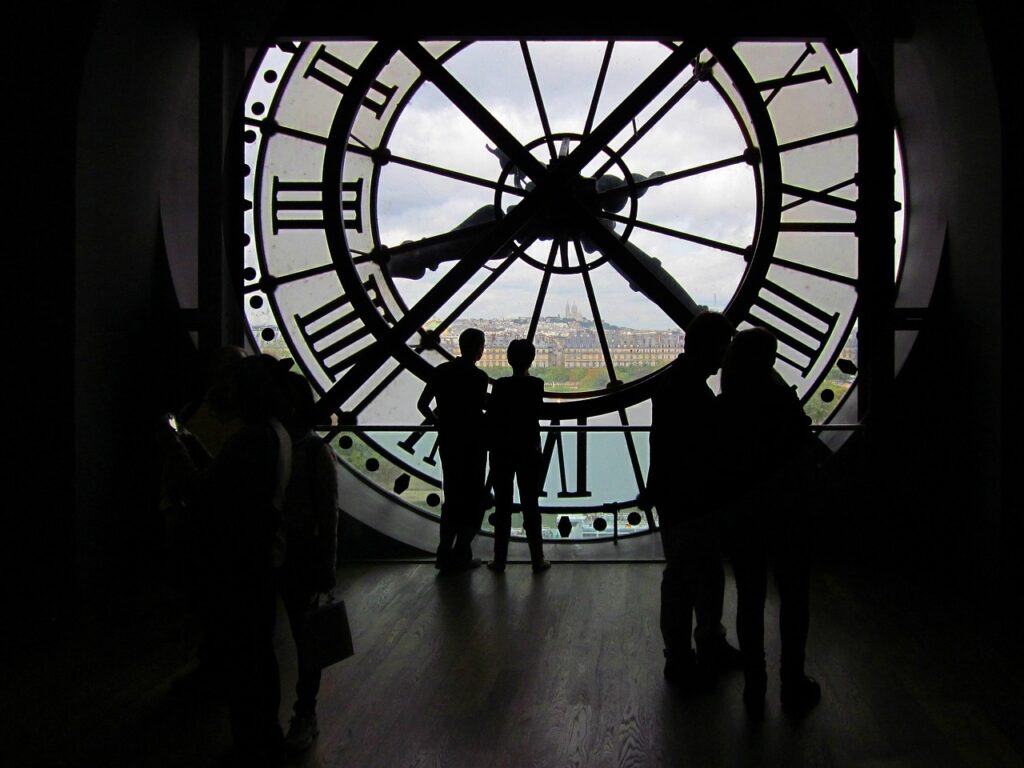
Musée d’Orsay — 1 Rue de la Légion d’Honneur, 75007 Paris. Hours: usually open Tuesday to Sunday 9:30am–6:00pm (Thursday late opening until 9:45pm); closed Monday. Indicative price: €16.00 for an adult ticket. Housed in a former railway station, the Musée d’Orsay contains an outstanding collection of Impressionist and Post-Impressionist art. Thursday evenings (late opening) can be strategic: fewer families and school groups, a quieter atmosphere and special interior lighting that’s great for photography.
Practical tips: buy timed tickets online; security checks are still required but access is faster with a dated ticket. For both museums, avoid French school holidays (typically two weeks in February, April and around Christmas). If you want a more intimate visit, schedule it on a weekday outside school breaks, early in the morning or during late openings (Thursday for Orsay, selected evenings at the Louvre according to their special calendar).
Île de la Cité: Notre-Dame, Sainte-Chapelle and the Conciergerie — calm and immersion
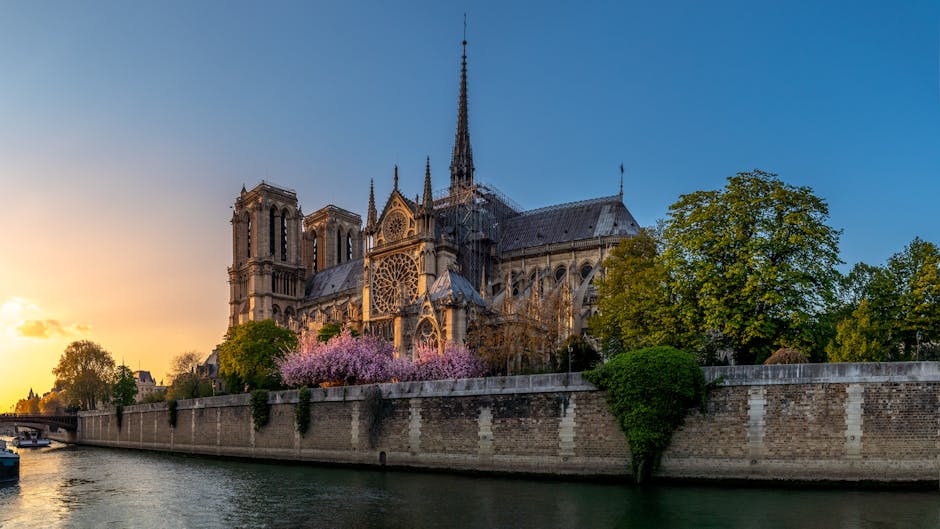
Notre-Dame de Paris — 6 Parvis Notre-Dame – Pl. Jean-Paul II, 75004 Paris. Since the 2019 fire, access to the cathedral’s interior has been limited due to restoration work; however the island and the forecourt remain important viewing spots. Access to the forecourt is generally open 24/7 for exterior views; interior visits and the archaeological crypt reopen progressively with specific hours — check the cathedral’s official website for post-restoration updates.
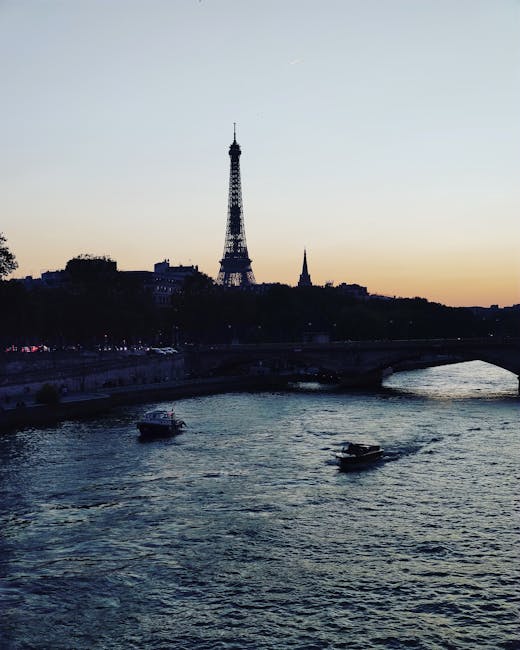
Tip to avoid crowds: Île de la Cité gets very busy between 10am and 5pm; for a quieter, more contemplative experience, visit early in the morning (6:30am–9am) or late at night. A sunrise stroll along the Seine’s quays (right and left banks) offers clear views of Notre-Dame and beautiful reflections on the water.
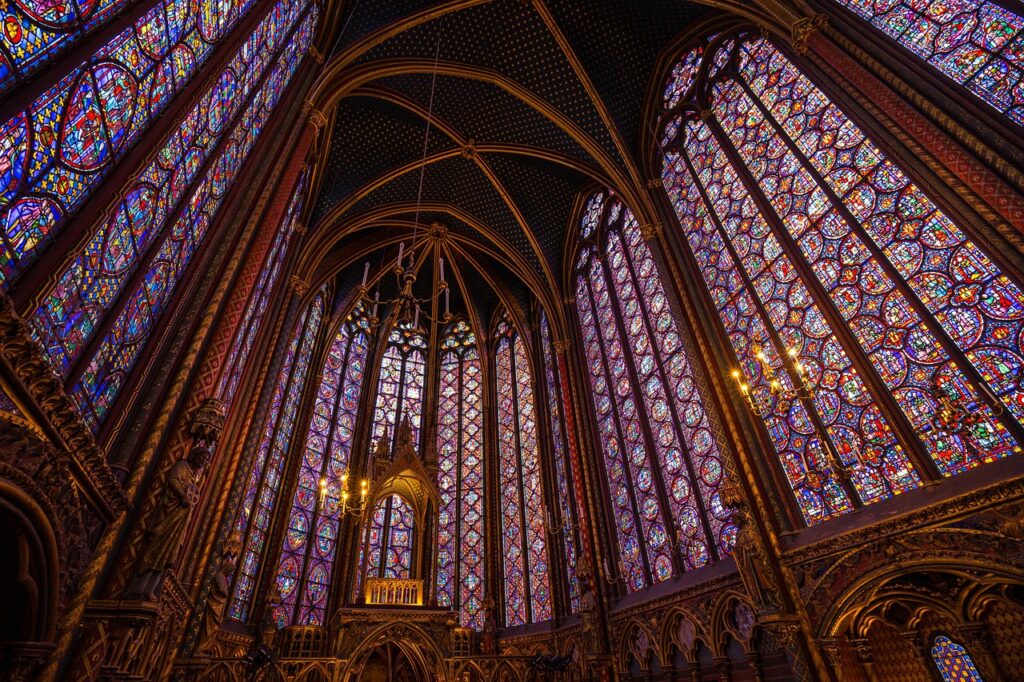
Sainte-Chapelle — 10 Boulevard du Palais, 75001 Paris. Hours: typically 9:00am–7:00pm (seasonal variations). Indicative price: €11.50 for access to the upper chapel (reduced rates for certain categories). Sainte-Chapelle is famous for its stunning stained glass; morning light transforms the whole space — favor the first hour after opening on a weekday to enjoy a nearly private experience.
The Conciergerie — 2 Boulevard du Palais, 75001 Paris. Hours: usually open 9:30am–6:00pm (seasonal hours); indicative price: €9.50. Once a royal residence and later a revolutionary prison, the Conciergerie offers a powerful historic atmosphere. For a calm, reflective visit, aim for mid-day in low season or a weekday morning. School groups often arrive in late morning.
Local tip: combine all three sites early in the day. Start at the Conciergerie, then move up to Sainte-Chapelle and finish on Notre-Dame’s forecourt for a chronological and artistic progression. The lanes around the flower market (Square René Viviani-♥-Jacques) are rarely packed and provide a quiet breather between monuments.
Additional practical tips and local tricks for a low-crowd visit
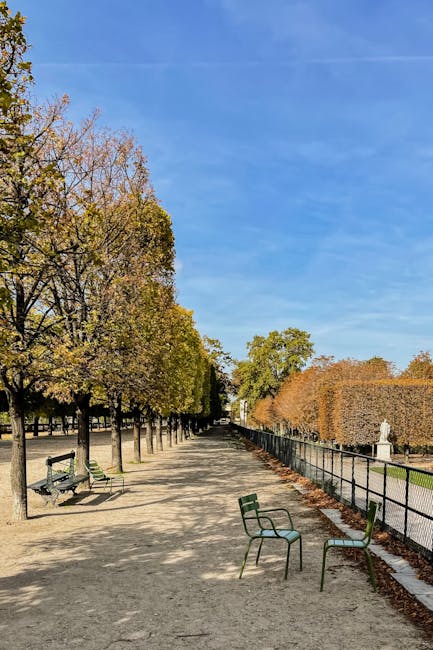
Here’s a roundup of local tricks to boost your experience relative to the crowds: planning, transport, food and lesser-known alternatives.
- Planning and tickets: always book paid entries online (Eiffel Tower, Louvre, Orsay, Sainte-Chapelle). Favor opening slots and late openings when available. Fast-track tickets exist but do not guarantee zero wait (security checks are mandatory).
- Transport: use the metro (nearby stations: Trocadéro, Champ de Mars-Tour Eiffel RER C for the Eiffel Tower; Palais Royal – Musée du Louvre for the Louvre; Solférino/Musée d’Orsay for Orsay; Cité for Île de la Cité). Avoid rush hours (8am–9:30am and 5:30pm–7:30pm) for smoother journeys.
- Meals and breaks: eat outside peak meal times (lunch 12pm–2pm) to dodge crowds in cafés near landmarks. Neighborhood bakeries open early and are great for quick breakfasts; for a relaxed lunch choose side streets rather than tourist avenues.
- Lesser-known alternatives: visit nearby, quieter spots like the Musée de l’Orangerie (Tuileries Garden, Rue de Rivoli), the Musée Rodin (77 Rue de Varenne, 75007 Paris, about €13), or the Musée Jacquemart-André (158 Boulevard Haussmann, 75008 Paris, about €15) — often calmer but equally rewarding culturally.
Finally, stay flexible: weather and local events (demonstrations, unexpected closures, Heritage Days) can change crowd patterns. A smart habit is to check official monument websites the evening before and to verify transport conditions on local apps the morning of your visit.
Conclusion — Travel smart for a richer Paris experience
Seeing Paris without being swallowed by crowds is doable with a bit of organization and local know-how. Choosing the right season (November–February for the calmest experience outside holidays), avoiding weekends and peak times, favoring opening and closing slots and booking tickets online can radically change how you experience the city. Major sites like the Eiffel Tower (5 Avenue Anatole France, 75007 Paris), the Louvre (Rue de Rivoli, 75001 Paris), Musée d’Orsay (1 Rue de la Légion d’Honneur, 75007 Paris), Sainte-Chapelle (10 Boulevard du Palais, 75001 Paris) and the Conciergerie (2 Boulevard du Palais, 75001 Paris) remain must-see, but they can be enjoyed more deeply when the crowds thin out.
Keep in mind that the prices shown in this guide (Eiffel Tower ~€19.50/2nd floor, ~€29.30/summit; Louvre ~€17.00; Musée d’Orsay ~€16.00; Sainte-Chapelle ~€11.50; Conciergerie ~€9.50) are estimates and may change. The typical opening hours provided are reference points — always check official sites for updates and bookings. Finally, mix popular monuments with quieter spots — smaller museums, park strolls and walks along the Seine — to enrich your trip without the downsides of crowds.
Traveling smart in Paris also means accepting that some attractions will always draw significant numbers: the key is to be flexible, plan, and seize quiet moments when they present themselves. That way you’ll experience a more intimate Paris, perfect for contemplation, great photography and real discovery. Safe travels and enjoy your visits!