





Introduction: Why Pair the Louvre with Montmartre to Discover Paris
Visiting Paris often means juggling competing impulses: to marvel at some of the world’s most famous art collections, to wander picture‑perfect neighborhoods, and to chase authentic moments off the well‑worn tourist track. The Louvre–Montmartre combo strikes a great balance between those two poles: on one hand the Louvre, a cathedral of Western heritage and a laboratory of modern museology; on the other, Montmartre, the bohemian hill where old‑time Parisian spirit mixes with winding lanes, cafés and artists’ studios.
This guide is written for every kind of trip: whether you have an hour between appointments, a half‑day for culture, a full day devoted to art, or a longer stay in Paris. You’ll find practical, precise information: exact addresses, current opening times, prices in euros, access options (metro, bus, walking), tips for skipping queues, suggested routes, restaurant and café picks, and local tricks to make your visit more comfortable and authentic.
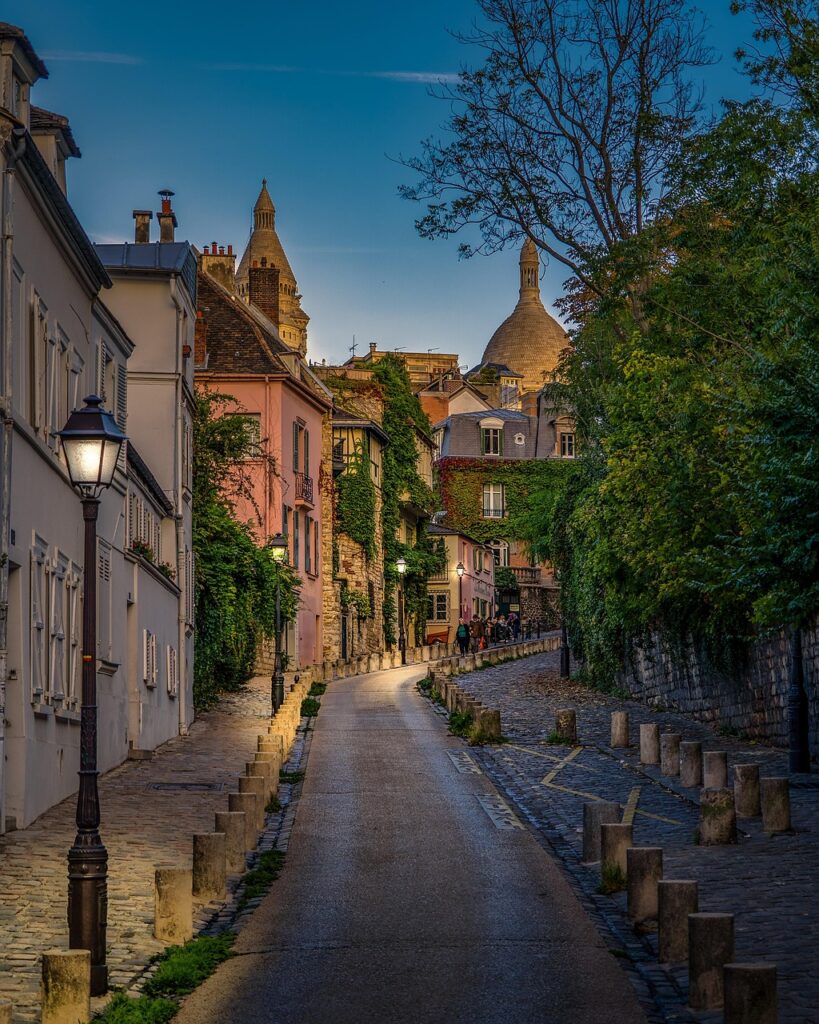
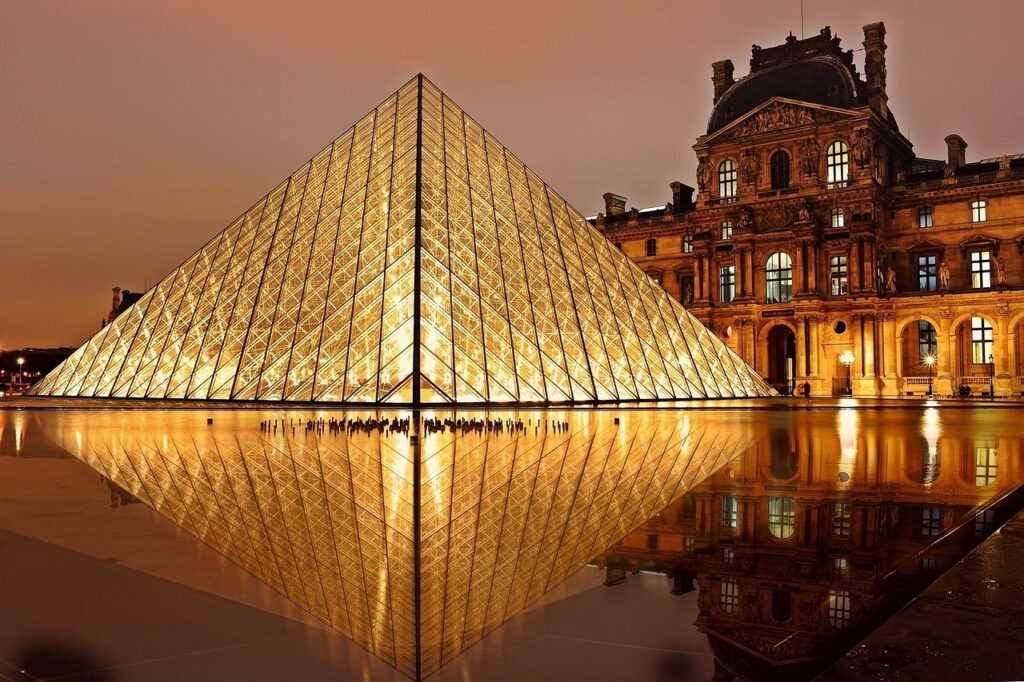
The Louvre (Musée du Louvre, Rue de Rivoli, 75001 Paris) houses over 38,000 works on permanent display across 60,600 m² of exhibition space. Its glass pyramid by I. M. Pei has become as iconic as the paintings and sculptures inside. Montmartre, with the Basilica of the Sacré‑Cœur (35 Rue du Chevalier de la Barre, 75018 Paris), Place du Tertre, the Musée de Montmartre (12 Rue Cortot, 75018 Paris) and its stairways and passages, offers a very different mood: panoramic views, shady little squares and artists’ ateliers. The two areas complement each other, whether it’s your first time in Paris or you’re returning to dig deeper into the city.
In this guide you’ll find visit strategies tailored to different profiles (time‑pressed tourists, art lovers, families with kids, visitors with reduced mobility), practical, time‑optimized routes, food recommendations and seasonal advice. Prices and opening hours are provided so you can plan without surprises, but they can change: always check official sites before you head out.
1. The Louvre in Practice: Addresses, Opening Hours, Prices and Tips for a Successful Visit
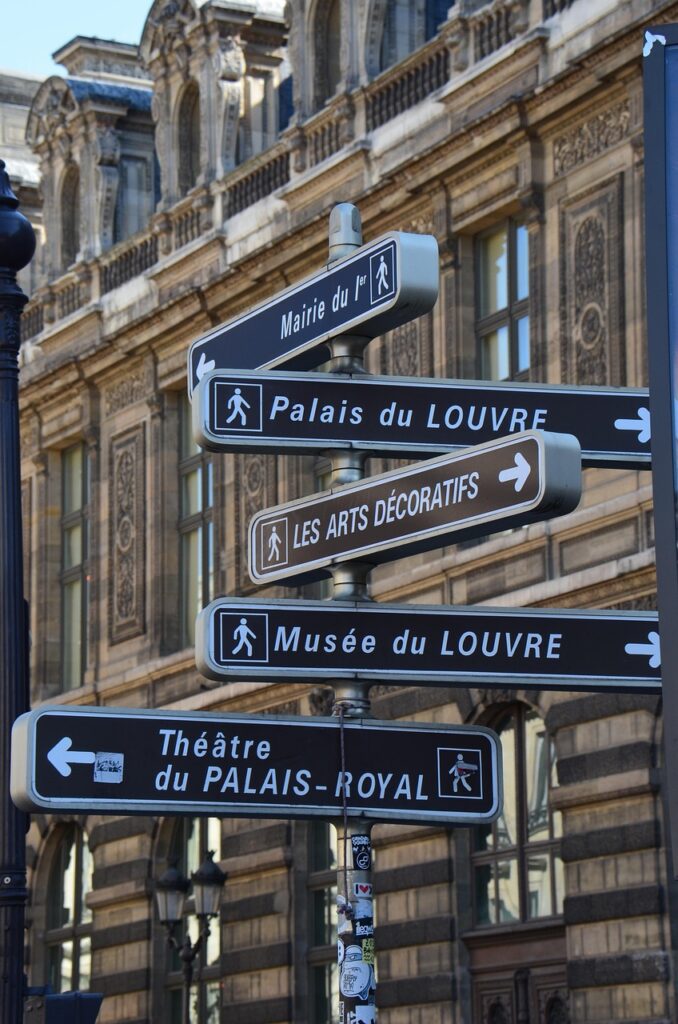
The Musée du Louvre (official name: Musée du Louvre) is located on Rue de Rivoli, 75001 Paris. The best‑known entrance is the Louvre Pyramid on Place du Carrousel, but there are several entry points (Pyramid, Porte des Lions, Carrousel du Louvre), each with its own access and queue characteristics.
- Main address: Musée du Louvre, Rue de Rivoli, 75001 Paris.
- Main entrance: Louvre Pyramid, Place du Carrousel, 75001 Paris.
- Standard opening hours: Wednesday, Thursday, Friday, Sunday: 9:00 – 18:00; Wednesday: late opening until 21:45; closed on Tuesdays (check for exceptions and public holidays).
- Indicative prices: standard adult ticket ≈ €17 (timed entry reserved online); free admission for under‑18s and for EU residents aged 18–25 (ID required); reduced rates for disabled visitors and a companion; audio guides and guided tours are extra (audio guides from about €5–7, group guided tours ≈ €50–80 depending on length and theme).
- Security and checks: security screening is mandatory at the entrance; large bags and suitcases are not allowed inside and must be left in paid cloakroom facilities, so it’s best to avoid bulky luggage.
Practical tips:
- Book your ticket online for a specific time slot to avoid the outdoor queue. Prices are often the same, but a reservation guarantees access at your chosen time.
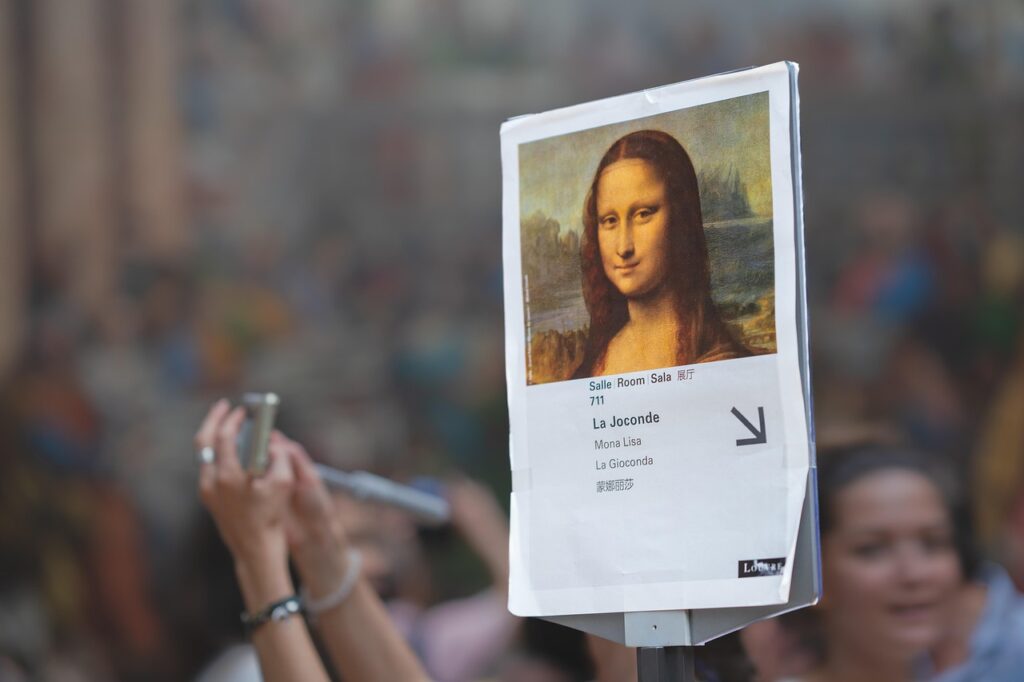
- Go early or visit during the Wednesday late opening: mornings (or the Wednesday evening) are usually less crowded in major rooms like the Galerie d’Apollon and the Mona Lisa (La Gioconda, Mona Lisa, 1503–1506, by Leonardo da Vinci).
- Set your priorities: the Louvre is huge — focus on 3–5 highlights (e.g., the Mona Lisa, the Venus de Milo, the Winged Victory of Samothrace, the Egyptian collections, the Galerie d’Apollon) rather than trying to see everything in one go.
- Use a map and the official app: download the museum map or grab one at reception. The app offers themed routes (painting, sculpture, antiquities) to help you navigate.
- Guided options: hire a specialist guide for a specific focus (Renaissance, Egyptian antiquities) — they cost more but provide depth and context that enrich the visit.
Food and downtime: there are several spots for a break: Café Richelieu‑Angelina (2nd floor, near the Richelieu wing), Le Café Marly (93 Rue de Rivoli, 75001 Paris — note: independently run with views over the Louvre courtyard; mains roughly €25–40), and museum shops for souvenirs and publications.
2. Visit Strategies by Timeframe: 1 Hour, Half‑Day, Full Day, Families, Accessibility
A trip to the Louvre can be tailored to almost any schedule. Below are concrete plans and rough timings to optimize your experience based on how much time you have and what type of visitor you are.
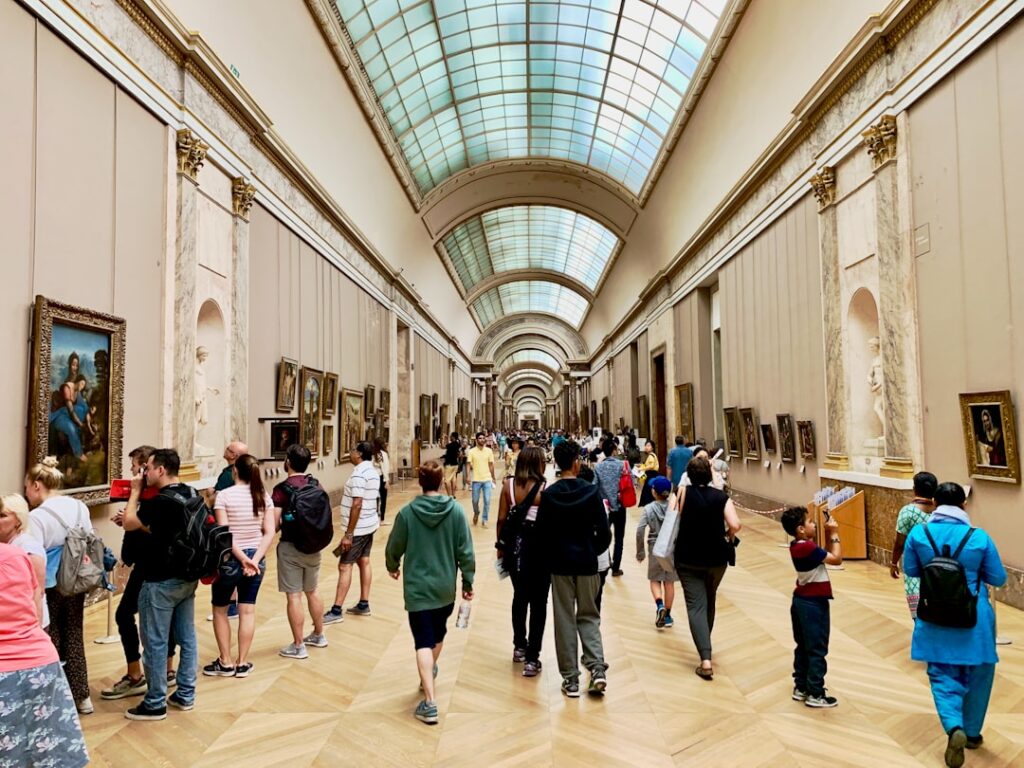
- Express visit (1 hour): stick to exterior photos at the Pyramid, then head straight to the Denon Wing’s Grande Galerie where the Mona Lisa hangs (room 711 on some maps). From there, move to the Winged Victory of Samothrace (Daru stairs, Denon) and the Venus de Milo (Greek antiquities, Sully). Risks: heavy crowds and a very rushed experience, with no time for detailed interpretation.
- Half‑day (3–4 hours): enter via the Pyramid, visit the Mona Lisa first, then explore the major wings (Denon for paintings, Sully for antiquities, Richelieu for decorative arts). Coffee break at Café Richelieu‑Angelina or Café Mollien if it’s open. Optional: a discovery workshop for kids (check the museum’s education calendar).
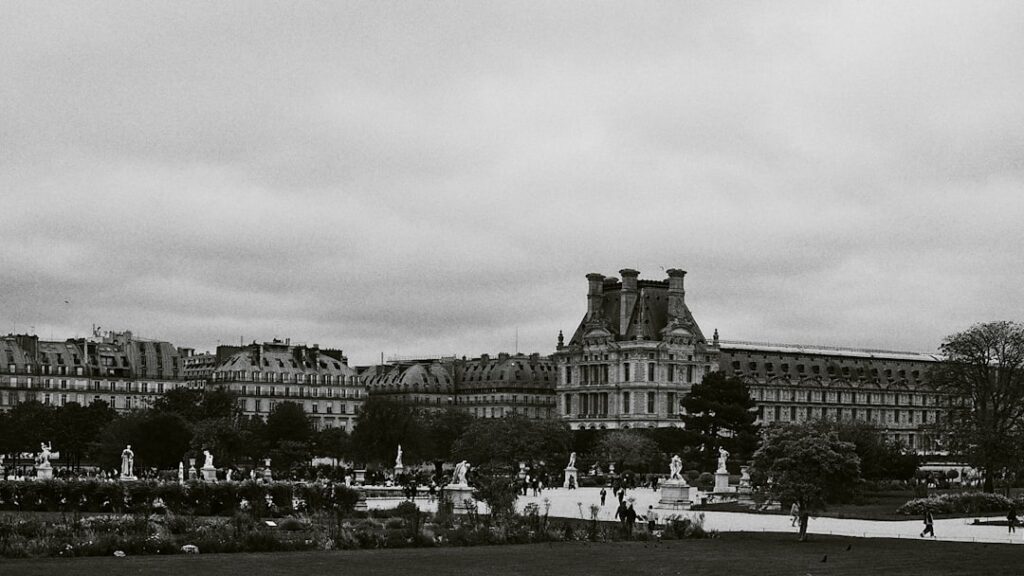
- Full day (6–8 hours): start early, follow a themed route (e.g., Egyptian antiquities → Islamic art collection → European paintings), have lunch inside or on Rue de Rivoli. Make time for the Galerie d’Apollon and the historic apartments, then end with a stroll through the nearby Tuileries Garden.
- Family visit: opt for playful routes and workshops offered by the museum (specific prices and times on the official site). Pack snacks — food isn’t allowed in exhibition rooms, but there are resting zones and adjacent gardens (Jardin des Tuileries).
- Accessibility: the Louvre is partly accessible for visitors with reduced mobility: elevators and adapted routes are available (ask at reception). Companion tickets may be free in some cases — check conditions and present documentation.
Quick tips for everyone:
- Avoid weekends and school holidays if you can — quieter times are Tuesday mornings after opening and Wednesday evenings.
- Wear comfortable shoes and carry a light bag: there’s a lot of walking and sometimes stairs.
- If you plan to take photos, respect no‑photo zones (some temporary exhibitions) and avoid flash near sensitive works.
- Consider a themed guided tour: it costs more but brings historical and artistic context that’s hard to get on your own.
3. Montmartre: A Detailed Exploration of the Bohemian Hill — Addresses, Opening Hours, Prices and Routes
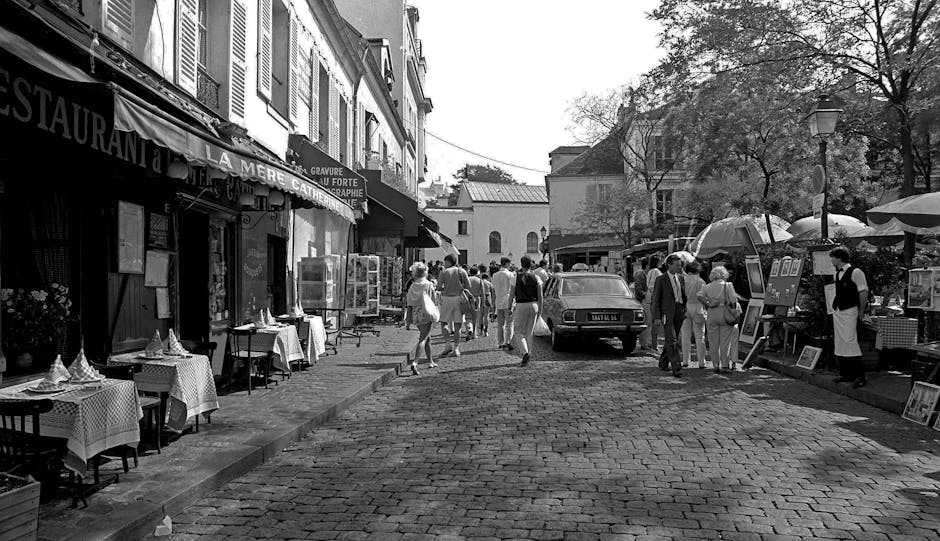
Montmartre is a neighborhood apart in Paris: a hill that for centuries was a hideout for artists and cabarets. The must‑see spots cluster around the summit and the surrounding lanes. Here’s the practical information to plan an immersive visit.
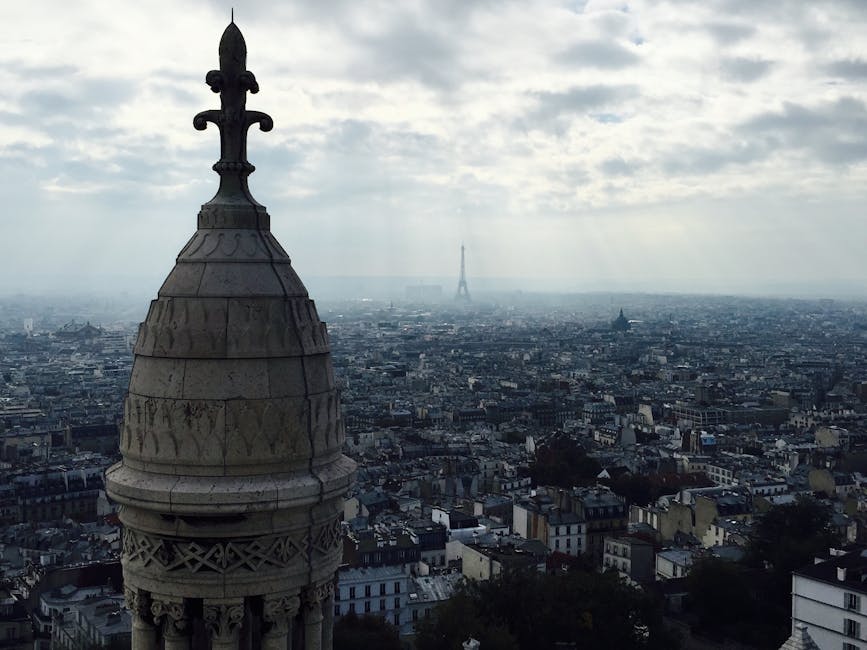
- Basilica of the Sacré‑Cœur — Address: Basilica of the Sacré‑Cœur, 35 Rue du Chevalier de la Barre, 75018 Paris. Opening hours: usually open daily from 6:00 to 22:30 (access to the basilica is free). Access to the dome: about €6 to climb to the cupola (indicative price — payable on site), often open from around 10:00 to 17:00 depending on the season; closing times may vary.
- Place du Tertre — outdoor painters and portraitists, located right next to Sacré‑Cœur, free access, 75018 Paris. Perfect for a quick portrait or a postcard‑perfect atmosphere.
- Musée de Montmartre — Address: 12 Rue Cortot, 75018 Paris. Opening hours: usually 10:00 – 18:00, sometimes closed on Mondays; check the official site. Prices: adult entry ≈ €12, reduced rates for students/seniors.
- Le Bateau‑Lavoir (historic quarter) — historic ateliers and old façades on Rue Ravignan / Place Émile Goudeau — outdoor walk is free.
- The Montmartre vineyards — Clos Montmartre, Rue des Saules: a small historic vineyard; visits may be possible during events (annual grape harvest), with free access to the exterior site.
Suggested walking route:
- Climb the hill from Anvers (metro line 2) or Abbesses (line 12) — Abbesses drops you right into the scenic lanes (very photogenic but many stairs).
- Walk up Rue des Abbesses, browse the little shops, stop by Place Dalida (statue and shallow steps perfect for photos).
- Continue to Place du Tertre for the painters’ atmosphere, then climb the Sacré‑Cœur steps for a panoramic view over Paris.
- Descend via Rue Lepic or Rue des Martyrs if you want to explore bakeries and local shops (e.g., the boulangerie Le Grenier à Pain, check the exact address for what appeals to you).
Recommended restaurants and cafés:
- Le Consulat — 18 Rue Norvins, 75018 Paris (touristy but historic atmosphere, mains ≈ €15–30).
- La Maison Rose — 2 Rue de l’Abreuvoir, 75018 Paris (an iconic photo‑op restaurant; prices vary ≈ €20–45).
- Le Refuge des Fondus — 17 Rue des Trois Frères, 75018 Paris (friendly vibe; fondues ≈ €15–30), often cramped and popular — expect a queue.
Local tips for Montmartre:
- Allow time for the stairs: Montmartre is steep and can be challenging for people with reduced mobility — use the Montmartre funicular (1 Rue Foyatier, 75018 Paris — a valid metro ticket works for the funicular) to reach the basilica without the climb.
- Be wary of overly touristy restaurants around Place du Tertre: quality varies; look for places a little off the main square for better value and quality.
- Morning light or sunset offers exceptional views from the Sacré‑Cœur steps — excellent for photography.
- Night visits: Montmartre stays lively after dark but is less crowded; keep an eye on your belongings in the busiest tourist spots.
4. Combining the Louvre and Montmartre: Logistics, Transport and Itineraries from a Half‑Day to Two Days
Pairing a Louvre visit with an exploration of Montmartre in the same Paris trip is entirely doable and very rewarding: one offers universal heritage, the other local soul. Below are itinerary suggestions and logistical tips for different timeframes.
Getting between the two sites:
- Convenient metro route: from Palais Royal – Musée du Louvre station take line 1 to Charles de Gaulle – Étoile, then transfer to line 2 toward Nation and get off at Anvers for Montmartre — journey ≈ 25–30 minutes depending on connections. Alternative: take line 7 from Palais Royal – Musée du Louvre to Opéra, then transfer via line 3 or lines 8/9 to the best connection; check the RATP app for live route options.
- Taxi/Rideshare: about €15–25 depending on traffic and time of day; around 20 minutes without traffic but can be longer during peak hours.
- Walking and roaming: from the Louvre you can stroll through the Tuileries Garden, follow the Seine to Hôtel de Ville, then head up through Le Marais and Place de la République before making your way to Montmartre — a much longer walk but packed with discoveries.
Typical half‑day itinerary (afternoon):
- Noon: quick lunch near the Louvre (e.g., Le Fumoir, 6 Rue de l’Amiral de Coligny, 75001 Paris — mains ≈ €20–35).
- 13:30: quick Louvre visit (select highlights, 1.5–2 hours).
- 15:45: metro to Montmartre (≈ 25–35 minutes).
- 16:15: climb to Sacré‑Cœur, relax and then stroll to Place du Tertre before sunset.
- Evening: dinner in Montmartre (e.g., La Maison Rose or Le Refuge des Fondus), then return by metro.
Two‑day relaxed itinerary:
- Day 1: a full morning at the Louvre (arrive at opening to beat the crowds), lunch, afternoon walk in the Tuileries and an optional visit to the Musée de l’Orangerie, evening around Palais‑Royal or the Right Bank.
- Day 2: morning in Montmartre (early for soft light), visit the Musée de Montmartre and the vineyards, lunch at a brasserie, afternoon wandering the passages and artisan shops, finish the day shopping or relaxing.
Accommodation tips:
- If you want to be central: choose a hotel in the 1st arrondissement (around Palais‑Royal / Louvre) — convenient for the Louvre and easy access to other sights by foot or metro.
- For neighborhood atmosphere: stay in the 9th or 18th arrondissement (near Montmartre) to enjoy the local vibe in the mornings.
- Budget: hostels and small economy hotels in Montmartre from around €60–90 per night off season; midrange hotels near the Louvre ≈ €150–250 per night depending on season; luxury options near Rue de Rivoli and Palais‑Royal are considerably pricier.
Bookings and combined tickets:
- There are sometimes combined private tours that cover both the Louvre and Montmartre in one day; these typically cost between €120–220 per person depending on duration and group size.
- To save time, book Louvre tickets in advance and, if you want to access the Sacré‑Cœur dome or avoid queues, reserve that in advance if online options are available.
Conclusion: Finding the Balance Between World Heritage and Local Atmosphere
Pairing the Louvre with Montmartre on your Paris trip lets you move from the global to the local: the Louvre immerses you in the history of art and civilizations, while Montmartre brings you the soul of Paris — artists, small squares and cafés. This guide laid out essential practical details: full addresses (Musée du Louvre, Rue de Rivoli, 75001 Paris; Basilica of the Sacré‑Cœur, 35 Rue du Chevalier de la Barre, 75018 Paris; Musée de Montmartre, 12 Rue Cortot, 75018 Paris), general opening times (Louvre: 9:00–18:00, Wednesday late opening until 21:45, closed Tuesday; Sacré‑Cœur: open early morning to late evening, dome climb ≈ €6), and indicative prices (Louvre entry ≈ €17 online, Musée de Montmartre ≈ €12). These figures and times are reliable at the time of writing, but always check official sites before your visit for seasonal changes or special events.
Plan at your own pace: one hour for a quick taste of the masterpieces, a half‑day for a satisfying Louvre–Montmartre duo, or two days to properly absorb and enjoy both. Remember to reserve your Louvre tickets and, if possible, book tables in popular Montmartre restaurants for the evening. Use the metro for speed (key stations: Palais Royal – Musée du Louvre for the Louvre; Anvers or Abbesses for Montmartre) and take the funicular to save yourself the stairs.
Finally, leave room for serendipity: an interesting local shop, an artist’s demonstration on Place du Tertre, or simply a bench in the Tuileries to flip through a guide and rethink your route. Paris is discovered as much in its museums as through the eyes of a visitor who takes time to look. Have a great trip, and may your visits to the Louvre and Montmartre leave you with lasting images and a desire to return.