






Introduction
Getting around Paris can feel both straightforward and bewildering: the network is dense, the options are many (metro, RER, bus, tram, bike-share, taxis, ride-hailing services, e-scooters), and each mode has its own rules, fares and tricks. This 10-point guide aims to demystify the capital’s main transport options, offering practical info, exact addresses, typical schedules, prices in euros and local tips so your trips are efficient, safe and pleasant.
Paris is served by 16 metro lines, several RER lines, buses covering every neighborhood, trams around the edge of the city and a bike-share system, Vélib’ Métropole. The main stations — Gare du Nord (18 Rue de Dunkerque, 75010 Paris), Gare de Lyon (20 Boulevard Diderot, 75012 Paris), Gare Saint-Lazare (Square Marcel-Proust, 75008 Paris) — are hubs where local and international travelers intersect. Understanding how to combine these modes is key: use the RER for quick trips between central Paris and airports/suburbs, the metro for short trips in the city center, and favor walking or cycling for smoother travel in low-traffic areas.
This guide is written for visitors and new residents who want to master the essentials without wasting time. You’ll find concrete information on usual fares (for example the Ticket t+), Navigo passes, how Vélib’ Métropole works, indicative taxi rates, general transport schedules, useful routes, exact service addresses and a few local tips — like when to avoid metro rush hour or how to secure your bike at a docking station. Sections are clearly numbered (1 to 10) for quick reference.
Each point includes concrete examples: Vélib’ station addresses, key metro stops like Châtelet–Les Halles (Place Marguerite de Navarre, 75001 Paris), lines to favor depending on your objective, and small practical tips (buy a book of 10 tickets, use the official RATP or Île-de-France Mobilités app, always validate your ticket). Throughout the guide, image markers will help you picture situations: the Gare du Nord façade at dawn, a Vélib’ station with blue bikes, a taxi at Place de l’Opéra, a typical metro train at Bastille, a bike lane along the Seine, and more.
Whether you’re on a short sightseeing trip, traveling for work, or planning to move here, these 10 essential points will give you a practical, immediate and reliable overview of getting around Paris. By the end you’ll have tips to save time and money, improve your travel comfort and avoid the classic mistakes that often frustrate travelers.
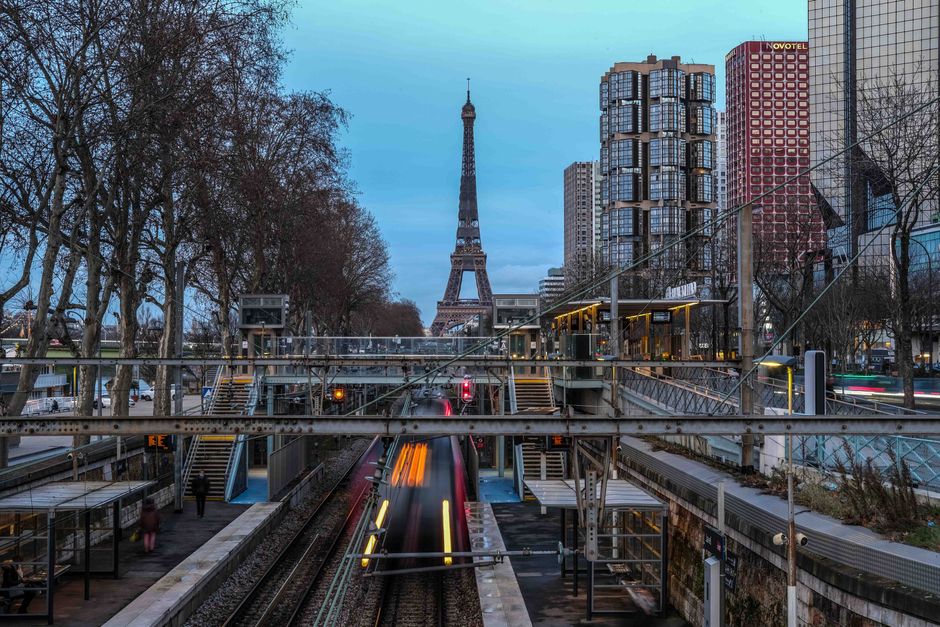
1. Understanding the Metro and RER network: lines, maps and connections
Paris’ metro has 16 numbered lines (1 to 14 plus 3bis and 7bis) and about 300 stations. The RER network (lines A, B, C, D, E) complements the metro by linking more distant areas and airports. A simple rule: use the metro for trips within central Paris (intra-muros) and the RER for longer trips or to reach the suburbs and some airports.
Key stations to know:
- Châtelet–Les Halles — Place Marguerite de Navarre, 75001 Paris: major interchange (metro lines 1,4,7,11,14 + RER A, B, D).
- Gare du Nord — 18 Rue de Dunkerque, 75010 Paris: RER B, D and connections for Eurostar / Thalys.
- Gare de Lyon — 20 Boulevard Diderot, 75012 Paris: RER A, metro lines 1 and 14, long-distance trains.
- Saint-Michel – Notre-Dame — Place Saint-Michel, 75005 Paris: direct access to RER B and C, useful for Versailles (via RER C).
Typical hours: the metro generally runs from about 05:30 to 01:15 on weekdays and Sunday nights, and until 02:15 on Friday and Saturday nights. RER schedules are similar but vary by line and direction; some RER lines (like RER B) start around 05:00 and may finish around 00:30–01:00 depending on the section. Check live times via the official RATP or Île-de-France Mobilités app.
Fares and tickets: the Ticket t+ (valid on the metro, RER zones 1-2, buses and trams in Île-de-France) costs €2.10 individually. A book of 10 tickets is €16.90 (so €1.69 per trip). For longer stays, the Navigo Week pass covers all zones 1–5 for €30.00 a week (Monday to Sunday); the monthly Navigo is €75.20 (zones 1–5) — buy and top up at stations or online.
Local tips: avoid changing lines at Châtelet–Les Halles during rush hour (08:00–09:30 and 17:30–19:00) because the corridors are often packed. To save time, download an offline RATP map and learn the first and last stations of your route: the metro runs in two directions (often indicated even/odd or by end station), and knowing the direction (for example “towards La Défense”) prevents getting on the wrong train.
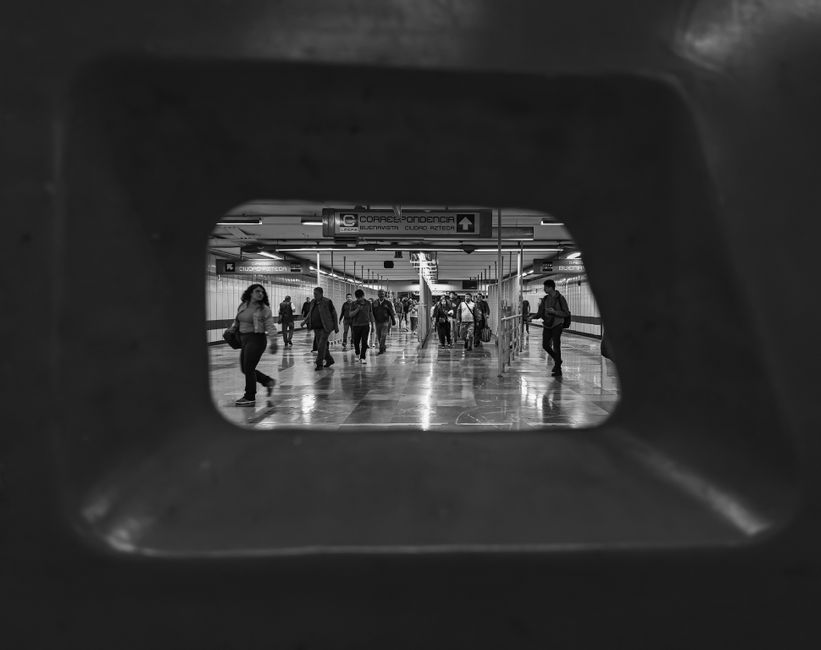
2. Tickets and passes: Ticket t+, carnet, Navigo and Paris Visite
Buying the right ticket is essential to save money. Here are the most common options and where to get them:
- Ticket t+: €2.10 single fare. Valid on the metro (zones 1–2), buses, trams and certain RER connections within Paris. Available from ticket machines in stations, RATP counters, and some tram stops.
- Book of 10 tickets: €16.90 (a worthwhile saving if you plan several short trips per day). Sold at the same locations as the Ticket t+.
- Navigo Week: €30.00 (zones 1–5, valid Monday to Sunday). Rechargeable at Navigo machines and online via a Navigo account.
- Navigo Month: €75.20 (zones 1–5). Useful if you’re staying over a week.
- Paris Visite: tourist pass valid for 1, 2, 3 or 5 days, zones 1–3 or 1–5. Example prices (indicative): 1 day zones 1–3 ≈ €13.20, 5 days zones 1–5 ≈ €65.80 (prices may change).
Where to buy: at all metro/RER ticket machines (card or cash), ticket counters at major stations (Gare du Nord, Gare de Lyon) and some newsstands. For Navigo, you may need an ID photo the first time you get the card. Stations with customer service include Gare du Nord (18 Rue de Dunkerque, 75010 Paris), with counters typically open from 06:00 to 22:00 depending on the station; check exact times online.
Practical tip: if you stay 3 days or more and plan many trips, compare costs: a carnet (effective €1.69 per trip) vs Paris Visite vs Navigo Week. Navigo Week is often the best value for a full week. Always validate your ticket when entering stations — there are frequent checks and heavy fines (a penalty that can range from €50–€150 depending on the case).
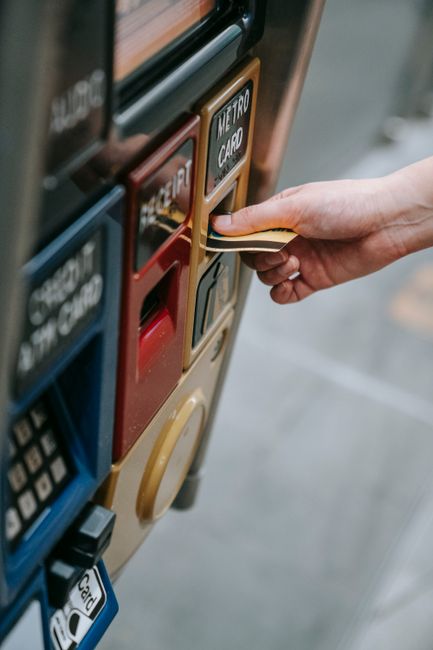
3. Bike-share: Vélib’ Métropole — how to use it and stay safe
Vélib’ Métropole is the most widespread bike-share system in Paris. Stations are spread across almost every arrondissement and into the inner suburbs. Example locations: Vélib’ station 75001 – Quai de la Mégisserie (Quai de la Mégisserie, 75001 Paris); Vélib’ station 75007 – Avenue de la Bourdonnais (Avenue de la Bourdonnais, 75007 Paris). Find the nearest station through the Vélib’ Métropole app.
Fares (indicative): Vélib’ offers day passes and annual subscriptions. Example prices: 1-day pass ≈ €5.00, annual subscription ≈ €37.00; the first 30 minutes are included in each trip (after that progressive fees apply, typically charged by half-hour). These rates can change — check the Vélib’ Métropole website for current prices and terms. A credit/debit card is required as a deposit when renting.
Safety and usage tips:
- Pick an e-bike with a charged battery. Check the tires and brakes before you ride.
- Stick to bike lanes; some avenues (Avenue des Champs-Élysées, quays by the Seine) have wide lanes but be cautious at intersections.
- Return bikes only to official Vélib’ docks and lock them — fines exist for improper parking, and the operator may charge for non-returned bikes.
- Don’t leave personal items attached to the bike — theft or loss is not covered.
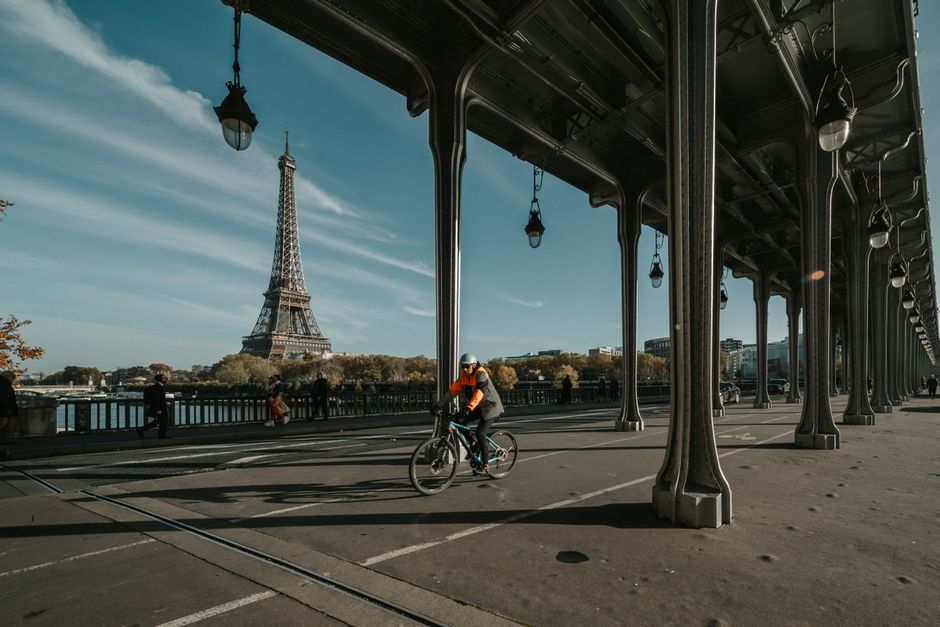
Local tip: for a lovely sightseeing route, take the bike lanes along the Seine (either bank) between Pont Neuf and Pont de l’Alma, especially in the late afternoon when the light is beautiful and traffic is less intense. For longer rides, plan charging stops and check dock availability in the Vélib’ app.
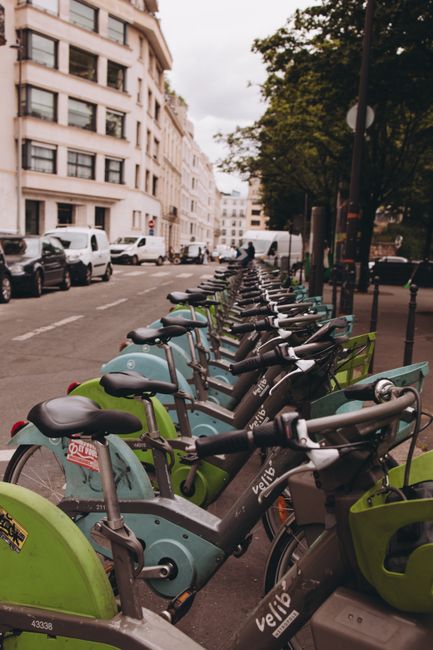
4. Taxis and ride-hailing: fares, taxi ranks and peak times
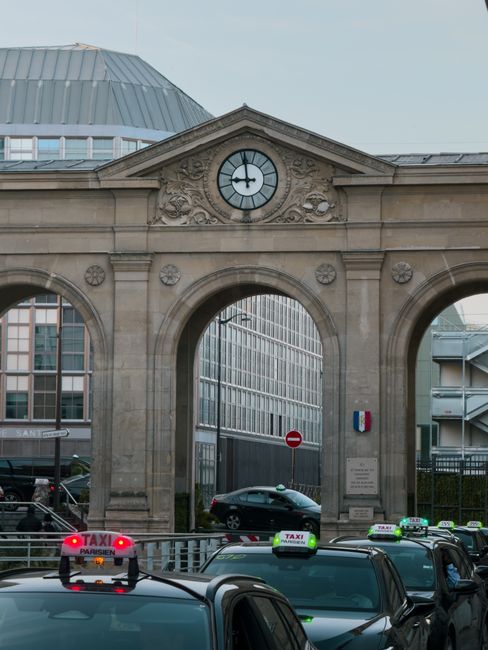
Parisian taxis are easy to find at official taxi ranks (for example Place de l’Opéra, 75009 Paris; Gare du Nord, 18 Rue de Dunkerque, 75010 Paris). Taxis use a regulated fare structure, with a start fee + a per-kilometer rate + possible surcharges (night travel, Sundays, holidays).
Indicative fares: start fee ≈ €2.60; daytime rate ≈ €1.05 per km; night rate (22:00–07:00) ≈ €1.35 per km; waiting time ≈ €35.00 per hour (indicative). Final price depends on travel time, traffic and surcharges (luggage, airport, booking). Trips to/from airports Roissy-Charles-de-Gaulle and Orly have mandatory flat rates for central Paris: Roissy to Paris (right bank) ≈ €55.00, Orly to Paris (left bank) ≈ €30.00 (indicative — check official sources).
Key ranks and pickup points:
- Place de l’Opéra — 75009 Paris: large taxi queue, handy in the evening.
- Gare du Nord — 18 Rue de Dunkerque, 75010 Paris: taxi rank in front of the main entrance.
- Gare de Lyon — 20 Boulevard Diderot, 75012 Paris: taxi rank in front of the main façade.
Local tips: prefer official ranks or certified apps (G7, Taxis Bleus, Uber, Bolt). It’s rare to haggle with official taxis — they run on the meter. If you have a lot of luggage or travel at night, expect extra charges. For airport trips, ask if a flat fare applies before getting in.
5. Buses and trams: when to use them and how to read the routes
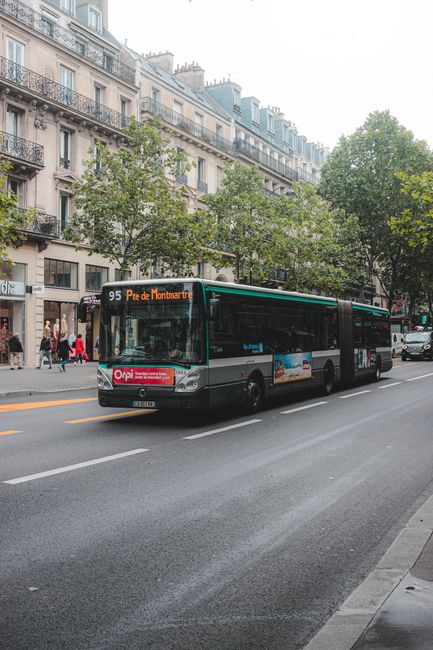
Paris’ bus network is dense and complements the metro: it serves areas where the metro is less direct, can be quieter at night (some night buses called Noctilien) and offers views of the city during the ride. Trams (T1 to T9 depending on the line) serve the outskirts and residential zones.
Fares: the Ticket t+ (€2.10) is valid on buses and trams — remember to validate when you board a bus. Navigo and Paris Visite passes are also valid. Noctilien night buses have specific routes and may require different tickets depending on distance; in general, the rule is to check the Noctilien map and buy your ticket in advance or board with a valid fare.
Useful examples:
- Bus 69: crosses the Left Bank from République to Champ de Mars, convenient for seeing the Eiffel Tower if you get off at Champ de Mars – Tour Eiffel.
- Tram T3a/T3b: run along the boulevards des Maréchaux, useful to avoid multiple transfers if you’re traveling around the outskirts.
How to read a bus: look at the destination displayed on the front before boarding (for example “69 — Champ de Mars”). If you’re in a traffic jam, the metro is often faster. Bus stops have detailed maps showing upcoming services; use the RATP app or Google Maps in transit mode to get estimated arrival times.
6. Getting to the airports: Roissy-Charles-de-Gaulle (CDG) and Orly (ORY)
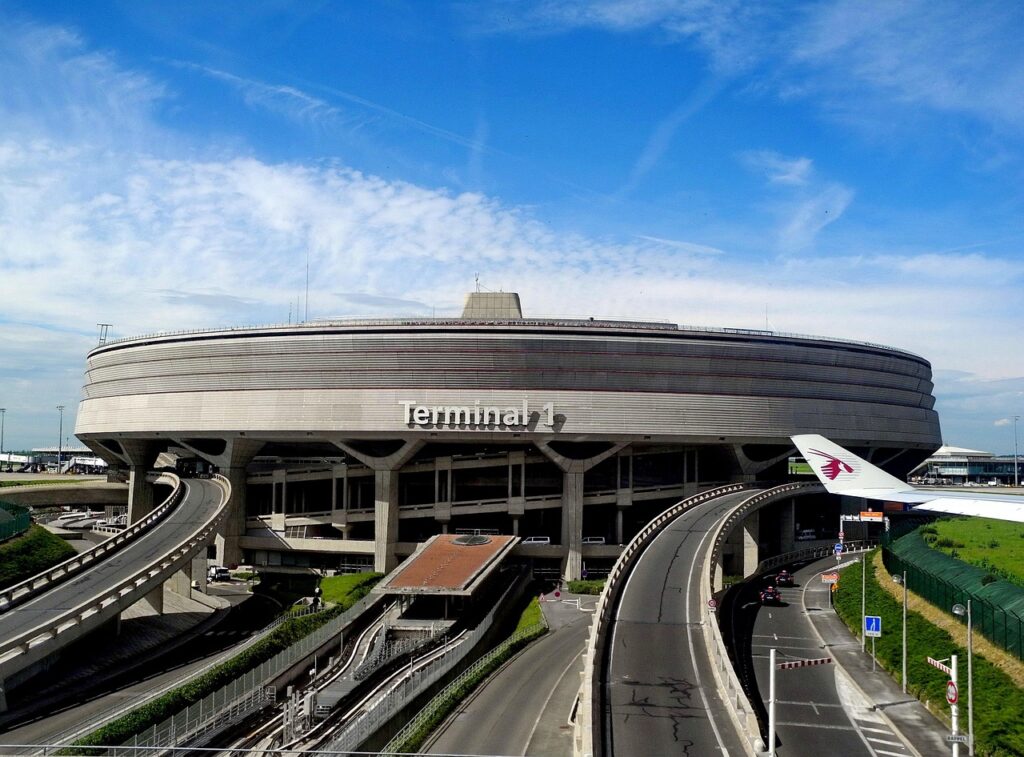
Getting to the airports from Paris: several options depending on budget, comfort and travel time:
- RER B: connects Paris to Roissy-Charles-de-Gaulle (CDG) and part of Orly via transfers. Approximate time from Gare du Nord: 25 minutes to CDG. RER B fare varies by zone; from central Paris to CDG expect about €10.30 (indicative).
- Orlyval + RER: for Orly, combine RER B + Orlyval (automated shuttle) from Antony; combined price ≈ €12.10 (depending on exact route).
- Roissybus / direct buses: the Roissybus (from Opéra, Place de l’Opéra, 75002 Paris) provides direct service to CDG, fare ≈ €13.70 (indicative), duration 45–60 minutes depending on traffic.
- Taxi flat fare: mandatory flat fares apply to airport trips: e.g. Roissy to Paris right bank ≈ €55.00; Orly to Paris left bank ≈ €30.00 (indicative — verify at official airport signage).
Practical tips: to avoid stress, leave early and account for weekday rush hours (07:30–09:30 and 17:00–19:30). If you have large luggage, favor a taxi or private shuttle: although more expensive, the comfort and simplicity are often worth it. Always check station and airport information displays for platform or schedule changes.
7. Schedules and peak times: plan around traffic
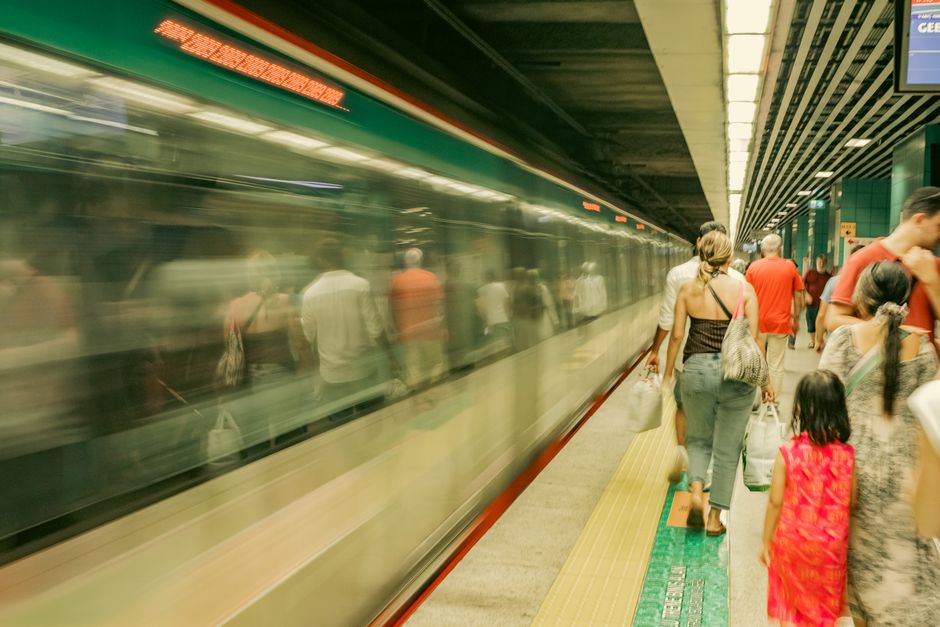
Knowing schedules and rush hours can transform a day of sightseeing. Peak times in Paris are generally 07:30–09:30 in the morning and 17:30–19:30 in the evening on weekdays, when metros, RER and buses are the most crowded. On weekends traffic is more spread out, but events (matches, concerts) can cause big surges.
Typical hours:
- Metro: roughly 05:30–01:15 on weekdays, extended until 02:15 on Fridays and Saturdays.
- RER: usually starts between 05:00–05:30, ends similar to the metro but varies by line.
- Bus: variable schedules, some run late; Noctilien covers night services from around 00:30 to 05:30 depending on the route.
Tips to avoid crowds:
- Travel outside peak times when possible; head out early in the morning to visit popular sights.
- If you have luggage, avoid the metro at rush hour (favor a taxi or RER depending on your destination).
- Allow extra time for transfers to/from stations and airports during weekdays.
Local tip: some bus lines offer scenic routes but take longer than the metro; they’re perfect when you’re not in a hurry and want to see the city. For fast morning trips, pick direct metro lines (without changes) and check RATP for works or disruptions before leaving.
8. Safety, inspections and good practices
Safety on Paris public transport is generally good, but a few simple rules will improve your experience:
- Always validate your ticket. Inspections are common; traveling without a valid ticket can result in a fine (often over €50).
- Watch your belongings in crowded places (wallets, phones). Pickpockets operate mainly during rush hour and in tourist hotspots (Châtelet, Gare du Nord, Montmartre).
- If you are a victim or witness an incident, report it to RATP staff in stations, drivers or security officers; customer service desks in major stations (e.g. Gare de Lyon, 20 Boulevard Diderot, 75012 Paris) can assist.
Medical and emergency advice: dial 112 for European emergencies or 15/17 depending on the situation. Main stations often have defibrillators and first-aid available. For nighttime taxi rides, prefer official companies or booked rides via apps, and ask for a receipt if there’s a dispute.
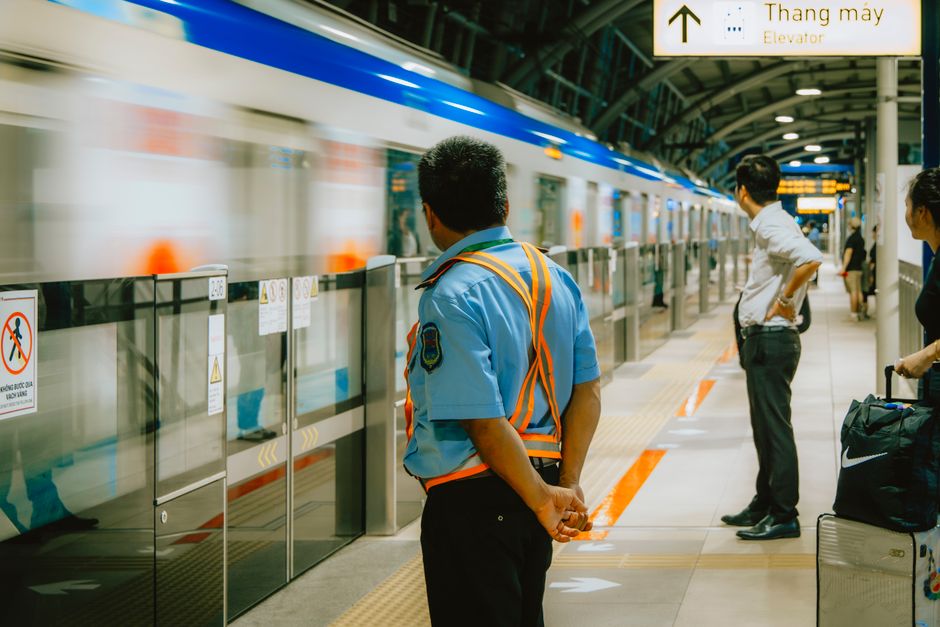
9. Recommended sightseeing routes combining metro, bike and walk
To make the most of Paris without relying on a single mode of transport, combine metro, Vélib’ and walking. Here are two sample routes:
-
Route “Seine Classics”:
- Start: Bir-Hakeim (line 6), 75015 Paris — great view of the Eiffel Tower.
- Ride a Vélib’ along the quays (Vélib’ station Quai Branly, 75007 Paris) up to the Louvre (place du Carrousel, 75001 Paris).
- Finish on foot at Île de la Cité (Notre-Dame Cathedral, place Jean-Paul II, 75004 Paris) and grab a coffee in the Latin Quarter.
-
Route “Arts and Le Marais”:
- Start: Saint-Sébastien–Froissart (line 8), 75003 Paris.
- Visit the Musée Picasso (5 Rue de Thorigny, 75003 Paris) — opening times vary, often 10:30–18:00.
- Walk or take a short bus to Place des Vosges (Place des Vosges, 75004 Paris).
Tip: plan your stops around museum opening hours (many close on Mondays or Tuesdays). Always allow time for walking — Paris is often best discovered on foot rather than purely by transport.
10. Useful apps and resources: RATP, Île-de-France Mobilités, Vélib’
Using the right apps will save you time and avoid unpleasant surprises. Here are the recommended apps and sites:
- RATP — the official app: real-time schedules, disruptions, metro and bus maps. Available on Android/iOS.
- Île-de-France Mobilités — the regional authority site for Navigo fares, regional incidents and RER information.
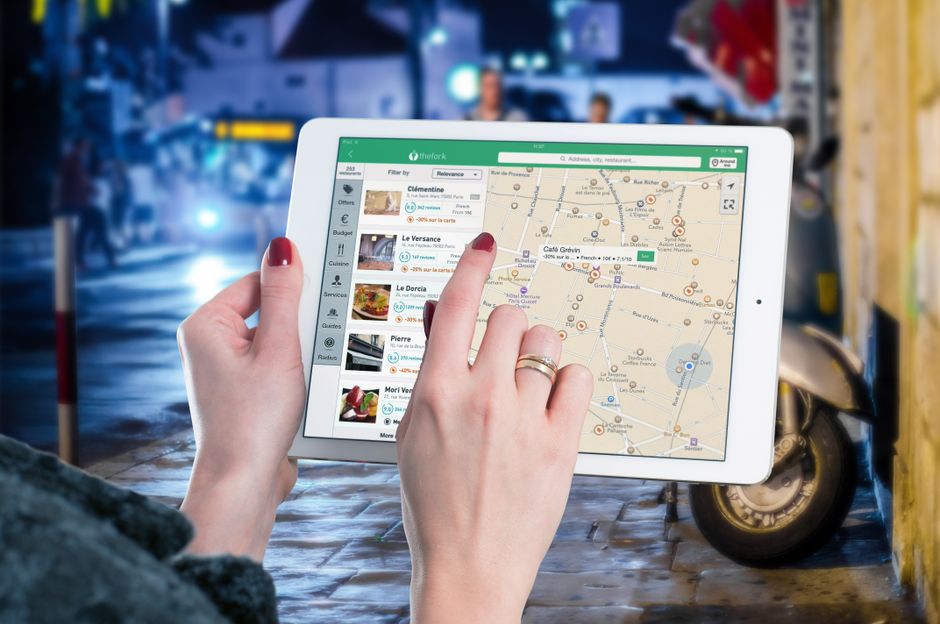
- Vélib’ Métropole — the app to locate stations, check availability and buy passes.
- Google Maps / CityMapper — great multimodal routing in real time, handy for comparing options (metro vs bus vs bike).
- Certified taxi apps: G7, Taxis Bleus; ride-hailing: Uber, Bolt — for booking and price estimates.
Usage tips: turn on disruption alerts for your usual lines, download an offline metro map and save routes to the places you’ll visit (museums, stations, hotels). If you travel during announced strikes, check alternative services (buses, bikes, taxis) and consider leaving earlier.
Conclusion
Getting around Paris becomes intuitive once you know the basics: the metro is the backbone for fast inner-city trips, the RER efficiently links the capital to its suburbs and some airports, buses and trams fill in gaps, and individual solutions like Vélib’ or taxis add flexibility and comfort. This 10-point guide has gathered the practical information you’ll use most often: key station addresses and indicative fares (Ticket t+ €2.10, book of 10 €16.90, Navigo Week €30.00 zones 1–5), typical hours (metro 05:30–01:15, later on Fridays/Saturdays), plus safety and time-saving tips.
Before every journey, take a few minutes to check real-time schedules via the RATP or Île-de-France Mobilités app, especially during disruptions or strikes. For week-long stays the Navigo Week card is often the best value; for short trips, a carnet of tickets or the Paris Visite pass can be convenient. Don’t forget that walking and cycling offer unique perspectives on the city: a Vélib’ ride along the Seine or a stroll through Le Marais can be as memorable as a metro trip.
Finally, adapt your choices to your situation: if you have luggage, favor taxi/VTC; if your timetable is tight, use the RER for longer journeys; if you want to save money, rely on carnets and walking. Paris invites slow discovery and happy surprises, but with these 10 essentials you’ll have the keys to optimize your travel, avoid common pitfalls and fully enjoy your stay. Safe travels and enjoy exploring the City of Light!