





Introduction — Guided Tours, Audio Guides or Going Solo: Picking Your Way to Explore Paris
Paris is a city that begs to be discovered in so many ways: strolling along the Seine, soaking up masterpieces at the Musée du Louvre, marveling at the Sainte‑Chapelle’s rose window, or climbing up to the top of the Eiffel Tower. How you choose to explore—alongside a human guide, with an audio guide, or completely on your own—not only affects how much you learn but also the emotional and practical quality of the experience. This in‑depth guide will help you weigh the pros and cons of each format, point you to concrete addresses, opening hours and costs, and give local tips to get the most out of every option.
Traditional guided tours mean being led by an expert guide, often licensed, who structures the walk, answers questions and shares anecdotes you won’t find on plaques or facades. Audio guides offer freedom of movement and the ability to control your pace: pause, replay, and pick sections. Finally, solo visiting suits independent travelers who love improvisation—but it requires some planning and a good sense of direction. In a dense, rich city like Paris, the right choice depends on your goal—cultural immersion, saving time, budget, accessibility, or hunting for offbeat finds.
We’ll cover hands‑on examples here: the Louvre (Musée du Louvre, Rue de Rivoli, 75001 Paris), the Musée d’Orsay (1 Rue de la Légion d’Honneur, 75007 Paris), the Sainte‑Chapelle (8 Boulevard du Palais, 75001 Paris), Notre‑Dame Cathedral (Parvis Notre‑Dame — Place Jean‑Paul II, 75004 Paris) and the Eiffel Tower (Champ de Mars, 5 Avenue Anatole France, 75007 Paris). For each site you’ll find typical opening hours, indicative prices in euros, guided tour options (well‑known companies and local offers), audio solutions, and practical tips—how to avoid the ticket line, which time of day gives the best light, or which neighborhoods to combine for an efficient day.
This guide is designed to be practical: you’ll see where to book, what price range to expect (official rates and private operator rates), and how to adapt your choice depending on what kind of traveler you are—family, time‑pressed visitor, art lover or photographer. The descriptions don’t just list facts: they aim to immerse you visually and emotionally in each place, give workable itineraries and suggest local alternatives often missed by standard guidebooks. Whether you choose a guide’s voice, the discreet listening of an audio guide, or the organized wandering of a solo exploration, Paris will respond to the way you see the world.
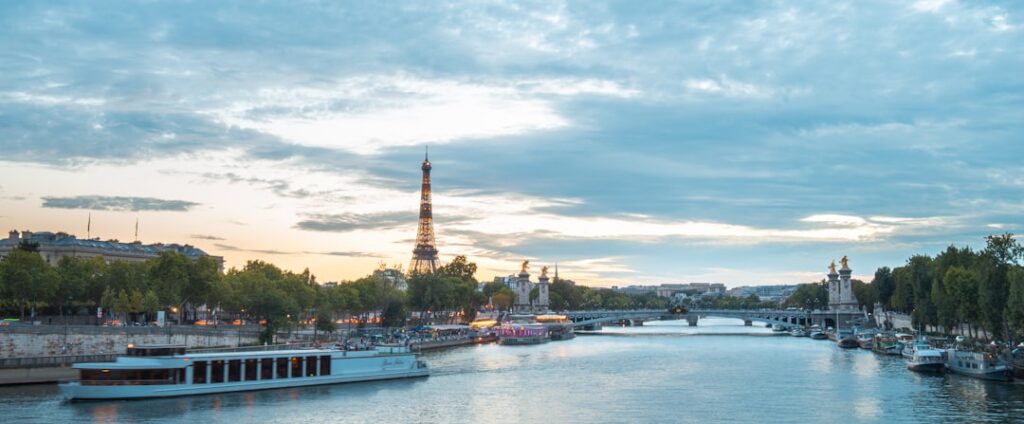
1) Guided Tours in Paris: Immersion, Storytelling and Service — Who They’re For and When
Guided tours in Paris come in many shapes: walking tours, open‑top bus routes, bike tours, themed expeditions (food, street art, Revolutionary history), and bespoke private experiences. Professional guides often hold municipal accreditation or work for reputable agencies. Their added value is obvious: historical context, lively anecdotes, tailored answers and time savings. Here are some concrete, practical examples:
- Sandeman’s New Europe (Free Tours by Foot) — meeting point: Place Saint‑Michel, 75005 Paris. Cost: free + recommended tip (€10–20 per person depending on satisfaction). Times: daily departures at 10:30 and 14:30 depending on season (check the site for confirmations). Description: 2–3 hour tours, great for early days to get an overview of neighborhoods like the Latin Quarter, Île de la Cité and Notre‑Dame.
- Fat Tire Tours (Bike & E‑bike) — common departure from 42 Rue du Fer à Moulin, 75005 Paris (or another point depending on the circuit). Prices: from €32 for a 3‑hour bike tour, €45 for longer routes or night tours. Times: morning and afternoon departures; summer night tours available. Description: ideal to cover more ground without getting tired, efficient for seeing monuments along the Seine and the grand boulevards.
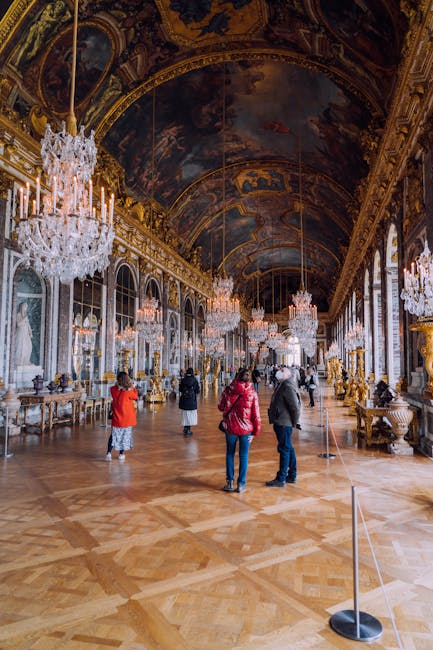
- Localers (private and small‑group tours) — offices by reservation; private tours from €85 per person (half‑day) or €220 for a 3‑hour private tour. Times: flexible by reservation. Description: themed itineraries (in‑depth Louvre visits, private Versailles outside normal hours, culinary tastings). Perfect for travelers looking for expertise and a tailored route.
- Paris Greeters — free meetups with volunteer locals. Meeting point: variable. Cost: free (donations suggested). Times: arranged with the greeter. Description: local immersion, personalized strolls—an excellent option to understand everyday life in a specific neighborhood (Canal Saint‑Martin, Le Marais).
Benefits: guides provide context, point out architectural details and often grant access to anecdotes you won’t find in brochures. For museums like the Musée du Louvre (Rue de Rivoli, 75001 Paris; usual hours: Wednesday–Monday 9:00–18:00, evening openings Wednesday and Friday until 21:45; closed Tuesday), a guided tour can turn the perception of a work into a memorable moment. Indicative prices: private guided tours at the Louvre start around €130 for 2 hours (small group), group tours €25–40 per person depending on operator and whether skip‑the‑line entry is included.
Drawbacks and tips: group tours can feel scripted and fast—if you like to linger, go for a private tour. Book early for peak time slots (mornings and evenings) and check the guide’s accreditation if you care about a specific historical background. In high season, favor an early morning tour to avoid the crowds and get soft light for photos.
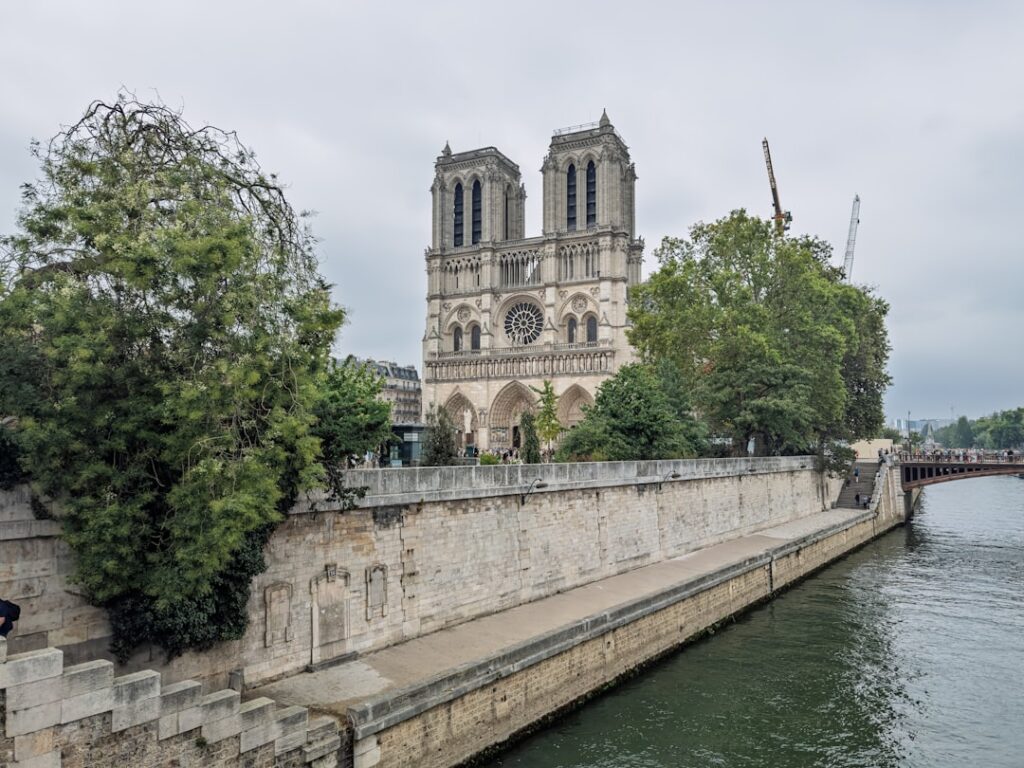
2) Audio Guides: Independence, Depth of Information and Technical Flexibility
Audio guides offer a middle ground between self‑guided exploration and structured accompaniment: you keep your freedom to move while accessing prepared commentary, often recorded by curators, historians or actors. They come as museum‑loan devices, downloadable apps, or streaming recordings. Here are concrete options for a few emblematic sites:
- Musée du Louvre — address: Rue de Rivoli, 75001 Paris. Usual hours: Wednesday–Monday 9:00–18:00 (evenings Wednesday and Friday until 21:45), closed Tuesday. Official audio guide: indicative price €5–7 (varies by type and language) at the multimedia desk. Description: audio guides organized by thematic routes (Antiquities, Paintings, Sculpture) and offer tours from 60 to 180 minutes. Tip: download the app version if you want an interactive map and GPS waypoints.
- Musée d’Orsay — address: 1 Rue de la Légion d’Honneur, 75007 Paris. Usual hours: Tuesday–Sunday 9:30–18:00 (Thursday evening until 21:45), closed Monday. Official audio guide: around €6–8 to rent. Description: chronological orientation (Impressionism, Post‑Impressionism) with commentary on the hang. Trick: visit the top floor at the end for a panoramic view of Paris roofs and softer light for photos.
- Sainte‑Chapelle — address: 8 Boulevard du Palais, 75001 Paris. Usual hours: generally 9:30–19:00 (seasonal hours vary). Audio guide: often included in some combined offers or available for about €3–5. Description: commentary focused on the stained glass, light and medieval iconography. Tip: come early morning or late afternoon to see the windows with fewer reflections and enjoy a more contemplative atmosphere.
Apps and alternatives: many mobile apps (Rick Steves Audio Europe, izi.TRAVEL, VoiceMap) offer free or paid audio tours (generally €0–10 depending on length). These apps work offline if you download the content before entering a museum or ensure mobile data. Key advantage: replay a segment, switch topics instantly, or skip sections that don’t interest you.
Limitations: no human interaction. If you have spontaneous questions, the audio guide won’t answer. Sometimes narrations are too detailed and overwhelming—choose a shorter route if you want a lighter visit. Another point: the quality of museum‑provided headphones isn’t always great; bringing your own earphones can be a smart move if the device allows it.
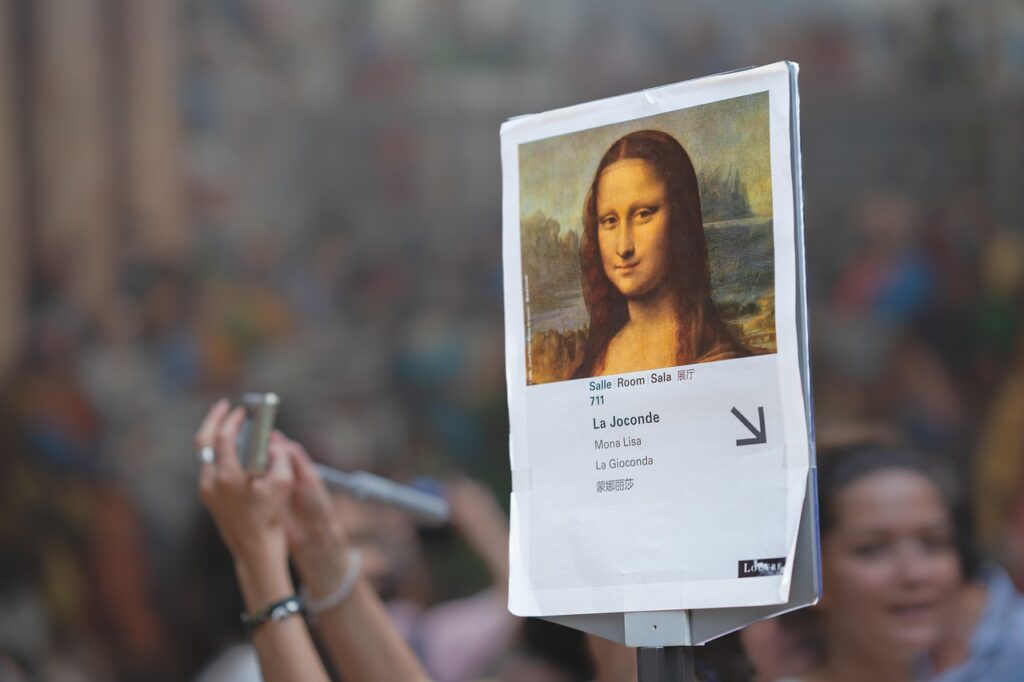
3) Visiting Paris Solo: Freedom, Unexpected Discoveries and Practical Prep
Going solo is the freest way to explore: you choose the route, the pace and the coffee stops. For some travelers it’s the best way to soak up Parisian atmosphere, linger in front of a painting, sit at Café Procope (13 Rue de l’Ancienne Comédie, 75006 Paris) or pause at a secondhand bookstall along the quays. But freedom comes with responsibility: maps, opening hours, skip‑the‑line tickets and some practical markers are required.
Practical tips for self‑guided visits:
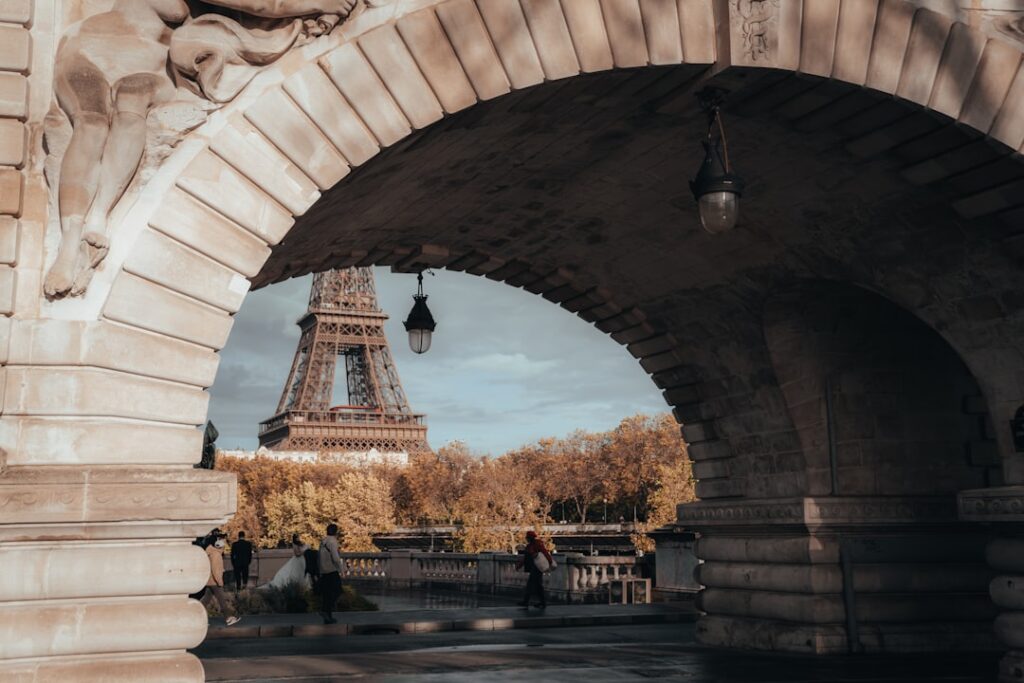
- Book your tickets in advance for must‑sees — Louvre (standard online ticket: indicative €17, €15 on site, varies with special exhibitions), Musée d’Orsay (full price often around €16 online depending on exhibition), Eiffel Tower (elevator to 2nd floor adult: about €19.70; summit via elevator: about €29.60; official rates should be checked on the official site). Booking skip‑the‑line tickets saves hours in high season.
- Plan your transport — the metro and RER are efficient. Buy a carnet of 10 tickets or a weekly Navigo pass depending on length of stay. Louvre‑Rivoli (metro line 1) drops you close to the Musée du Louvre; Musée d’Orsay is served by Solférino station (line 12) or RER C (Musée d’Orsay station).
- Pick the best time slots — early morning (opening) to avoid crowds, or just before closing to enjoy different light and fewer people. Example: for Sainte‑Chapelle, favor 9:30–11:00.
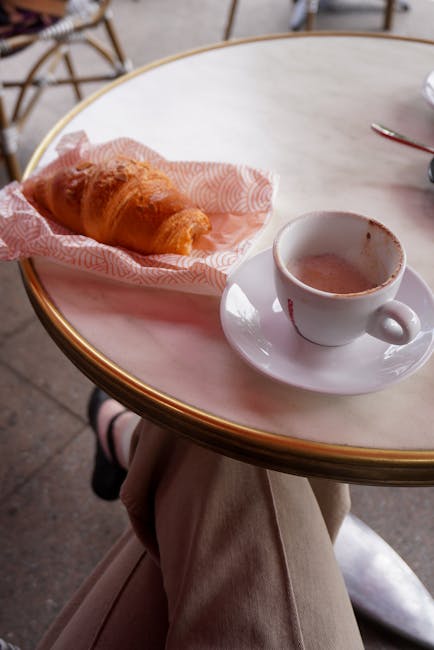
- Schedule local breaks — lunch in the Marais (Rue des Rosiers, 75004) or a coffee and tart at Ladurée (Avenue des Champs‑Élysées locations or other boutiques) will help you recharge and watch Parisian life pass by.
On your own you can combine nearby sites: for example, start the day at Sainte‑Chapelle (8 Boulevard du Palais, 75001), walk over to Notre‑Dame Cathedral (Parvis Notre‑Dame — Place Jean‑Paul II, 75004) for a stroll on the Île de la Cité, then head down to the Latin Quarter for lunch and finish the afternoon at the Musée du Louvre. Advantage: total adaptability; drawback: you may miss interpretive keys a guide would provide spontaneously.
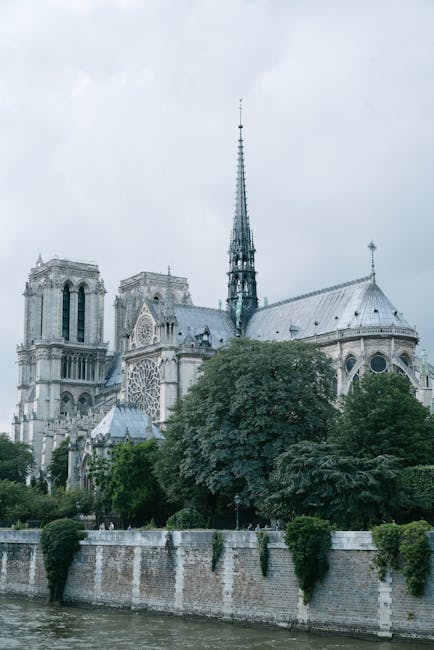
4) How to Choose: Comparative Criteria, Budgets and Traveler Profiles
Deciding between a guided tour, audio guide or going solo comes down to two main questions: what are your goals and what’s your budget? Here’s a mental checklist of criteria to help you decide (narrative format):
- Deep educational goal — if you want to deeply understand an artistic period (e.g. Impressionism at the Musée d’Orsay): opt for an experienced guided tour or a private guide. Example price: private Musée d’Orsay tour €120–200 for 2 hours depending on guide and group size.
- Quick and cheap orientation — for a first, quick orientation of the city: go for a free tour (Sandeman’s / Free Tours by Foot); cost: tip‑based (€10–20 recommended). Lets you learn the essentials without breaking the bank.
- Independent and flexible traveler — if you like switching pace and breaks: audio guide + solo exploring or full independent touring. Low to mid budget; free audio apps or museum audio rentals €3–8.
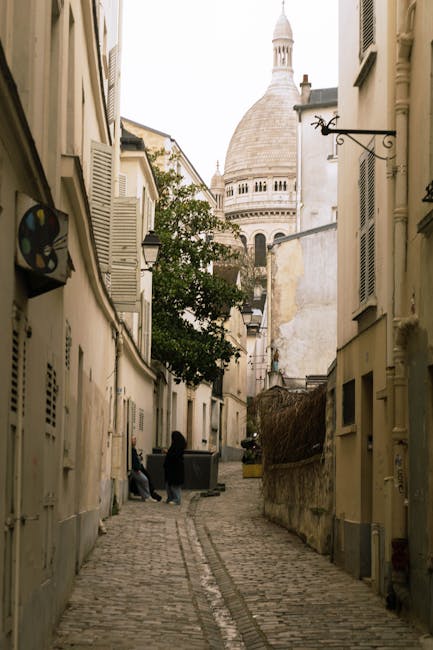
- Tight budget — favor Paris Greeters, free walking tours, and museums that have free admission days (e.g. some national museums offer free entry for EU residents under 26), or simply wander neighborhoods rich in architecture like Le Marais, Montmartre and Saint‑Germain‑des‑Prés for free.
- Family travel — a professional guide who can engage kids (interactive workshop, treasure hunt) is often the best value emotionally. Family tour prices: often €40–70 per child for special workshops; check availability when booking.
Practical examples: if you have a half‑day and want to see masterpieces, book a guided Louvre tour that includes skip‑the‑line tickets (from €40 per person for group tours and €130 for private ones). If you’re on a longer trip and prefer a slow approach, combine audio guides with solo exploration and food breaks—a cooking workshop with Le Foodist (3‑hour class from €75 per person) can nicely complement a cultural day.
Final decision tips: check the weather (rain = museums and sheltered guided tours, sunny = outdoor walks), your interest level in historical detail, tolerance for crowds, and group makeup (family with kids, seniors, photographer). Also think comfort: good shoes, a water bottle, and a power bank if you plan to use audio apps extensively.
Useful Resources and Bookings
Official sites and operators to check:
- Musée du Louvre — address: Rue de Rivoli, 75001 Paris — official site for tickets and opening hours: https://www.louvre.fr — indicative online price €17 (varies with exhibitions).
- Musée d’Orsay — address: 1 Rue de la Légion d’Honneur, 75007 Paris — site: https://www.musee-orsay.fr — indicative price €16 (depends on exhibition).
- Sainte‑Chapelle — address: 8 Boulevard du Palais, 75001 Paris — site: https://sainte-chapelle.fr — audio guides available, check seasonal hours.
- Fat Tire Tours Paris — reservations and up‑to‑date prices: https://www.fattiretours.com/paris
- Sandeman’s New Europe (Free Walking Tours) — site: https://www.neweuropetours.eu/paris
Conclusion — Finding the Balance Between Storytelling, Independence and Discovery
Choosing between a guided tour, an audio guide or a solo exploration in Paris depends less on hard rules than on your travel style, available time and the kind of experience you’re after. Guided tours provide a narrative thread that deepens understanding, especially for historic monuments and museums like the Musée du Louvre (Rue de Rivoli, 75001 Paris) or Sainte‑Chapelle (8 Boulevard du Palais, 75001 Paris). Audio guides give freedom and control: you can listen, pause and dive deeper at your own pace—a great solution for museums where you want to stand longer in front of a specific work. Going solo is total freedom, perfect for catching neighborhood vibes, intentionally getting lost in Montmartre, and then returning to a well‑planned route when needed.
Practically speaking, a mixed approach often works best. For example, start with a free walking tour to get your bearings, book a targeted guided tour (Louvre or Versailles) for an expert deep dive, then spend afternoons exploring solo with downloaded audio guides for museums. Budget‑wise, cheap options exist (Sandeman’s, Paris Greeters) while private and specialized tours cost more but can provide unique and often unforgettable experiences.
Finally, a few local tips to make everything run smoothly: arrive 15–30 minutes before a guided tour to handle formalities; double‑check official museum hours (evening openings and closures vary by season); and if using audio guide apps, download content before entering sites where connectivity can be limited. With these elements in hand, you’ll be able to pick the format that best matches your expectations and turn every Parisian stroll into a well‑documented, memorable experience.