





Introduction — Paris museums to visit without the lines: why choose the intimate?
Paris is full of world-famous museums that draw huge crowds: the Louvre, Musée d’Orsay, Centre Pompidou. But the city also hides a constellation of quieter museums, often housed in townhouses, artists’ studios or house-museums, where you can discover artistic and historical treasures without spending hours in queues. These places offer a more intimate, contemplative experience, thoughtful lighting, focused thematic collections and often gardens or salons where you can take your time reading the labels.
This guide highlights 10 off-the-beaten-path gems in Paris, easy to visit without long waits, perfect for rushed travelers, repeat visitors looking for something new, or locals who want to deepen their knowledge of the city. For each venue you’ll find the exact name, full address, typical opening hours, an indicative entrance fee, an immersive description and local tips to make the most of your visit (best time slots, nearby metro lines, and little tricks to enjoy the annex spaces).
Why these museums? First because they offer coherent, often very well-presented collections: painting, sculpture, decorative arts, animal art, symbolism, focused Impressionism, reconstructed artists’ studios or surprising archives. Second because they let you escape overcrowding while retaining high museum standards: climate control, audio guides where available, and carefully curated temporary shows. And finally because the visit often feels local — chatting with staff, leafing through catalogs in a quiet corner, or enjoying a small garden café next door.
This guide focuses on practical, up-to-date information to plan your visits: exact addresses, hours to avoid unpleasant surprises, entry prices to prepare your budget, and tips to not miss the hidden aspects of each place (workshops, rooms closed to the public except by appointment, reservations needed for some temporary exhibitions). It also includes suggestions on the best times of day to go and recommendations for combining several museums in one day using logical metro or walking routes.
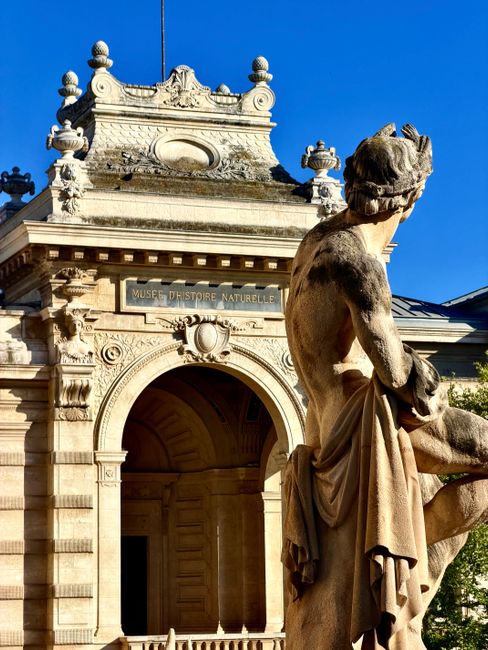
To make navigation more visual and inspiring, image markers will point out the most photogenic viewpoints or atmospheres to look for before or during your visit: facades, gardens, studio interiors, groupings of works. These cues can help you prepare a photo route or simply know what to expect visually.
1. Musée Jacquemart-André — 158 Boulevard Haussmann, 75008 Paris
Address: 158 Boulevard Haussmann, 75008 Paris. Hours: open daily from 10:00 to 18:00 (some exhibition days closing at 19:00), closed Tuesdays. Price: full-price ticket ~€15 (temporary exhibitions included, price varies by show).
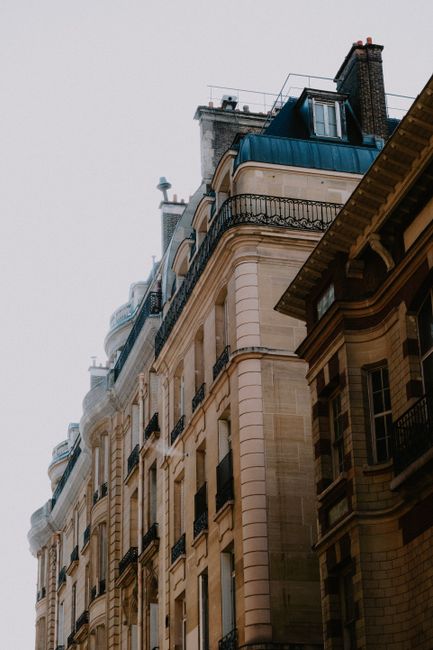
Set in a sumptuous 19th-century townhouse, the Musée Jacquemart-André displays a European art collection — Italian, Flemish and French paintings — as well as reconstructions of the private salons of collectors Édouard André and Nélie Jacquemart. Rich wood paneling, painted ceilings and natural light make you feel like you’re stepping into the home of discerning art lovers. Rooms are arranged to flow nicely; the climb to the upper floor offers views of the grand staircase and occasionally small temporary shows.
Local tips: aim for the 10:00 opening to avoid the surge of visitors coming from the large Haussmann department stores. The museum has a pleasant tea room for a sweet break after your visit. Metro: Miromesnil (lines 9 and 13) or Saint-Philippe du Roule (line 9).
2. Musée Marmottan Monet — 2 Rue Louis Boilly, 75016 Paris
Address: 2 Rue Louis Boilly, 75016 Paris. Hours: Tuesday to Sunday 10:00–18:00, closed Monday. Price: full price ~€12 (reduced rates for students/seniors).
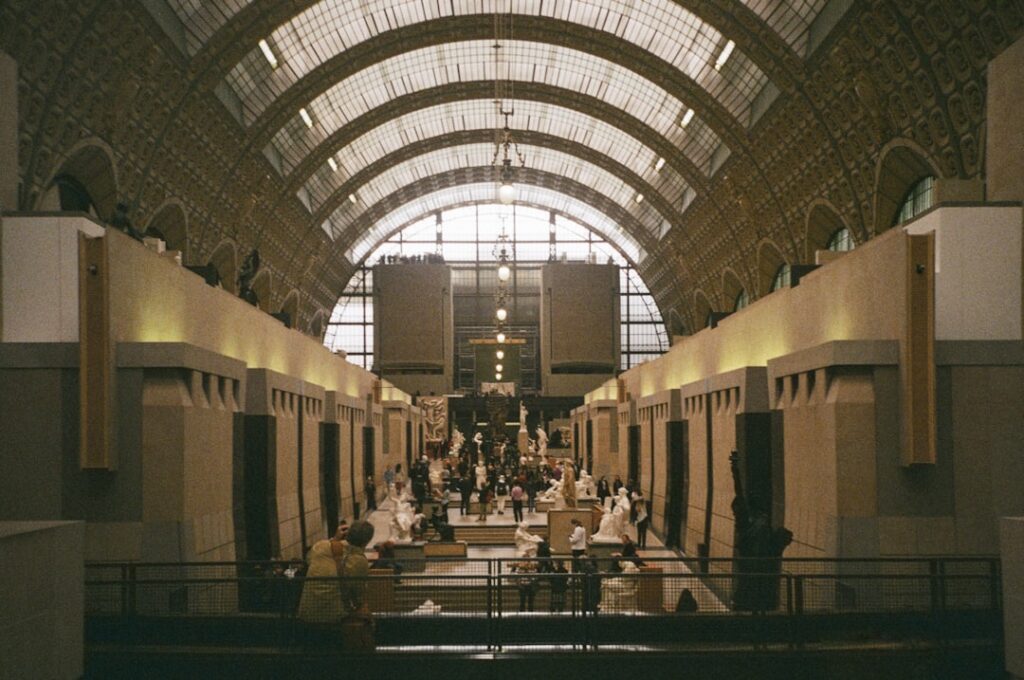
The Musée Marmottan Monet houses the world’s largest collection of Claude Monet’s works, including the famous « Impression, Sunrise. » Located in a former hunting lodge, the museum also preserves Byzantine art pieces and paintings by Renoir, Morisot and Pissarro. The draw here is twofold: a concentration of major works and a hushed atmosphere that feels less touristy than the big central museums.
Local tips: arrive in the late afternoon (last admissions are often around 17:00) for soft light in the water-lily rooms. Accessible from La Muette station (line 9). Book online for certain temporary exhibitions to ensure entry without waiting.
3. Musée de la Chasse et de la Nature — 62 Rue des Archives, 75003 Paris
Address: 62 Rue des Archives, 75003 Paris. Hours: open daily except Tuesday, 11:00–18:00 (extended Thursdays until 21:00). Price: full price ~€12; Thursday evenings often have reduced rates.
This quirky museum, housed in the Hôtel de Guénégaud, blends art, taxidermy and contemporary design. Installations are imaginative: naturalist trophies sit alongside paintings, historic weapons and contemporary works that question the relationship between humans and animals. The atmosphere swings between curiosity cabinet and modern gallery, making for an intriguing, sensory visit.
Local tips: take advantage of Thursday late openings for a calmer visit that’s often less crowded. The Marais is perfect for combining this with a stroll; many small specialist bookshops are nearby. Metro: Rambuteau (line 11) or Hôtel de Ville (line 1).
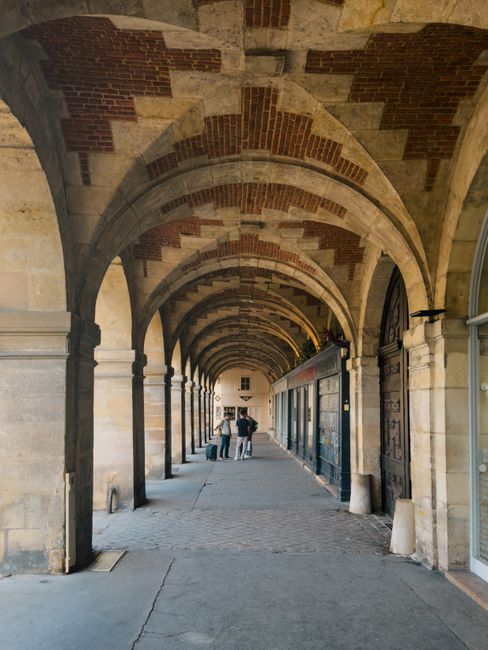
4. Musée Zadkine — 100bis Rue d’Assas, 75006 Paris
Address: 100bis Rue d’Assas, 75006 Paris. Hours: open Tuesday to Sunday, 10:00–18:00, closed Monday. Price: free entry or suggested contribution ~€4 (free on certain Sundays).
Dedicated to sculptor Ossip Zadkine, this small museum-studio preserves his sculptures, drawings and prints in an exceptionally calm setting. The garden in the heart of the 6th arrondissement is a peaceful oasis where several major sculptures are on display outdoors. The space is ideal for appreciating the materiality of wood, stone and bronze in an intimate context.
Local tips: the partial free admission makes this spot very accessible. Visit early in the morning to enjoy the garden before school groups arrive. Metro: Vavin (line 4) or Notre-Dame-des-Champs (line 12).
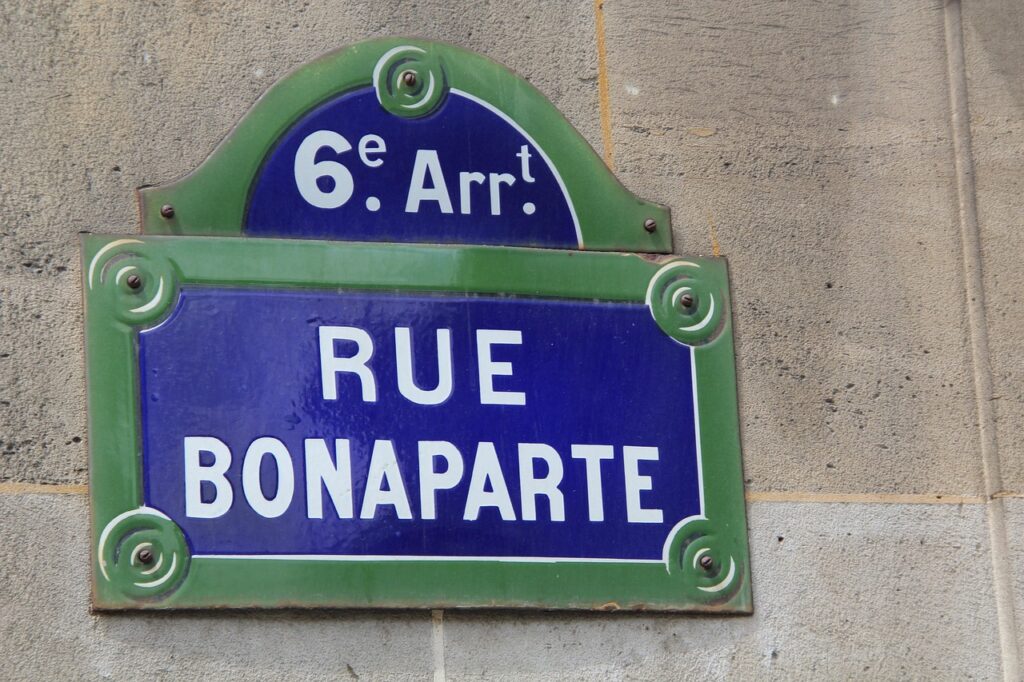
5. Musée Bourdelle — 18 Rue Antoine Bourdelle, 75015 Paris
Address: 18 Rue Antoine Bourdelle, 75015 Paris. Hours: Tuesday–Sunday 10:00–18:00, closed Monday. Price: full price ~€9; free on the first Sunday of certain months.
Set in sculptor Antoine Bourdelle’s former studio, the museum presents an impressive array of plasters, bronzes and monumental works. The sculpture garden lets you experience the pieces in a semi-public space, and the galleries retain the layout of the original studios. It’s an intimate way to understand sculptural practice and early 20th-century artistic teaching.
Local tips: pair the visit with a stop at Parc André Citroën (nearby) for a day that mixes modern landscapes with classic sculpture. Metro: Falguière (line 12) or Montparnasse-Bienvenüe (lines 4, 6, 12, 13).
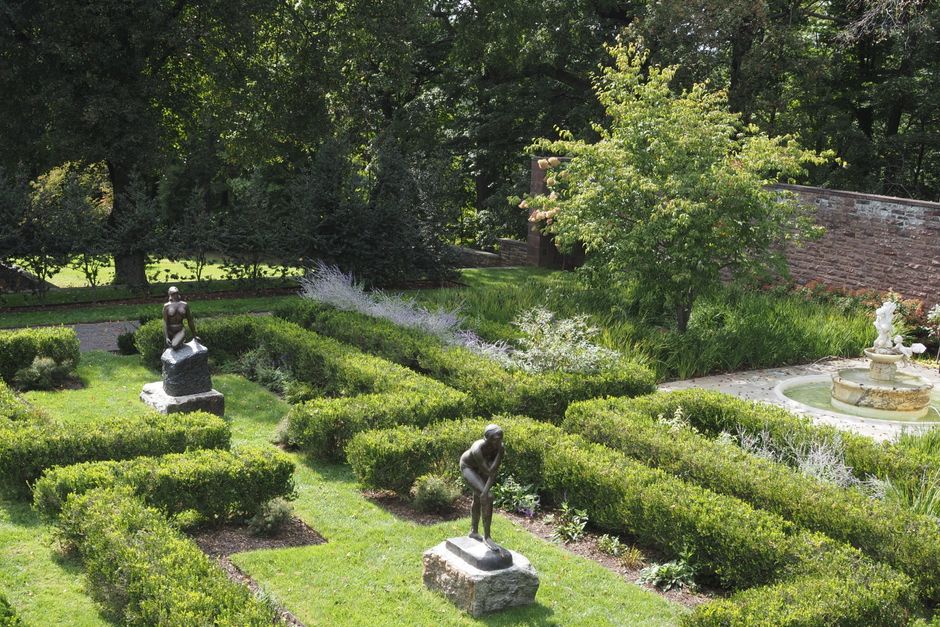
6. Musée national Gustave Moreau — 14 Rue de la Rochefoucauld, 75009 Paris
Address: 14 Rue de la Rochefoucauld, 75009 Paris. Hours: Tuesday–Saturday 10:00–17:30, closed Sunday and Monday. Price: full price ~€6 (very affordable).
Housed in the preserved studio-home of symbolist painter Gustave Moreau, the museum immerses you in his dreamlike world: canvases, drawings, sketches and the intact studio. Walls are covered with delicately detailed works and mythological motifs; the hushed atmosphere invites long, focused looking. The building itself is a fine example of a preserved artist’s atelier.
Local tips: visit mid-morning on a weekday outside of weekends for the quietest experience. The Pigalle area and Rue des Martyrs offer many dining options afterward.
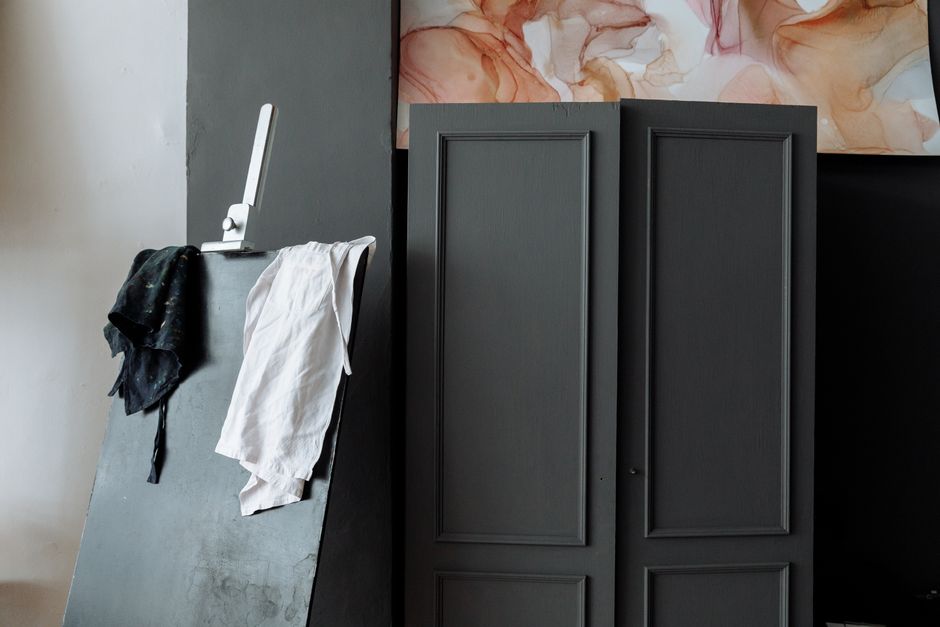
7. Musée Cognacq-Jay — 8 Rue Elzévir, 75003 Paris
Address: 8 Rue Elzévir, 75003 Paris (Hôtel Donon). Hours: Wednesday–Monday 10:00–18:00 (closed Tuesday). Price: full price ~€8; free on the first Sunday of the month.
This Marais museum is a jewel of 18th-century art: paintings, furniture, art objects and table services displayed within beautifully preserved apartments. The private feel restores the spirit of the collection founded by Ernest Cognacq and Marie-Louise Jay. The small rooms flow one into another without the crush, offering an intimate, coherent route.
Local tips: combine the visit with a wander around the Marais, especially nearby Place des Vosges. The best times are at opening or late afternoon to avoid school groups.
8. Musée Cernuschi — 7 Avenue Velasquez, 75008 Paris
Address: 7 Avenue Velasquez, 75008 Paris. Hours: Tuesday–Sunday 10:00–18:00, closed Monday. Price: full price ~€10; permanent collections often available at reduced rates on certain days.
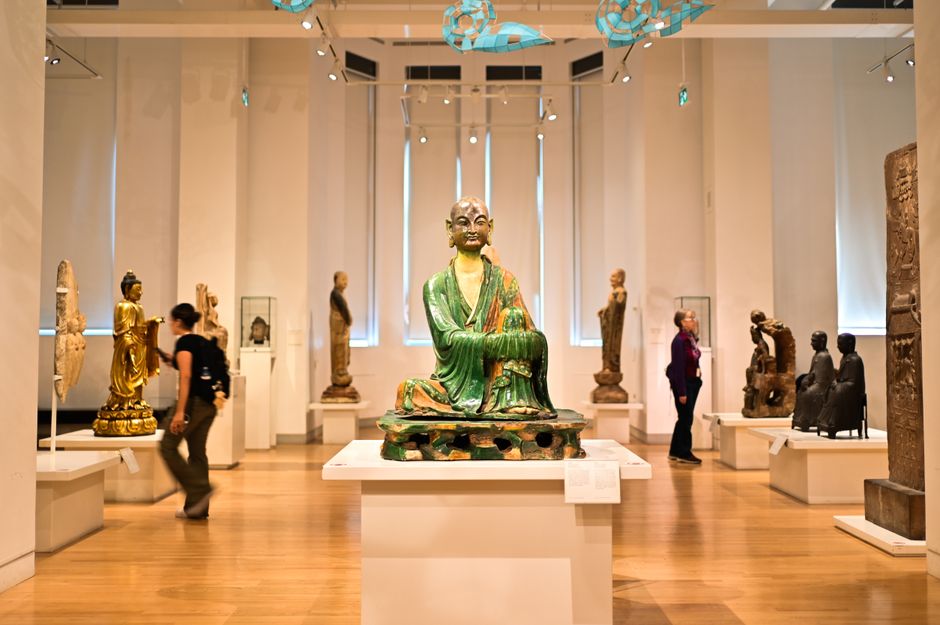
Specializing in Asian art, the Musée Cernuschi showcases bronzes, ceramics, paintings and sculptures from the Far East. Housed in a house-museum overlooking Parc Monceau, it’s a lovely setting: bright volumes, sober hangings and many historic pieces. It’s the perfect spot if you want a total change of atmosphere after European art.
Local tips: visit in the morning and finish your trip with a stroll through Parc Monceau. The nearby Rue du Faubourg-Saint-Honoré also makes for a quality shopping detour.
9. Musée de la Vie Romantique — 16 Rue Chaptal, 75009 Paris
Address: 16 Rue Chaptal, 75009 Paris. Hours: Tuesday–Sunday 10:00–18:00, closed Monday. Price: free entry for the permanent collection, temporary exhibitions ~€7.
Set in the house of writer Ary Scheffer, this museum recreates the Romantic 19th-century atmosphere with portraits, furniture and mementos of George Sand and other artists. The garden-cafe is a charming bonus: a quiet courtyard where you can sit after the visit. The space is very accessible and will delight fans of literature and cultural history.
Local tips: mornings are the least busy; the garden is perfect for a light brunch after your visit. Metro: Pigalle (line 2) or Saint-Georges (line 12).
10. Musée de la Préfecture de Police — 4 Rue de la Montagne Sainte-Geneviève, 75005 Paris
Address: 4 Rue de la Montagne Sainte-Geneviève, 75005 Paris. Hours: visits generally by appointment or on limited hours (check online); open some Wednesdays and Saturdays 10:00–17:00. Price: voluntary contribution or symbolic fee ~€5 depending on the event.
Less known to the general public, this museum traces the history of the Paris police: documents, uniforms, historic case objects and archive reconstructions. The museography is detailed and helps understand the evolution of institutions and investigative techniques. The interest lies in rare objects and well-researched explanatory panels.
Local tips: check the Préfecture’s official website to book your slot; favor guided visits to access areas that are normally closed. Metro: Maubert–Mutualité (line 10) or Saint-Michel (RER B).
Conclusion — How to optimize your visits and build a no-queue itinerary
These ten Paris museums offer an appealing alternative to overcrowded institutions. To optimize your days: schedule visits in the early morning or late afternoon, avoid weekends when possible, and always check official sites for temporary exhibition hours and exceptional closures. Most of these venues offer reduced rates (youth, students, teachers) and free days (first Sunday of the month, heritage days) — remember to bring ID to qualify.
Create themed routes: an afternoon of « sculpture » with Zadkine and Bourdelle, a day of « 18th-century interiors » combining Cognacq-Jay and Jacquemart-André, or a concentrated « Impressionism morning » at the Marmottan followed by a stroll in the Bois de Boulogne. Make the most of neighborhoods: the Marais for Cognacq-Jay and the Hunting & Nature Museum, Saint-Germain for Zadkine and Gustave Moreau, Parc Monceau for Cernuschi and Jacquemart-André.
Finally, embrace slowness: these museums reward prolonged observation. Bring a notebook to jot down a work, have a coffee in the gardens, and let yourself be surprised by rooms you might have missed in larger venues. Encounters with curators or mediators are more common in these places and can turn a simple visit into a real informal masterclass.
By following these tips and choosing a few of these gems according to your interests, you’ll enjoy a rich cultural experience without the fatigue of queues and crowds. Paris remains a museum-sized city when you know where to look: these ten addresses are an ideal doorway to a more intimate, local and often more memorable discovery of the capital.