



Introduction — Understanding Parisian Weather to Plan Your Perfect Trip
Paris is a city that charms year-round, but its vibe shifts with the weather. Knowing the city’s climate isn’t just about comfort: it’s the secret to picking the best days for a museum visit, booking a river cruise, reserving a sunny terrace table, or simply wandering the gardens. Paris has a temperate oceanic climate with nuances: cool, damp winters; mild summers that can occasionally be sweltering; and changeable springs and autumns that alternate sunny stretches with quick showers. That variability can turn a stroll through Montmartre into a bucolic escape or an impromptu umbrella rendezvous.
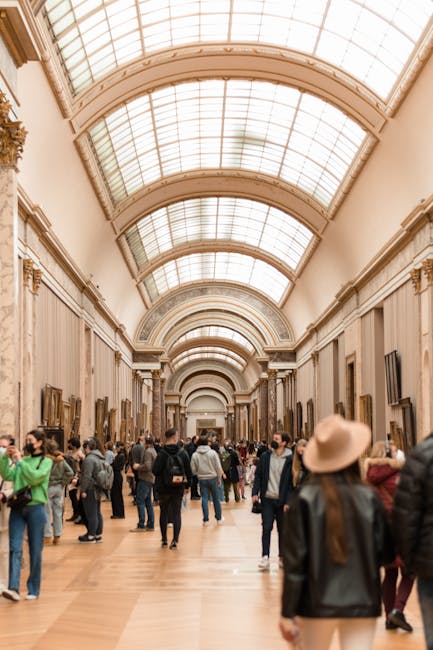
Planning a trip to Paris therefore means anticipating clothing, activities, and timing. For example, if you want to fully enjoy the Jardin du Luxembourg (Rue de Médicis and Rue de Vaugirard, 75006 Paris), a sunny afternoon is perfect: those green chairs lined up facing the flowerbeds, the bookstalls that close earlier in winter, and the flower market buzzing in spring. Conversely, visiting the Louvre Museum (Rue de Rivoli, 75001 Paris) is an excellent option on a rainy day — general admission starts at €17 online and the museum is generally open from 9am to 6pm, closed on Tuesdays (check official hours before you go).
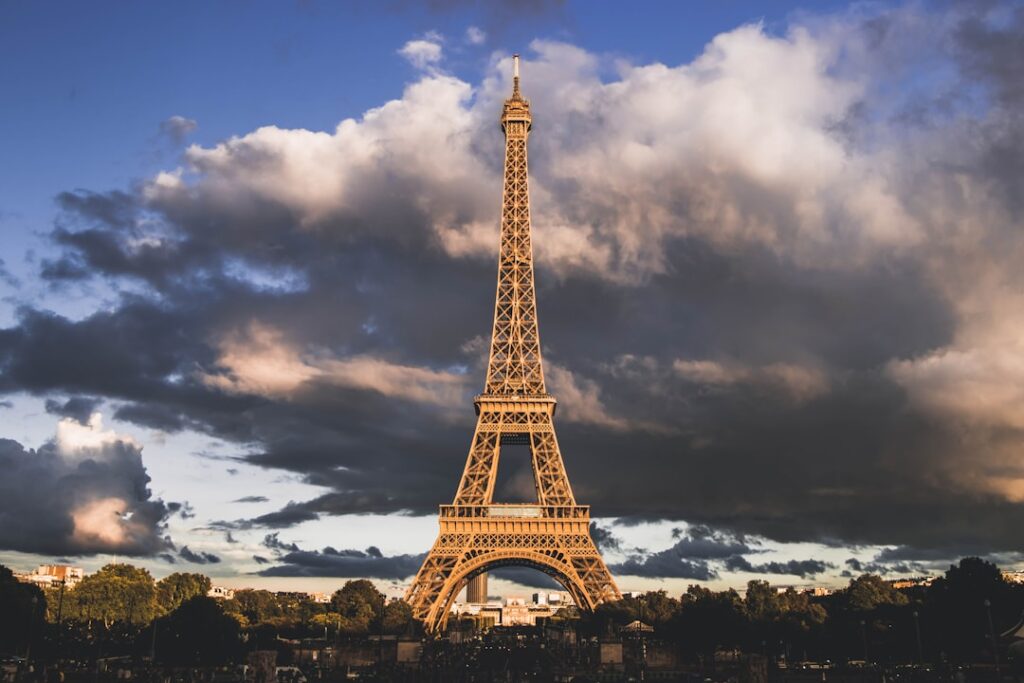
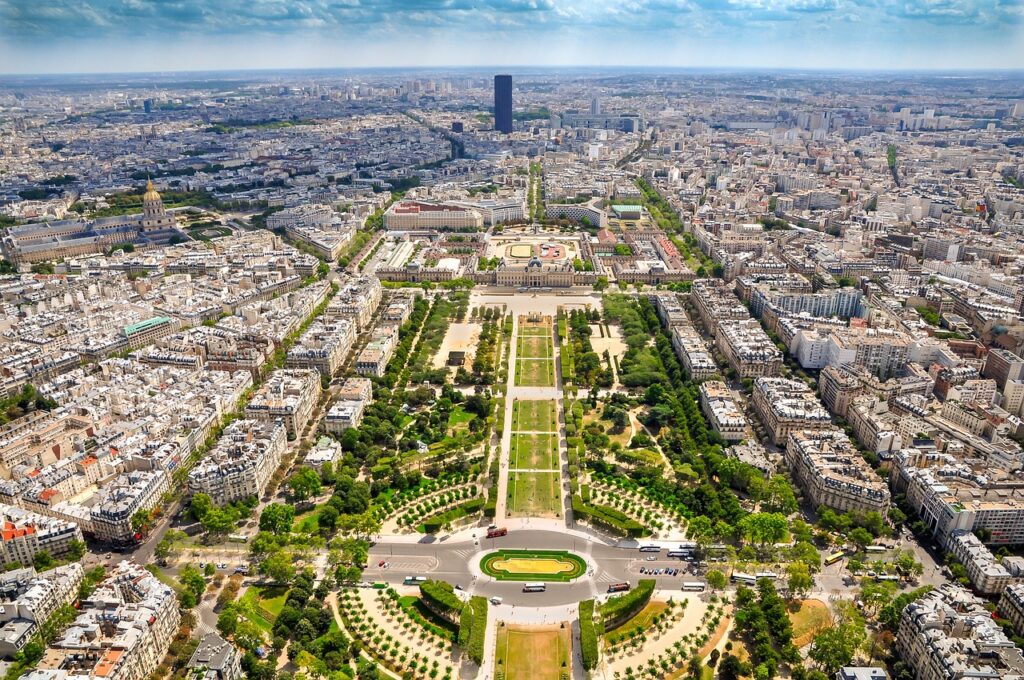
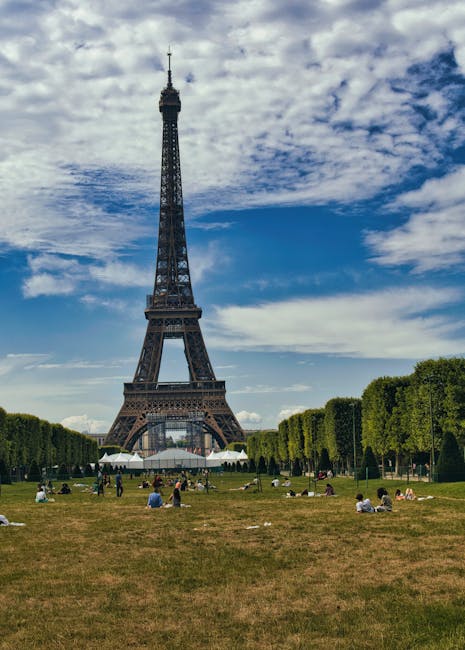
In this detailed guide you’ll find not only a complete seasonal breakdown but also exact addresses, typical opening hours, prices in euros, and local tips to make the most of every type of weather. We’ll point out where to take shelter if it rains (museums, historic cafés like the Café de Flore, 172 Boulevard Saint-Germain, 75006 Paris, open daily from 7:30am to 1am — espresso around €3.50), and which spots to favor when the sky is clear (walking along the Seine, panoramic views from the Eiffel Tower, Champ de Mars, 5 Avenue Anatole France, 75007 Paris — summit tickets for adults from €28.50 depending on access). We’ll also share practical hacks: reliable local weather apps (Météo-France), seasonal opening-hour quirks, and how to avoid crowds on nice days or long lines when it rains.
1) Understanding Seasons and Temperatures in Paris
Paris experiences four distinct seasons, though transitions can be gradual or sudden. Winters (December to February) are generally cool: average temperatures range from 0 °C to 7 °C. Snowfall is uncommon but possible; the city rarely becomes impassable, but the damp cold is noticeable, especially near the Seine and in wind-exposed passages. Museums and cafés make lovely refuges: the Musée d’Orsay (1 Rue de la Légion d’Honneur, 75007 Paris) is open from 9:30am to 6pm (late opening on Thursdays until 9:45pm), with full-price tickets often around €16. Cold days are perfect for exploring this former train station turned Impressionist treasure.
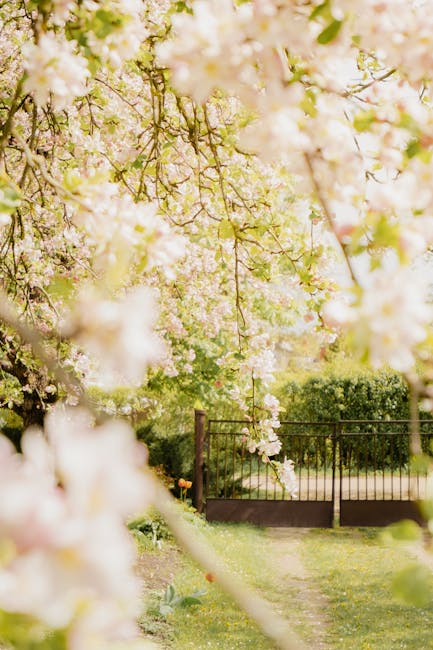
Spring (March to May) is one of the best times to visit Paris: gardens (Tuileries Garden, Place de la Concorde; Jardin du Luxembourg, Rue de Médicis, 75006) come back to life, outdoor markets buzz, and the weather gives long sunny stretches broken by short showers. Temperatures usually range from 8 °C to 18 °C, with chilly mornings. It’s a great moment to enjoy terraces as soon as a sunbeam appears. Off-season rates can be more reasonable and the city less crowded than in summer.
Summer (June to August) is warm, with heatwaves possible: temperatures can exceed 30 °C. Parisians head to the riverbanks, parks, and public pools. Many outdoor activities, like sightseeing cruises with the Bateaux Mouches (Port de la Conférence, Pont de l’Alma, 75008 Paris — one-hour cruises from around €14 for adults, schedules vary by season), are in full swing. However, more tourists mean longer lines at attractions. Book ahead: the climb to the Eiffel Tower is especially busy (summit adult tickets from €28.50, stair access is cheaper — check official time slots).
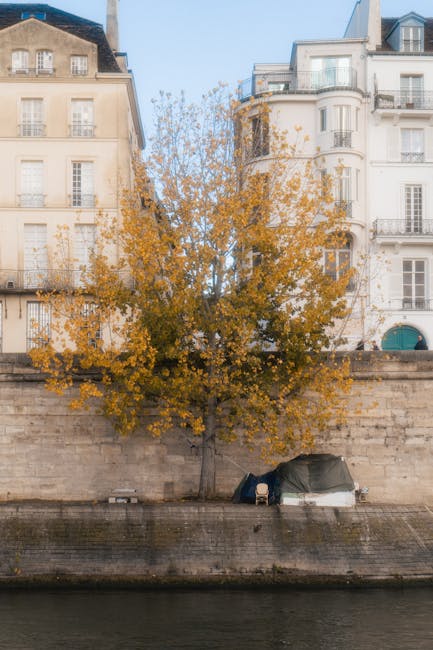
Autumn (September to November) brings warm shades through park paths and boulevard trees. Temperatures drop gradually (between 6 °C and 18 °C), and rain becomes more frequent. It’s a great season for temporary exhibitions: the Centre Pompidou (Place Georges-Pompidou, 75004 Paris) often hosts major retrospectives — general admission around €15, open from 11am to 9pm, closed on Tuesdays). Tourist numbers ease a bit after September, making museum visits more relaxed.
2) Weather-by-season: Recommended Activities and Places to Favor
Each season calls for different choices. Here are practical suggestions and exact addresses to help you make the most of your stay depending on the weather.
If you visit Paris in winter, favor indoor activities in the morning and strolls in the afternoon when temperatures often rise a little. Must-see museums: the Louvre Museum (Rue de Rivoli, 75001 Paris — online tickets from €17, open 9am to 6pm, closed on Tuesdays), the Musée d’Orsay (see hours above). For a cozy break, head to the Café de Flore (172 Boulevard Saint-Germain, 75006 Paris) or Les Deux Magots (6 Place Saint-Germain des Prés, 75006 Paris) — perfect for a hot chocolate (≈ €6–8) and literary atmosphere. Covered markets like the Marché couvert Saint-Quentin (85 bis Boulevard de Magenta, 75010 Paris) are perfect for sampling local products out of the weather.
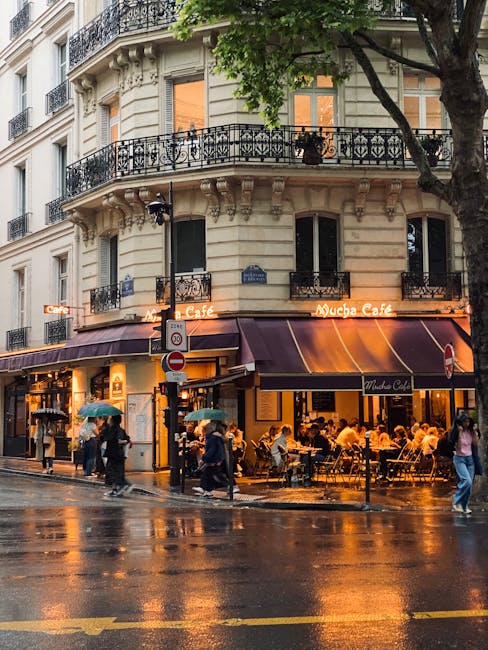
In spring, plan days that alternate between parks and museums: a morning at the Marché aux Fleurs et aux Oiseaux (Place Louis Lépine, Île de la Cité, 75004 Paris), a stroll around Île de la Cité, then an afternoon at the Musée Carnavalet (16 Rue des Francs Bourgeois, 75003 Paris — free or variable admission) to learn Paris’s history. Book a terrace table for lunch — for example, Le Procope (13 Rue de l’Ancienne Comédie, 75006 Paris), open from 11:30am to 1am, offers traditional dishes (mains ≈ €18–25).
In summer, schedule cooler activities during the hottest hours: early-morning monument visits (Eiffel Tower, try to go up at dawn), an outdoor pool visit (Piscine Joséphine Baker, Quai François Mauriac, 75013 Paris — entry about €4–6 depending on rate), or an evening Seine cruise. Book skip-the-line tickets for major museums and use public transport early or late to avoid crowds. Public gardens like the Parc des Buttes-Chaumont (1 Rue Botzaris, 75019 Paris) offer shaded areas and lovely viewpoints.
In autumn, take advantage of golden light in the mornings and late afternoons for unforgettable photos: walk along the quays between Pont Neuf (Place du Pont Neuf, 75001 Paris) and Île Saint-Louis (Rue Saint-Louis en l’Île, 75004 Paris). For indoor options, the Grand Palais (3 Avenue du Général Eisenhower, 75008 Paris) or contemporary shows at the Palais de Tokyo (13 Avenue du Président Wilson, 75116 Paris) offer strong programming.
3) Practical Tips: Accommodation, Transport, Bookings and Weather Apps
Picking the right neighborhood with the climate in mind is crucial. For damp winters, a well-heated apartment in the 6th (Saint-Germain-des-Prés) or 7th (Eiffel Tower / Musée d’Orsay) gives comfort and proximity to museums. If you’re after long summer evenings, the 11th (Bastille, Oberkampf) and the Marais (3rd/4th) offer plenty of cafés and bars with terraces. Recommended hotels with addresses: Hôtel Le Meurice (228 Rue de Rivoli, 75001 Paris — luxury, variable), Hôtel Les Jardins du Luxembourg (19 Rue de Médicis, 75006 Paris — comfortable, close to the gardens).
Transport: the RATP network (metro, bus, RER) runs year-round and remains the best way to avoid the elements. A Mobilis pass or a carnet of 10 tickets (≈ €18.90) is handy for short stays. Between airports, the RER B links Charles de Gaulle Airport to Gare du Nord (count on about €10.30). For late-night trips, taxis and ride-hailing services are a safe option — minimum pickup around €7–10 depending on the ride.
Bookings and timing: for major sights (Louvre, Orsay, Eiffel Tower), book online and aim for morning time slots to beat the crowds. Popular restaurants like Le Jules Verne (Eiffel Tower, Avenue Gustave Eiffel, 75007 Paris — fine dining, menus costing several dozen euros) require weeks of advance notice in peak season. Local guides recommend arriving 30 minutes before your slot for security checks and allowing extra time on rainy days.
Reliable weather apps and sources: check Météo-France (website and app), AccuWeather, and Weather Pro for hourly forecasts. Heatwave or freezing rain alerts are issued via Météo-France. Local tip: also check live webcams (for example the Eiffel Tower cam) to see the sky before heading out.
4) What to Pack and Backup Activities Based on the Weather
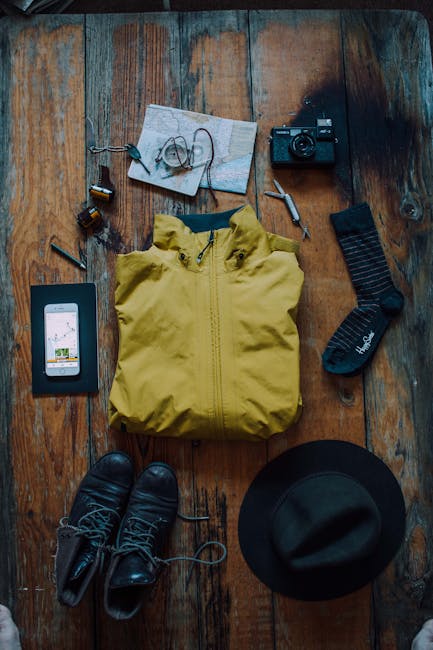
A well-packed bag will save you unnecessary expenses. Here’s a checklist tailored to Parisian weather swings:
- Layered clothing: t-shirts, light sweaters, and a waterproof/windproof jacket. Mornings can be cool even in summer.
- Compact umbrella: essential in spring and autumn. Shop prices ≈ €10–30.
- Comfortable, water-resistant shoes: cobblestones and wet conditions call for grippy soles.
- Sunscreen and a hat: for summer heatwaves and long terrace days.
- European plug adapter and an external battery for your phone — handy for checking forecasts and maps.
Backup activities (rain or cold): museums (Louvre, Musée d’Orsay, Centre Pompidou), libraries (Bibliothèque François-Mitterrand, Quai François Mauriac, 75013), covered passages (Galerie Vivienne, 4 Rue des Petits Champs, 75002 — architectural gems and small shops), and large department stores like Galeries Lafayette (40 Boulevard Haussmann, 75009 Paris — stunning dome, open 10am to 8pm, sometimes late-night) for indoor shopping. For a sheltered gastronomic experience, book a table at a bistronomy spot: Le Comptoir du Relais (9 Carrefour de l’Odéon, 75006 Paris — reservations recommended).
Outdoor activities for nice weather: Vélib’ bike rentals (stations throughout the city, daily pass from about €5), picnics on the Champ de Mars lawn facing the Eiffel Tower, cycling along the now largely pedestrianized Seine banks, and open-air markets like the Marché d’Aligre (Place d’Aligre, 75012 Paris) for fresh produce and a local atmosphere.
Conclusion — Tailor Your Trip to the Weather to Experience Paris Fully
Understanding Parisian weather and adapting your plans accordingly can turn a so-so visit into a memorable one. Paris is just as enjoyable under a brilliant blue sky as it is in a romantic drizzle: every condition brings unique possibilities. By planning wisely — booking museums for rainy days, favoring terraces and morning walks when it’s sunny, and packing versatile gear — you’ll maximize comfort and enjoyment. The key spots mentioned in this guide are reliable anchors: the Louvre Museum (Rue de Rivoli, 75001 Paris), the Musée d’Orsay (1 Rue de la Légion d’Honneur, 75007 Paris), the Café de Flore (172 Boulevard Saint-Germain, 75006 Paris), the Eiffel Tower (Champ de Mars, 5 Avenue Anatole France, 75007 Paris) and the Bateaux Mouches cruises (Port de la Conférence, Pont de l’Alma, 75008 Paris) are great choices whatever the weather.
Don’t forget the practicalities: check Météo-France for alerts, book must-see activities in advance, favor public transport to avoid being caught off-guard by weather changes, and pack modular clothing. Finally, embrace the Parisian mindset: a rainy day can be the perfect excuse to try a legendary pastry, duck into a covered passage, or discover an intimate exhibition. Paris is a city of contrasts and charming surprises: plan well, but leave room for spontaneity — that’s often where the best memories are made.