



Introduction: Visas and entry checks in Paris — step-by-step arrival prep
Landing in Paris usually comes with a big dose of excitement: the first glimpse of the city from the plane, taxis circling the terminals, and the promise of a cultural, work-related, or family visit. But before you set foot on the tarmac and wander toward the Seine, it’s crucial to understand the visa rules, border controls and customs procedures that govern entry into France. This comprehensive guide is aimed at travelers of all kinds — tourists, students, business visitors, short-term residents or transit passengers — who want a clear picture of what to expect when arriving in Paris, whether at Paris-Charles-de-Gaulle (CDG, Roissy), Paris-Orly, or secondary airports serving the capital like Beauvais-Tillé.
We’ll walk you through the different visa types (short-stay Schengen visas, long-stay visas, work visas, student visas), arrival procedures at the airport (passport checks, PARAFE biometric eGates, interventions by Border Police), and customs and health rules (declaring large sums of cash, duty-free allowances, VAT refunds for purchases made outside the EU). You’ll also find practical info on queues, useful Paris addresses for emergency procedures (prefecture, embassies, customs offices), typical fees and opening hours for key services. By the time you finish reading, you’ll know exactly which documents to prepare, how to behave during checks, and how to react in case of an incident or lost papers.
This guide includes tried-and-true local tips: which terminals to favor for transport from CDG, how to speed up your customs process, which forms to keep handy, and where to validate a long-stay VLS-TS visa (ANEF validation). We also cover the tech prerequisites — for example, how to register or check online procedures (ETIAS for some non-EU nationals, the ANEF portal for long-stay visa validation) — and remind you of your rights and obligations on entering France. Yes, France is part of the Schengen Area, which simplifies things a lot for European travelers, but many specific rules apply to non-EU visitors, particularly around taxation, cash declaration and VAT refunds.
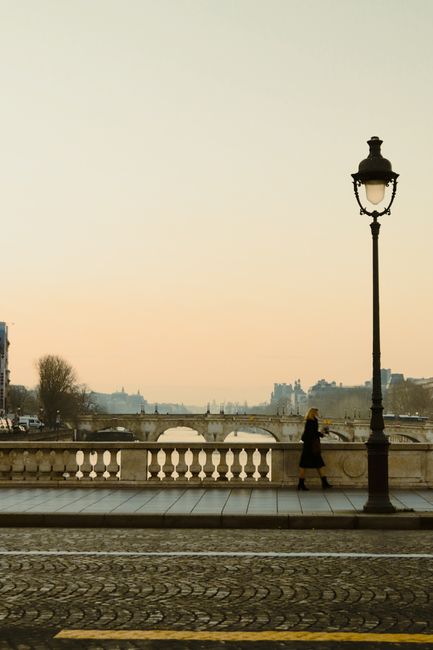
Finally, the guide is designed to help both planners and last-minute arrivals: we provide exact addresses (Police Prefecture, customs offices), usual opening hours, official rates (visa fees, ETIAS costs, minimum VAT-refund thresholds), and concrete scenarios (transit without leaving the international zone, procedure in case of a lost passport, or refusal of entry). We’ve also inserted visual markers  at the most evocative spots to help orient your movements and landmarks around the capital. Take the time to read carefully: a well-prepared arrival will help you avoid stress, endless lines and administrative headaches. Safe travels — and welcome to Paris!
1) Visa types and procedures before you land
Before you book your flight, identify the right visa for your trip. For France, the main categories are the short-stay Schengen visa (type C) and the national long-stay visa (type D). These categories involve different procedures, required documents and fees. Here’s a clear overview:
Short-stay (Schengen) visa — tourism, family visits, short business trips
– Official name: Schengen short-stay visa (type C).
– Maximum length: 90 days within any 180-day period.
– Fees: €80.00 for adults (standard rate), €40.00 for children aged 6–12; free for children under 6. These fees apply at the time of application and may change; check with the French consulate in your country for confirmation.
– Procedure: book an appointment at the visa application center authorized by the consulate (e.g., VFS Global, TLScontact depending on your country), assemble your dossier (passport valid at least 3 months beyond your planned departure date, passport photos meeting the requirements, proof of accommodation, proof of sufficient funds, travel insurance covering at least €30,000 for medical expenses and repatriation).
– Processing time: typically 15 calendar days, but allow 3–4 weeks during busy periods or if additional documents are requested.
– Note: this visa does not permit paid work in France.
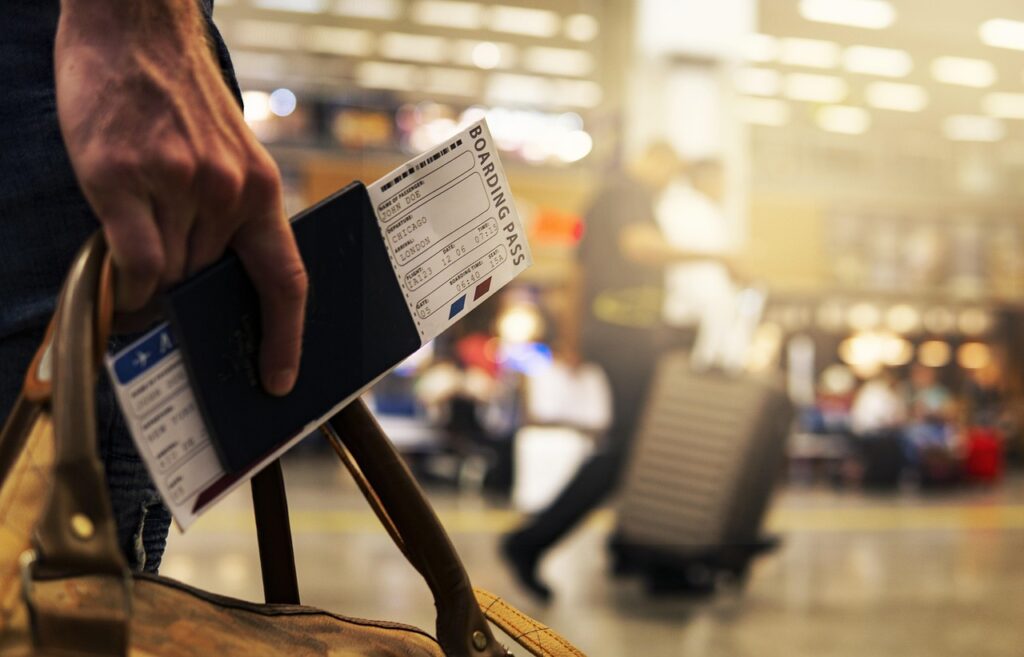
Practical tip: keep both paper and digital copies of the visa approval and the visa page stuck in your passport; airport officers may ask to see proof of your reason for travel (hotel bookings, invitation letters).
Long-stay visa (type D) — studies, work, family reunification, residence
– Official name: Long-stay visa (type D). This visa allows you to stay longer than 90 days and, depending on the reason, to take steps to obtain a residence permit.
– Fees: vary by purpose; in practice, a standard national long-stay visa often costs around €99.00 (check with the consulate, some categories may be exempt).
– Procedure: submit your application to the French consulate responsible for your place of residence, with documents specific to your purpose (employment contract, university enrollment agreement, marriage certificate for family reunification, etc.).
– VLS-TS validation: if you receive a Long-Stay Visa Serving as a Residence Permit (VLS-TS), you must validate it online via the ANEF portal (electronic visas). Deadline: within three months of arrival in France. The ANEF validation page is available through the official Ministry of the Interior website (search for “ANEF validation VLS-TS”).
– Obligations: once validated, this visa may require a visit or appointment with the French Office for Immigration and Integration (OFII) in some cases (medical check, registration formalities).
Practical tip: print the ANEF confirmation after validation; you’ll need it for most administrative steps (opening a bank account, university registration, applying for a residence permit). If you run into problems, visit the Paris Police Prefecture: Préfecture de Police, 1 bis Rue de Lutèce, 75004 Paris — usual public information hours: Monday to Friday, 09:00–17:00 (check online before you go).
Specific authorizations and ETIAS (for certain nationals)
– ETIAS: The European Travel Information and Authorization System (ETIAS) is intended for certain nationals who currently travel visa-free within the Schengen Area. At the time of writing, ETIAS is planned to come into operation and will require an online application with a fee (expected fee: €7.00 for paying applicants, free for certain categories). Check the EU official website for the latest deployment status before you travel.
– Airport transit visa (type A): required for some nationals if they transit through the international zone without entering the Schengen Area. Apply via the consulates; fees can be similar to short-stay visa rates for some countries.
Practical tip: don’t confuse ETIAS with a visa waiver. If your nationality previously required a visa but ETIAS now applies, submit your ETIAS application several days before departure to avoid being denied boarding.
2) On arrival in Paris: border checks, steps and practical tips
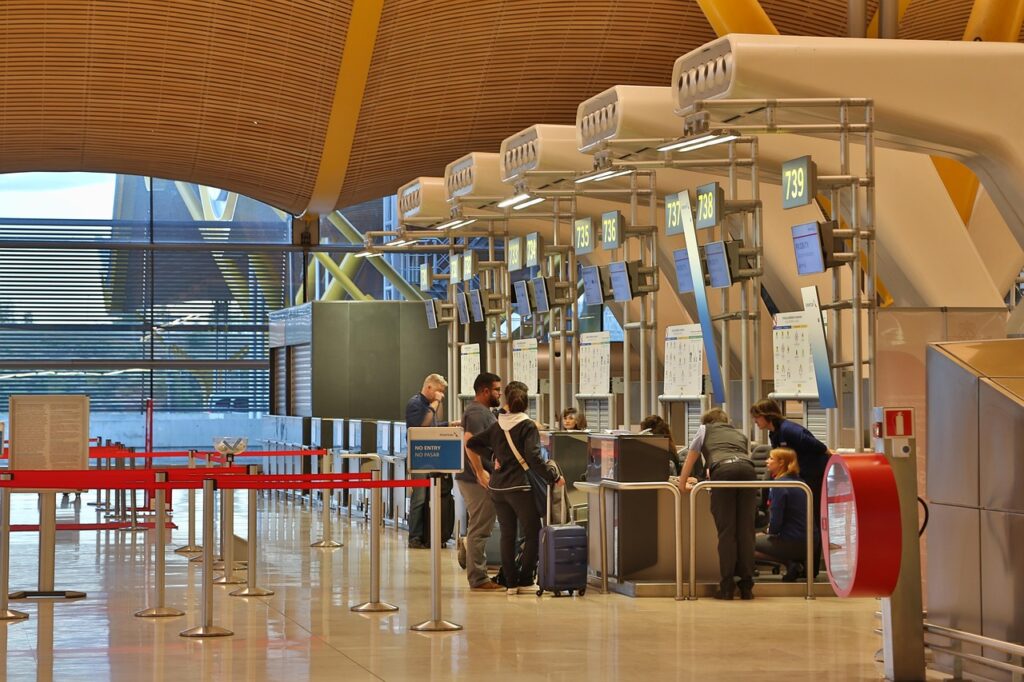
Whether you land at Paris-Charles-de-Gaulle (Paris-Charles-de-Gaulle Airport, 95700 Roissy-en-France), Paris-Orly (Paris-Orly Airport, 94390 Orly) or Beauvais-Tillé (Paris-Beauvais-Tillé Airport, 60000 Beauvais), the arrival process is generally the same: disembarkation, passport control (Border Police), baggage claim, customs (French Customs), then exit to the public area or onward transport. Here’s the breakdown and what to have ready.
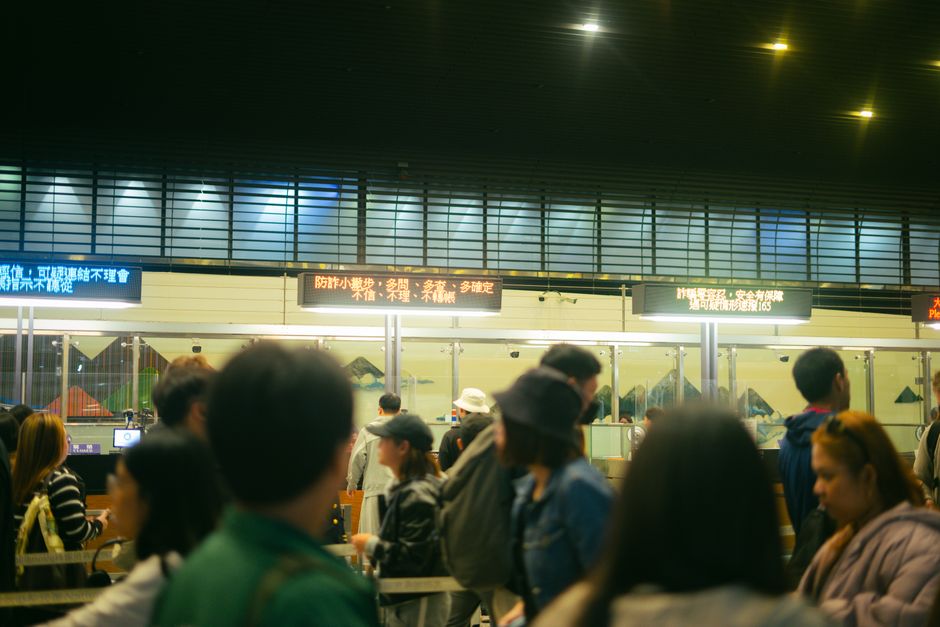
Passport control and biometric eGates
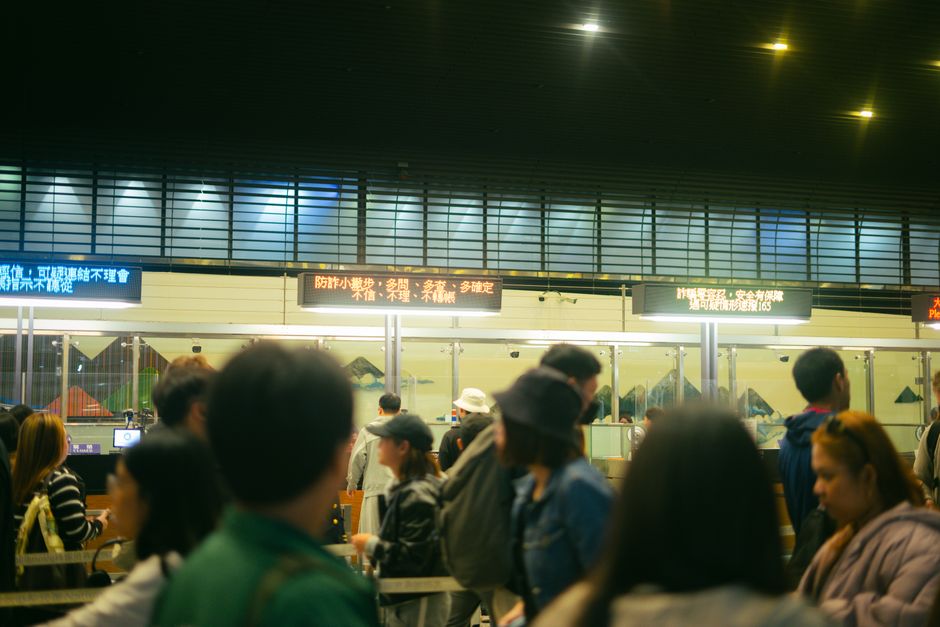
– Border Police (Police aux frontières – PAF): present in all major terminals. At Paris-Charles-de-Gaulle (terminals 1, 2A–2G, 3) the PAF operates 24/7 at international arrival points. At Paris-Orly, checks are also maintained 24/7. At Beauvais, controls operate in line with scheduled flights, often from 06:00 to 23:00 depending on the season.
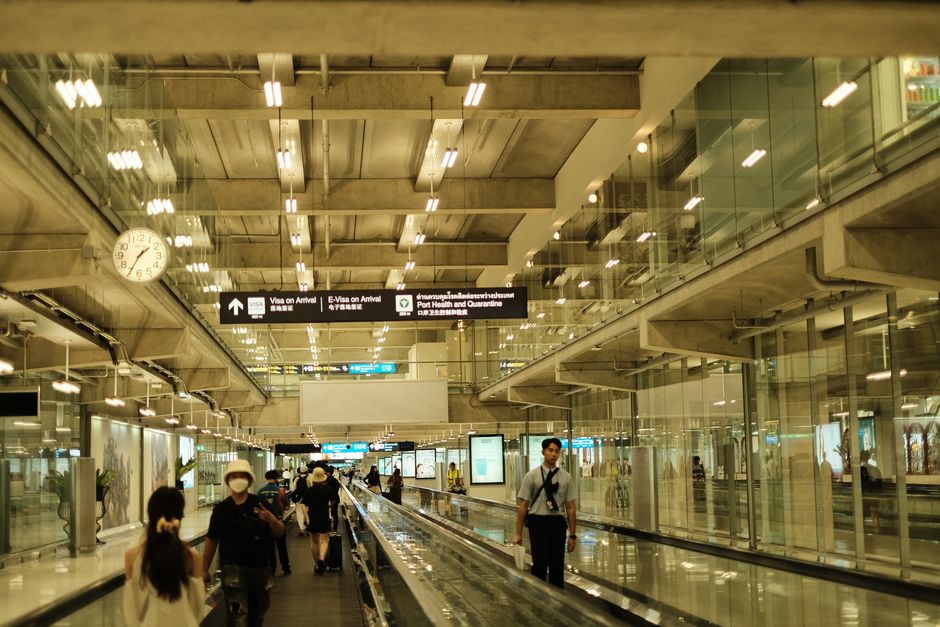
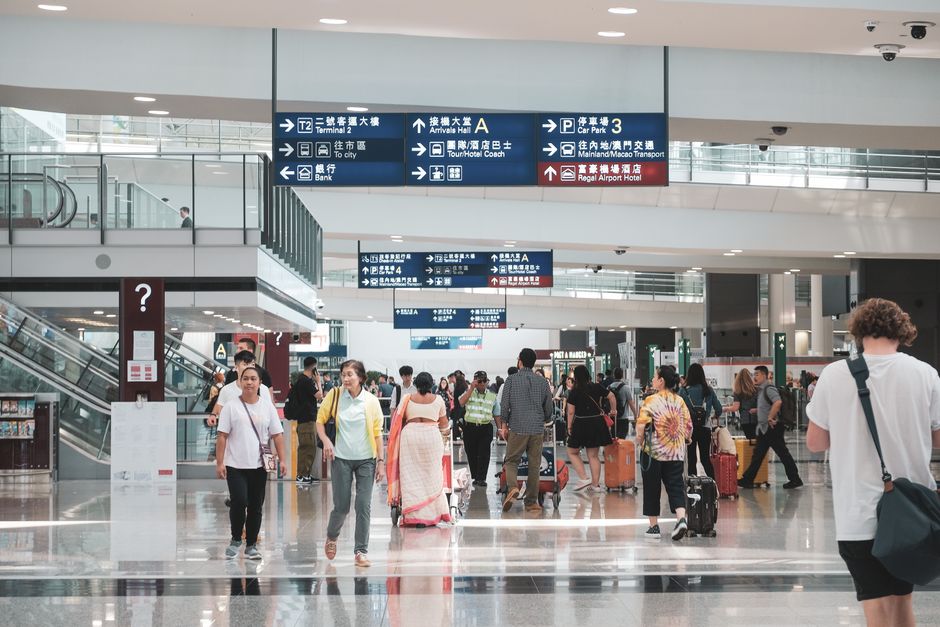
– PARAFE (automated eGates): automated gates that speed up passage for holders of biometric passports from EU/EEA/Switzerland and some other partner nationalities. PARAFE gates are located in main arrival halls (CDG Terminal 2E/2F, CDG Terminal 1, Orly 1-2-3, Orly 4). They run 24/7. You’ll scan your biometric passport and follow the on-screen instructions; a photo is sometimes taken for verification. Eligible travelers are encouraged to use PARAFE to save time, but if an error occurs, head to a PAF officer.
Practical tip: if you’re not eligible for PARAFE or you’re traveling with children who don’t have biometric passports, pick the “Visitors/All passports” line with the shortest wait, or ask a staff member where the “Family” lane is for faster processing. During peak times (mornings and evenings when long-haul flights arrive) waits can exceed 45 minutes; allow comfortable connection time between arrival and onward travel.
Baggage claim, declarations and Customs
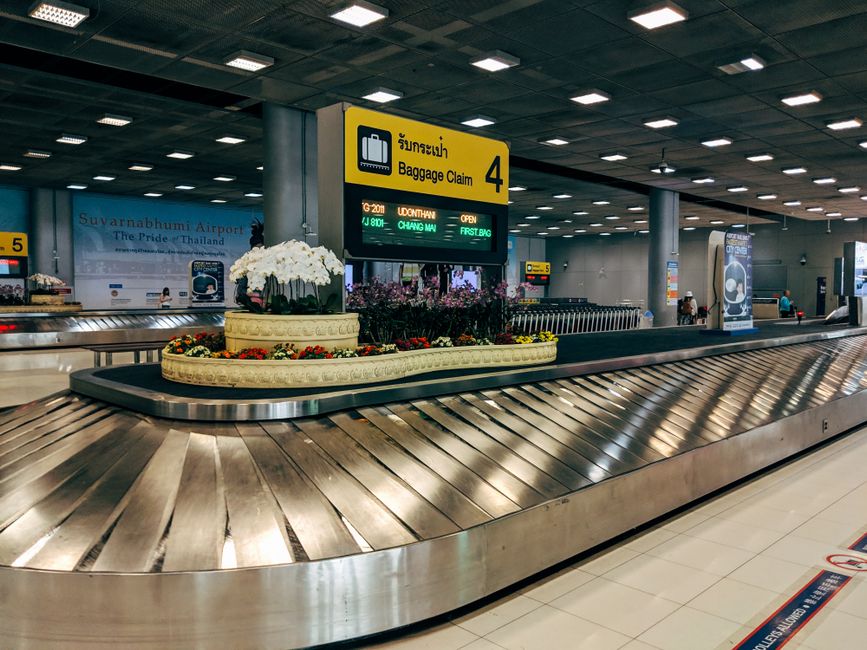
– Baggage claim: carousels are listed on the flight arrival screens. At CDG, carousels for international flights are grouped by Terminal 2 sub-sections (2A to 2G) or Terminal 1 depending on the carrier. Schengen flights often arrive at separate carousels. Baggage belt timing varies by disembarkation; expect at least 15–30 minutes to retrieve luggage on a long-haul flight.
– Customs (Directorate General of Customs and Indirect Taxes): “Green” (nothing to declare) and “Red” (goods to declare) lanes are clearly marked. Customs offices are open 7 days a week at major terminals and may carry out random checks. If you have goods to declare (amounts exceeding allowances, cash >€10,000 to declare), head to the “Red” lane and speak to an officer. Useful address: Customs Office, Paris-Charles-de-Gaulle Airport, 95700 Roissy-en-France (staff permanently present in arrival halls).
Common allowances for non-EU travelers (arriving by plane):
– Tobacco: 200 cigarettes OR 100 cigarillos OR 50 cigars OR 250 g of tobacco.
– Alcohol: 1 litre of spirits over 22% vol. OR 2 litres of beverages ≤22% vol., plus 4 litres of wine and 16 litres of beer.
– Other goods: allowance up to €430.00 if arriving by air (total value of purchases made outside the EU).
– Cash: mandatory declaration for any amount >= €10,000.00 (cash or equivalent instruments) entering or leaving the European Union.
These rules may change: check the official French Customs page before you travel.
Practical tip: keep receipts for purchases (especially for VAT refunds), label your suitcases clearly and keep an easily accessible carry-on with essentials (passport, visa, connection tickets, proof of accommodation, copies of insurance). If questioned by customs, remaining calm and cooperative will usually speed up the process.
Additional checks: health and security
– Health checks: depending on the global health situation, France may require vaccination certificates, PCR/antigen tests or passenger locator forms. At arrival these checks are usually handled before boarding, but the Border Police or airport health staff may still verify documents. Keep certified copies of tests or vaccination certificates (both digital and paper).
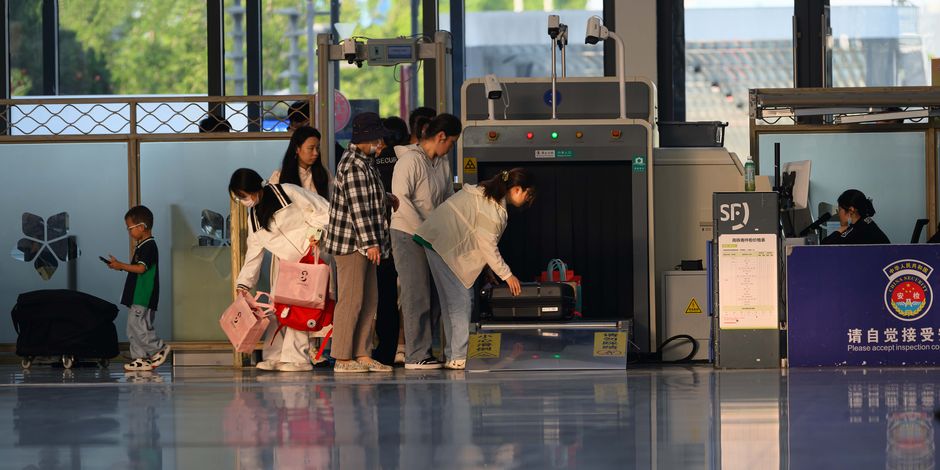
– Security and inspections: airport security services may inspect your luggage on arrival if anomalies are detected. Liquids, electronic devices and certain medical equipment may be subject to checks. Prohibited items (weapons, hazardous substances) will be confiscated.
Practical tip: before you leave, check official health guidance (French Ministry of Health or your country’s diplomatic site) and prepare a brief medical file if you take medication (prescription translated into English or French). That will help avoid complications during checks.
3) Customs, VAT refunds and currency rules: what to declare
French customs enforce strict rules on goods, VAT refunds and cash declarations. For travelers from outside the European Union, VAT refund (détaxe) is a way to reclaim VAT on purchases made in France, under certain conditions. Here are the rules and procedures to know before you land.
Which goods to declare and usual allowances
– €430.00 allowance: if you arrive by plane from a non-EU country, you can bring personal items and gifts up to a total value of €430.00 without paying additional duties or VAT. If the total value exceeds this amount, you must declare the goods and pay the corresponding duties.
– Tobacco and alcohol: see the limits listed earlier (200 cigarettes, 1 litre of spirits, etc.). Exceeding those limits requires declaration and taxation.
– Foodstuffs: some products (meat, dairy, plants, etc.) may be prohibited from certain countries; check EU regulations to avoid confiscation.
Practical tip: when buying expensive items (watches, electronics, jewelry) keep packaging and receipts and carry them in your hand luggage. Present them to customs if asked to prove the purchase was made in France (this makes the VAT-refund process smoother).
VAT refund (détaxe) — eligibility and procedure
– Eligibility: be a resident of a non-EU country, make purchases of €100.01 or more (including VAT) in the same store, and request a VAT refund form at the time of purchase.
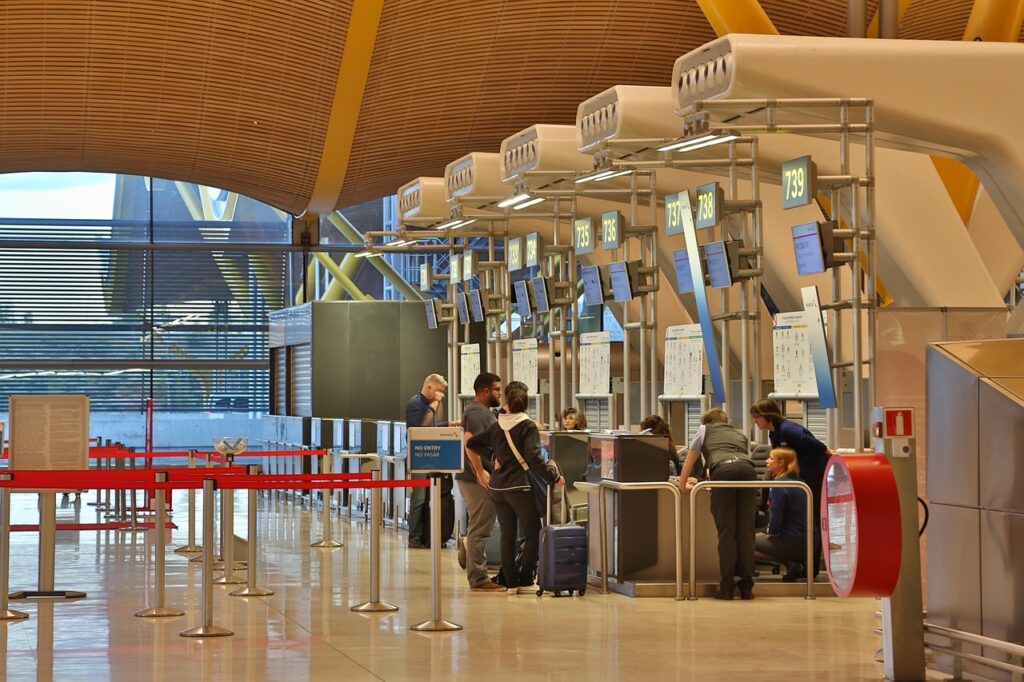
– Procedure: ask the retailer for the tax-free form (Global Blue, Planet or other), present the unused goods at airport control, have the form validated by customs before check-in (or, if you’ve already checked bags, before handing them over at the check-in desk), then collect the refund at the appropriate refund desk (cash withdrawal or card refund). Refund points are usually open between 05:00 and 22:00 in the international departure halls of major airports; times vary by operator (Global Blue, Planet).
– Fees: VAT refund companies usually charge handling fees (roughly 10–30% of the refunded VAT). The final refund depends on the product’s VAT rate and the provider’s fees.
Practical tip: allow extra time for customs validation — at least an additional 30 minutes before boarding if you need tax-free forms stamped. Pack purchases in your hand luggage where possible so you can show them quickly.
Cash and declaration of funds
– Key rule: any cash amount equal to or greater than €10,000.00 (or equivalent in foreign currency) entering or leaving the EU must be declared to customs authorities. Failure to declare can lead to fines and seizure of funds.
– Where to declare: at the customs office in the airport (present in international arrival terminals).
– Procedure: complete the cash declaration form (form No. 121A or another official form), submit it to a customs officer who will give you a receipt.
Practical tip: use bank transfers for large sums instead of carrying large amounts in cash. If you must travel with more than €10,000.00, contact your bank and ask about the required procedures.
4) Practical scenarios: what to do if something goes wrong on arrival (lost passport, refusal of entry, lost luggage)
Even with perfect planning, unexpected issues can occur. It’s better to know in advance the steps to take and the essential contacts in Paris to quickly resolve the most common incidents: lost or stolen passport, refusal of entry, delayed or lost luggage, or the need for consular assistance.
Lost or stolen passport at the airport: immediate steps
– Report the loss/theft immediately to the Border Police (PAF) or national police inside the terminal. Police services are present 24/7 at major terminals.
– Contact your embassy or consulate in Paris to obtain an emergency travel document or laissez-passer to return home. Examples of embassy addresses:
– Embassy of the United States of America, 2 Avenue Gabriel, 75008 Paris.
– British Embassy Paris, 35 Rue du Faubourg Saint-Honoré, 75008 Paris.
– Consulate General of Canada in Paris, 130 Rue du Faubourg Saint-Honoré, 75008 Paris.
(Addresses vary by nationality; look up your consular representation before departure and note emergency phone numbers).
– Obtain a police report; this document is often required by the embassy to issue a return document.
Practical tip: scan or photograph your passport and email a copy to a trusted contact or yourself before leaving. Keep your embassy’s contact details saved offline.
Refusal of entry by Border Police
– Common causes: invalid/expired visa, missing documents, unclear reason for the stay, risk of irregular stay (e.g., intent to work without authorization), being on an exclusion list or administrative errors.
– Procedure: the PAF will draft a refusal of entry decision. Depending on the situation, the traveler may be offered return on the next available flight (at the carrier’s or traveler’s expense, depending on rules), or, in rare regulated cases, be placed in a temporary holding area for removal procedures.
– Recourse: contact your embassy immediately for consular assistance. If you believe the decision is an error, ask for a written copy of the decision and the stated reasons.
Practical tip: before boarding, check visa validity, ensure your stated purpose of travel matches your documents, and always carry tangible proof of the reason for your visit (invitations, assignment letters, enrollment confirmations).
Lost or delayed baggage
– Report the loss immediately to the Lost & Found desk or the airline’s service counter in the arrivals hall. Counters are usually open in line with flight schedules; at CDG many airlines keep a desk open until the last rotation.
– Fill out a PIR (Property Irregularity Report). Note the PIR number and keep it safe for claims.
– Compensation: international rules (Montreal Convention) provide compensation for delayed, lost or damaged baggage; the amount depends on circumstances and declarations made at check-in (declared value, additional options). Keep all receipts for related expenses (basic necessities, pharmacy purchases).
Practical tip: pack a small emergency kit in your carry-on — a change of clothes, basic toiletries, chargers and prescriptions — enough to cover a 48-hour delay.
5) Useful addresses and contacts in Paris
Here’s a list of useful addresses and practical information in Paris to help with formalities or administrative problems after you arrive. Note the opening hours provided but verify them online as they can change.
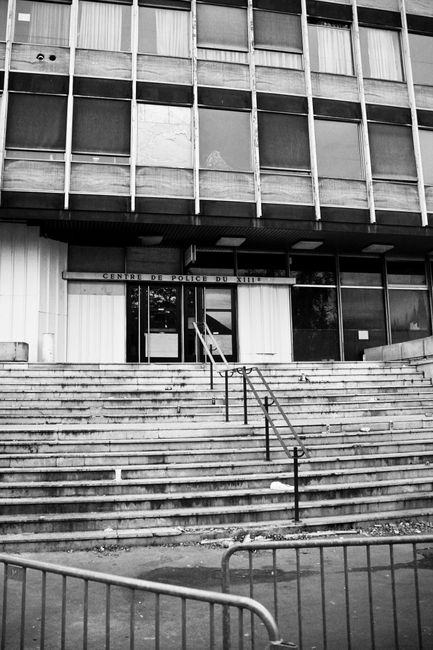
- Paris Police Prefecture — 1 bis Rue de Lutèce, 75004 Paris. Information for residence permits and formalities: usual public hours Monday to Friday 09:00–17:00. Tel.: check the Prefecture’s official website for the current phone number.
- French Office for Immigration and Integration (OFII) — regional offices and appointment booking online via the official OFII site. For medical visits and VLS-TS registration. Main address (if needed): 14 Rue de la Banque, 75002 Paris (confirm the local office address before you go).
- Regional Customs Directorate of Île-de-France — customs offices and officers are present at the airports: Paris-Charles-de-Gaulle Airport, 95700 Roissy-en-France (24/7 presence in international terminals); Paris-Orly Airport, 94390 Orly.
- Embassies and consulates — look up the address and emergency number of your diplomatic representation before departure. Examples: Embassy of the United States, 2 Avenue Gabriel, 75008 Paris; British Embassy, 35 Rue du Faubourg Saint-Honoré, 75008 Paris.
- Emergency medical services — SAMU: 15 (medical emergency); Police emergency: 17; Fire brigade: 18. European emergency number: 112.
Practical tip: save the contact details of at least two emergency contacts (family/friend) in your phone and on paper; also keep digital copies of essential documents (passport, visa, insurance) stored in a secure cloud.
Conclusion: leave well prepared for a stress-free arrival in Paris
Entering France and landing in Paris is an experience that, if well prepared, usually goes smoothly. The key elements for a successful arrival are simple: know the right type of visa, make sure all documents are valid (biometric passport if possible), have both printed and digital copies of essentials, anticipate the checks (PARAFE, PAF, Customs) and allow enough time between flights and arrival in Paris. This guide has given you the basics — visa fees (€80.00 for an adult Schengen visa; €40.00 for children 6–12; and notes on declarations and the €10,000.00 cash threshold) — as well as useful addresses (Police Prefecture, embassies, customs offices at airports) and practical tips to speed up procedures (use PARAFE, prepare VAT refund forms and supporting documents).
Be aware that some procedures can change: ETIAS, visa fees and health rules may be updated by European or national decisions. Before departure always check official sites (Ministry of the Interior, the French Embassy/Consulate in your country, French Customs, OFII) for the latest information. If a problem arises — lost passport, lost luggage, refusal of entry — there are clear procedures and services (Border Police, consular services) ready to help. Keep emergency numbers and your embassy address at hand.
A few final practical recommendations for a worry-free stay: arrive at the airport at least two hours before a Schengen flight and three hours before an intercontinental flight, keep a photocopy of your documents separate from your passport, and use online tools (ANEF for VLS-TS validation, tax refund operator apps) to save time. Paris is full of resources and generally helpful staff; the best preparation is to be informed, organized and patient. Have a great stay in Paris — may your arrival be smooth and the first hours in the capital set the tone for a wonderful trip.